



NASA says it will continue to accelerate its ambitious space exploration plans following the success of Artemis II.
On the evening of April 10th, four astronauts—Reid Wiseman, Victor Glover, Christina Koch, and Jeremy Hansen—landed in the waters off San Diego after a 10-day journey orbiting the Moon. This was the first crewed lunar mission since Apollo 17 in 1972.
The mission, launched on April 1st, is part of the Artemis program, following the success of Artemis I in late 2022. Despite positive results, NASA says this is just the beginning of a long-term plan.
According to an update announced in late February by NASA Administrator Jared Isaacman, the Artemis III mission will not land on the Moon as originally planned, but will operate in Earth orbit to test the connectivity between the Orion spacecraft and privately developed lunar rovers, including SpaceX's Starship and Blue Origin's Blue Moon. This mission is scheduled to launch in mid-2027.
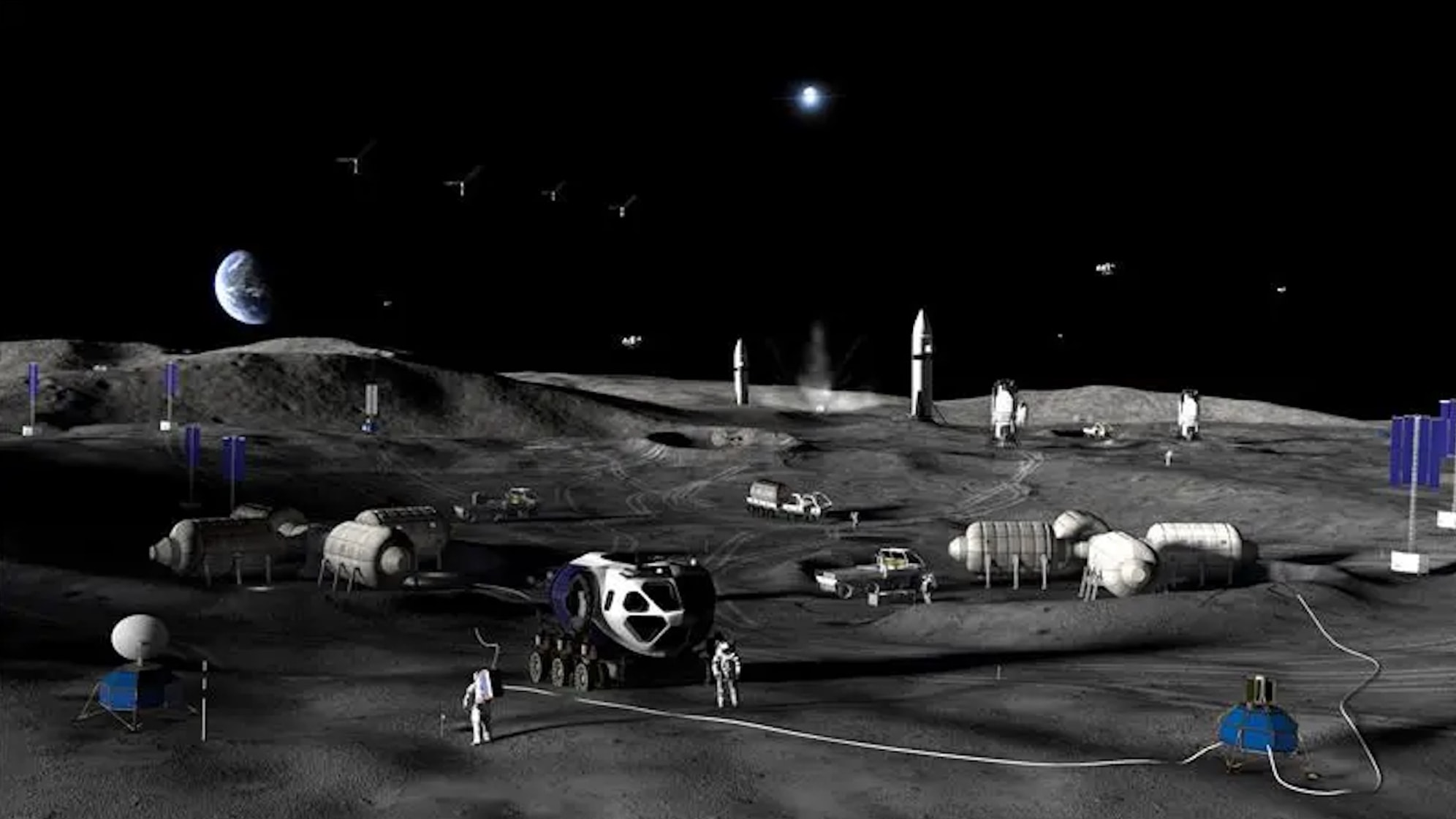
If all goes according to plan, Artemis IV will land astronauts near the Moon's south pole by the end of 2028. Further ahead, NASA aims to establish a permanent base on the Moon by 2032, serving as a springboard for missions to Mars.
At a press conference on April 7, Isaacman stated that NASA had held its first high-level discussion on the Artemis III mission design. Orbital options under consideration include low Earth orbit and high Earth orbit, each with different advantages and disadvantages, depending on the progress of the lander suppliers.
NASA Deputy Administrator Amit Kshatriya said that hardware preparations for Artemis III are being accelerated. Some parts of the Space Launch System rocket are already at the Kennedy Space Center, while other components will be shipped from the Michoud Assembly Facility this month.
However, the program still faces many technical challenges. The two HLS landers have not completed testing. Blue Moon has never flown, while Starship has only made 11 suborbital test flights and has not yet demonstrated the ability to refuel outside of Earth or operate life support systems.
Additionally, the Orion spacecraft also reported some issues with Artemis II, including helium leaks in the propulsion system and malfunctions in the toilet system. According to Kshatriya, these flaws are still within acceptable limits but may require design adjustments, especially for missions further into lunar orbit.
NASA says building a base on an extraterrestrial body is an unprecedented goal and will present many challenges. However, the agency believes current progress is promising, based on the success of Artemis I and Artemis II.
"This is just the beginning," Isaacman said after the spacecraft landed on the evening of April 10. "We will continue with more frequent missions until humans return to the Moon and begin building a base in 2028."