



Doctors believe that non-alcoholic fatty liver disease (NAFLD) is one of the fastest-growing lifestyle-related diseases today.
Don't be complacent if your weight and body shape don't change.
According to the Times of India, Dr. Amrapali Patil, an Indian nutrition and lifestyle consultant, says: "A common misconception is that liver disease only occurs due to alcohol. In reality , many factors unrelated to alcohol, including lifestyle habits and diet, can still negatively affect liver function."
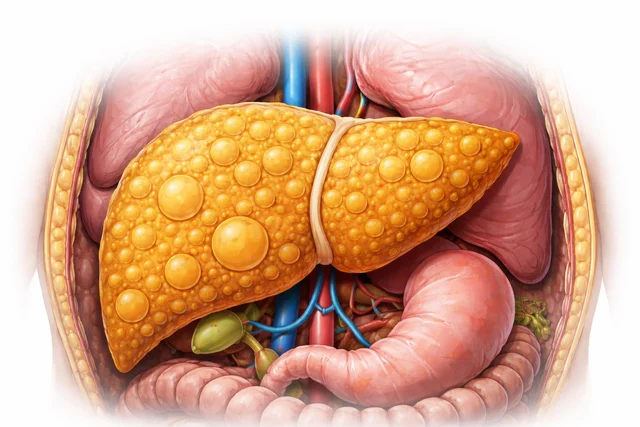
When overloaded, the liver begins to store fat instead of metabolizing it. PHOTO: N.Quyen created using Gemini
Refined flour, hidden sugars in food, packaged foods, frequent takeout... these are all factors that silently increase fat accumulation in the liver. Even foods advertised as "healthy" can contain high amounts of sugar or unhealthy fats.
The liver has to process everything that enters the body. When overloaded, the liver begins to store fat instead of metabolizing it. This change occurs silently, even if weight and body shape remain unchanged.
The "hidden" causes that few people pay attention to.
Prolonged sitting, lack of physical activity, and poor sleep disrupt metabolic processes. Over time, insulin resistance develops – a significant factor leading to fatty liver disease. The World Health Organization (WHO) also ranks inactivity as a leading risk factor for metabolic disorders.
Some factors that put pressure on the liver are often overlooked, such as:
- Prolonged use of the medication.
- Losing weight too quickly.
- Irregular eating habits.
- Consuming a lot of processed foods and foods high in fat.
Symptoms of liver disease are often difficult to recognize because the liver doesn't give clear warning signs in the early stages, which makes the disease dangerous. Patients may only feel slightly tired, bloated, or mildly uncomfortable – signs too vague to seek medical attention. By the time symptoms become apparent, liver damage may have already progressed significantly.

Everyone should make it a habit to walk briskly for 30 minutes each day, eat a balanced diet with natural foods, and get enough sleep to protect their liver. PHOTO: N.Quyen created using Gemini
What should you avoid to protect your liver?
Protecting your liver doesn't require extreme diets, but rather eliminating factors that put silent stress on it, including:
- Processed foods.
- Soft drinks, sugary beverages.
- Eating late at night frequently.
- Constant snacking.
- Skipping meals and then overeating afterward.
- Misuse of dietary supplements.
The liver responds very well to simple and consistent changes. People should make it a habit to walk briskly for 30 minutes each day, eat a balanced diet with natural foods, get enough sleep, and maintain a healthy weight to prevent liver diseases early on.