



Bean sprouts have long been known as a healthy food. Using bean sprouts correctly will help the body maximize their nutritional value.
Increased iron absorption through the germination process.
When mung beans begin to sprout, the enzyme phytase is activated. This enzyme breaks down phytic acid, a major factor hindering iron absorption. Specifically, the sprouting process increases the iron absorption capacity of mung beans by approximately 30-50%.
Furthermore, the process of sprouting mung beans significantly increases their vitamin C content. According to NDTV (India), the amount of vitamin C in bean sprouts is three times higher than in dried beans.
Vitamin C plays a vital role in the absorption of iron from plant sources. Therefore, bean sprouts provide both iron and factors that aid iron absorption, contributing to improved blood health.
Positive effects on blood lipids and blood vessel walls.
Cardiovascular disease often appears early and is accompanied by dyslipidemia. This condition manifests as high triglycerides and low levels of good HDL cholesterol. The fiber in bean sprouts binds to bile acids in the intestines. The liver then uses the additional bad LDL cholesterol in the blood to produce new bile. This process helps reduce the concentration of circulating LDL in the blood.
Mung beans also contain isoflavones and vitexin, two natural antioxidants. Research published in the Journal of Postgraduate Medicine, Education and Research shows that these substances prevent the oxidation of LDL. Oxidized LDL plays a crucial role in plaque formation in coronary arteries. Therefore, mung bean sprouts contribute to protecting blood vessel walls and reducing the risk of atherosclerosis.
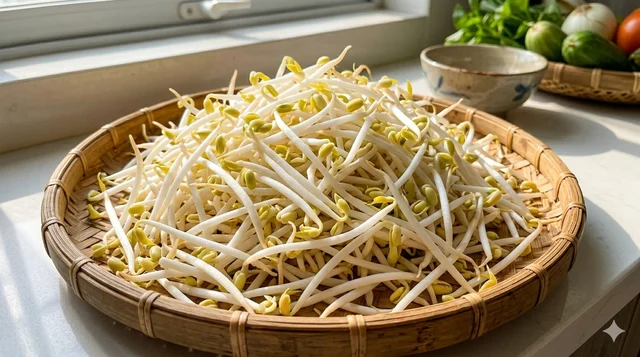
The price is very good for your health, but it must be used correctly.
Photo: AI
Stabilize blood pressure
Bean sprouts also contain significant amounts of potassium and magnesium. Potassium helps dilate blood vessels and reduce pressure on the vessel walls. This mechanism helps control blood pressure.
Potassium also helps the kidneys eliminate excess sodium. This helps the body maintain a stable fluid balance. The heart functions more efficiently when blood pressure and salt levels are controlled.
How to use bean sprouts safely
The processing method determines the safety level of bean sprouts.
Raw sprouts pose a risk of bacterial contamination due to the moist and warm environment during germination. Bacteria such as salmonella, E. coli, and listeria can thrive in these conditions. Eating them raw increases the risk of stomach upset, diarrhea, and vomiting.
High fiber content can cause bloating if the body is not used to it. Phytate remains at a certain level after sprouting. Excessive consumption may affect the absorption of calcium and zinc.
Pregnant women, young children, the elderly, and people with weakened immune systems should exercise caution when consuming raw bean sprouts.
Mung beans contain a relatively high amount of protein, so people with chronic kidney disease need to control their intake. Eating raw bean sprouts on an empty stomach can cause heartburn or a burning sensation behind the breastbone.
Properly preparing bean sprouts significantly reduces risks. Steaming or stir-frying them for 2 to 3 minutes kills harmful bacteria. This method also preserves most of the vitamin C and important enzymes.