



Rich in lycopene and potassium, tomatoes have long been considered a heart-healthy food. Several recent studies suggest that regularly consuming tomato juice may help control blood pressure in adults.
High blood pressure is one of the leading risk factors for cardiovascular disease and stroke. Besides medication, a healthy diet plays a crucial role in controlling blood pressure. Among the foods considered, tomato juice is mentioned as an option that can help improve blood pressure.
- 1. How does tomato juice help lower blood pressure?
- 2. How much tomato juice should I drink each day?
- 3. Things to note when using tomato juice
- 4. Notes on using to support blood pressure
Some studies have noted that drinking unsalted tomato juice daily over a long period may help slightly lower blood pressure in adults with untreated hypertension.
Specifically, in a year-long study, participants who drank about one cup of tomato juice per day recorded an average reduction of about 4 mmHg in systolic blood pressure. This is a modest but significant reduction in cardiovascular risk management if maintained long-term.
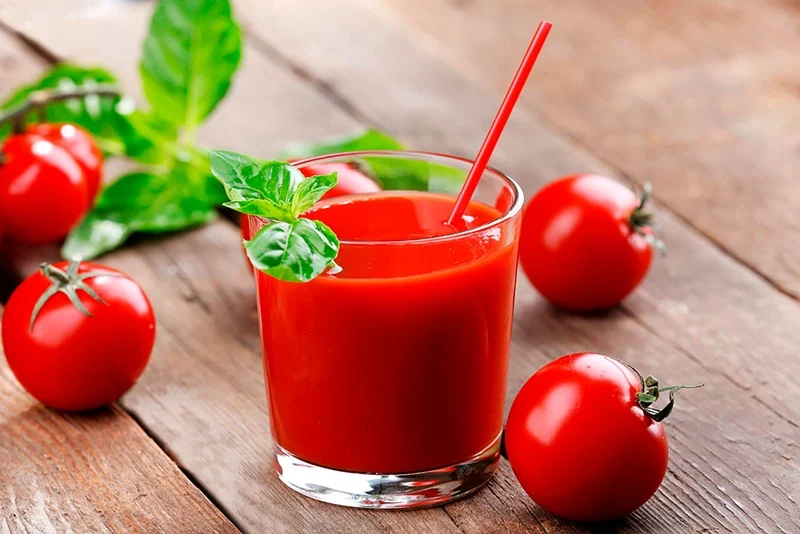
Regular consumption of tomato juice may help control blood pressure in adults.
1. How does tomato juice help lower blood pressure?
The effect of tomato juice on blood pressure mainly comes from two important nutrients: lycopene and potassium, specifically:
Lycopene – an antioxidant beneficial for blood vessels.
Lycopene is the pigment that gives tomatoes their characteristic red color, and it is also a powerful antioxidant.
Numerous studies suggest that lycopene may:
- It inhibits the formation of angiotensin II – a vasoconstrictor that increases blood pressure.
- Increased nitric oxide production – a substance that helps dilate blood vessels and improve blood flow.
- Reduce oxidative stress – a factor linked to vascular damage...
Thanks to these mechanisms, lycopene helps maintain stable blood pressure.
Potassium – an important mineral in regulating blood pressure.
One cup (about 240 ml) of tomato juice can provide nearly 500 mg of potassium – a significant amount compared to the daily requirement.
Potassium helps control blood pressure through the following mechanisms:
- Increased sodium excretion through urine leads to a reduction in body fluid volume.
- Reduces pressure on blood vessel walls and the heart.
- Inhibiting the activity of renin – an enzyme involved in the mechanism of hypertension...
A diet rich in potassium is recommended by many health organizations for the prevention and management of hypertension.
2. How much tomato juice should I drink each day?
There are currently no official recommendations on the specific amount of tomato juice to drink to control blood pressure. However, studies generally suggest around 1 cup per day (equivalent to 200–250 ml), consumed consistently over a long period (months to a year). The key is consistency; effectiveness doesn't come from occasional consumption but from maintaining a daily habit.
Furthermore, the juice used in the study was salt-free. Adding sodium could negate the benefits for blood pressure, or even have the opposite effect.
3. Things to note when using tomato juice
Although beneficial for many, tomato juice is not suitable for everyone, and some individuals should exercise caution:
Patients with kidney disease: High potassium levels can accumulate in the blood if kidney function is impaired. Hyperkalemia can cause dangerous heart rhythm disturbances.
For people with gastroesophageal reflux disease (GERD): Tomatoes are acidic and can worsen symptoms such as heartburn and chest burning.
People who need to limit sodium: Many bottled tomato juices are high in salt. This can raise blood pressure instead of improving it.
For individuals taking cardiovascular or blood pressure medication: Potassium may interact with certain medications such as ACE inhibitors and potassium-sparing diuretics. Inappropriate combinations can increase the risk of hyperkalemia.

People taking cardiovascular medication should be aware that consuming tomato juice may increase their risk of hyperkalemia.
4. Notes on using to support blood pressure
If you want to add tomato juice to your diet to help control blood pressure, you should keep the following in mind:
- Prefer fresh tomato juice, without added salt.
- Maintain a daily intake of approximately 1 cup. Do not add sugar or salty seasonings.
- Combine this with a low-salt diet rich in vegetables and fruits.
- Maintain physical activity and control your weight.
Most importantly, tomato juice is not a substitute for medication. People with high blood pressure need to follow their doctor's treatment plan and have regular check-ups.
The WHO recommends a healthy diet for the prevention and control of hypertension, emphasizing the following:
- Reduce salt intake (less than 5g/day).
- Increase your intake of vegetables and fruits.
- Supplement your diet with potassium-rich foods...
Tomato juice can be part of this diet, but it's not the only solution. In fact, the best blood pressure control is achieved through a combination of factors: a healthy diet, exercise, stress management, and adherence to medical treatment.
Drinking a glass of tomato juice every day may help lower blood pressure due to its lycopene and potassium content. However, its effectiveness is only supportive and requires regular and proper use. People should not consider this a substitute for treatment. Before using it regularly, especially for those with underlying health conditions or taking medication, it is necessary to consult a doctor to ensure safety.
Please watch the video for more information: