



Based on practical experience, some flight attendants believe that shorts, crop tops, tights, and flip-flops are inappropriate attire for air travel, especially in the event of an unexpected incident.
Many people choose comfortable clothing when flying, especially on long-haul flights. Popular choices include t-shirts, sweatpants , or hoodies.
However, according to a Daily Mail report, a flight attendant advised passengers to think more carefully about their attire, in case of emergencies during a flight.
Andrea Fischbach, a flight attendant for American Airlines, said she has always followed a rule taught to her by her mother since childhood.
"I've traveled a lot since I was a child. There's a rule my mother always made me follow, and I still maintain that habit to this day," she shared.
According to Andrea, in the event of an emergency landing, passengers may have to slide down an emergency escape chute to evacuate.
"Sliding down the escape chute is not pleasant at all, and can even cause pain and a hard impact upon landing. Therefore, it's best for passengers to wear clothing that covers as much of their body as possible to minimize scratches or injuries," she said.
She also advised passengers not to wear high heels, tight-fitting clothing, or excessive jewelry when flying, as these items can cause inconvenience during check-in and movement at the airport.
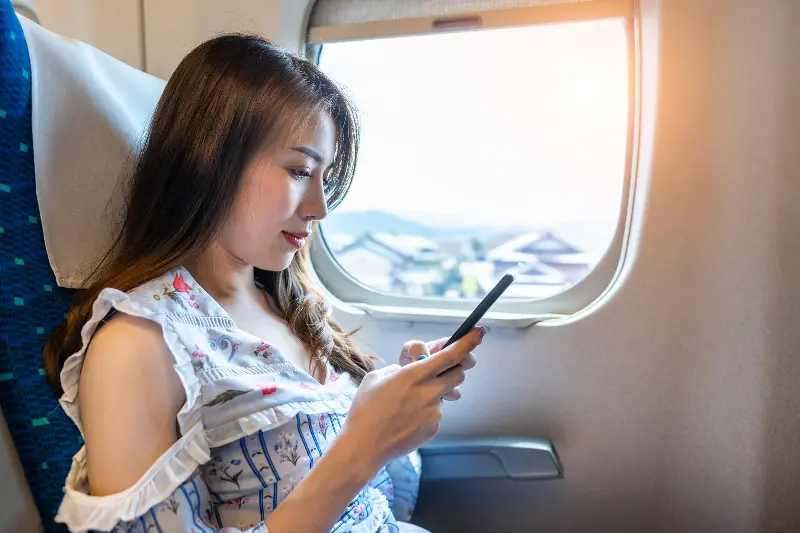
Another flight attendant, Sille Rydell, also posted a video on her TikTok account @silerydell, sharing the types of clothing she advises passengers to avoid wearing on airplanes.
According to Sille Rydell, shorts, crop tops—short tops that usually reach the waist or above the navel—and flip-flops are all unsuitable choices for a flight.
This is a lesson she learned after witnessing many real-life situations.
Specifically, she suggested that passengers shouldn't wear shorts or crop tops because the temperature inside the airplane cabin is usually quite cold. Meanwhile, flip-flops, while suitable for the beach, are inconvenient for quick movement or evacuation during an emergency landing.
Sille also advises passengers to avoid materials that can easily cause stuffiness and discomfort, as the temperature in the cabin can change throughout the flight.
Additionally, she argued that tights are not a suitable choice for flying because they are often made from synthetic fibers. In the event of a fire, this material could melt and stick to the skin, posing a potential burn risk.