



As summer temperatures rise, air conditioners become indispensable appliances in every home. However, not everyone knows how to use them efficiently, save electricity, and still ensure comfort.
You shouldn't lower the air conditioner temperature too much.
During peak hot weather, many people tend to lower their air conditioners to very low temperatures, around 18-20°C, hoping for faster cooling. However, according to experts, this is a common misconception and can cause the device to operate inefficiently, consuming more electricity than necessary.
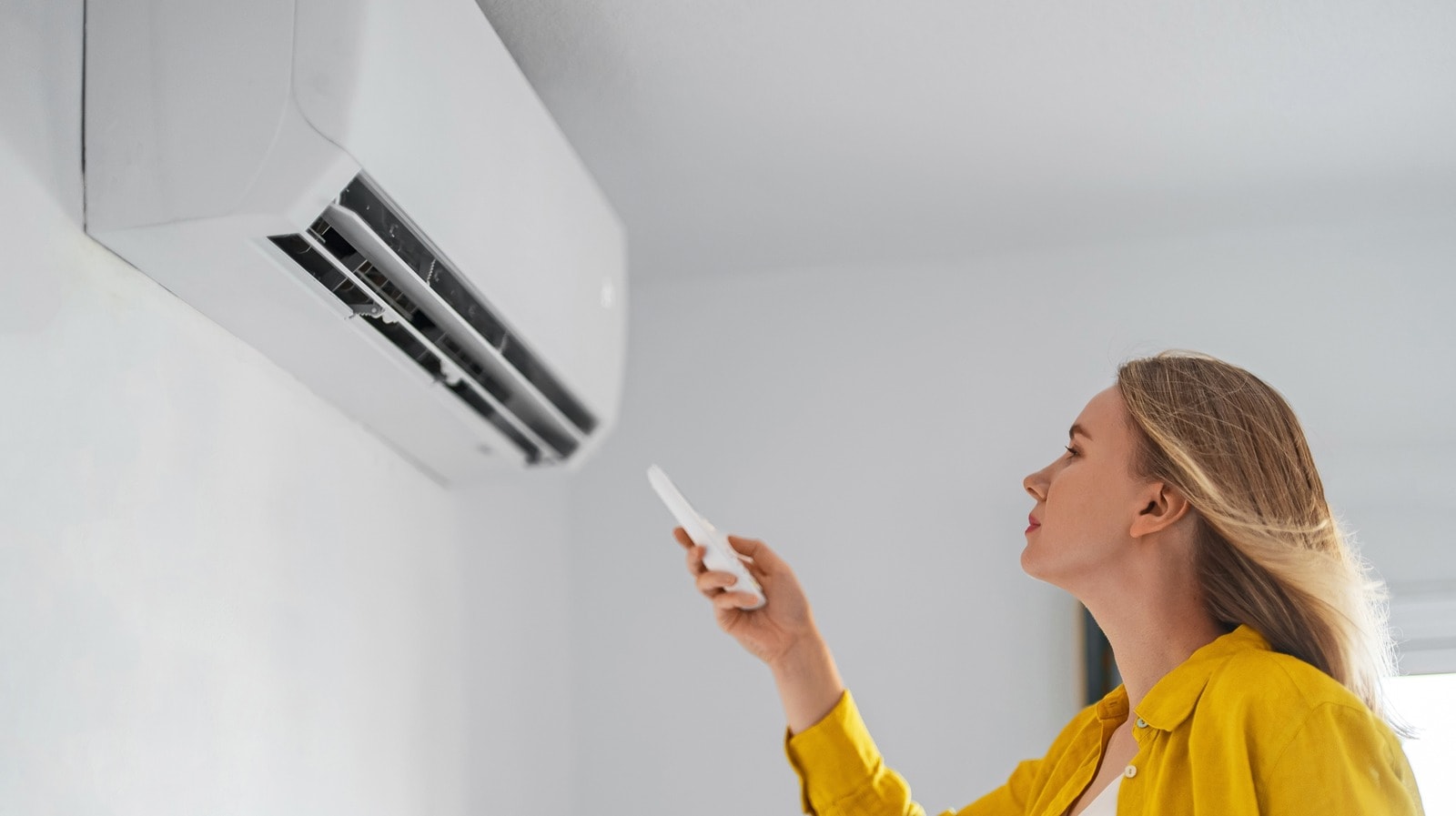
The operating principle of an air conditioner doesn't depend on whether you set it to 18°C or 25°C to "speed up" cooling. The device still operates at almost the same power in the initial phase, until it reaches the set temperature. Setting the temperature too low only causes the machine to run longer, leading to higher energy consumption and reduced device lifespan.
Experts recommend maintaining an ideal temperature between 23-25°C. This range ensures a comfortable feeling while also saving electricity effectively. Additionally, avoid large temperature differences between the room and the outside to prevent thermal shock and protect your health.
Turn on the air conditioner at the right time to optimize its performance.
Another mistake is waiting until the room becomes stuffy before turning on the air conditioner. At that point, the device has to work harder to bring the temperature down, leading to higher electricity consumption.
Instead, users should turn on the air conditioner early in the morning or before the outside temperature peaks and maintain a stable temperature throughout the hot day.
This method reduces the load on the compressor, maintains stable performance, and significantly saves on electricity costs.
Prioritize comfort over "extreme cold."
The goal of air conditioning is not to create a blast of cold air, but to maintain a comfortable living environment. An ideal space depends not only on temperature but also on air humidity.
According to recommendations, the ideal temperature is around 24-25°C and the ideal humidity is around 50%.
In these conditions, the body will feel comfortable without the need for direct cold wind. Overuse of low temperatures is not only wasteful but can also easily lead to health problems such as dry skin and sore throats.
Take advantage of the dehumidification mode on hot days.
The discomfort doesn't always come from high temperatures. On days with high humidity, the air becomes stuffy and suffocating.
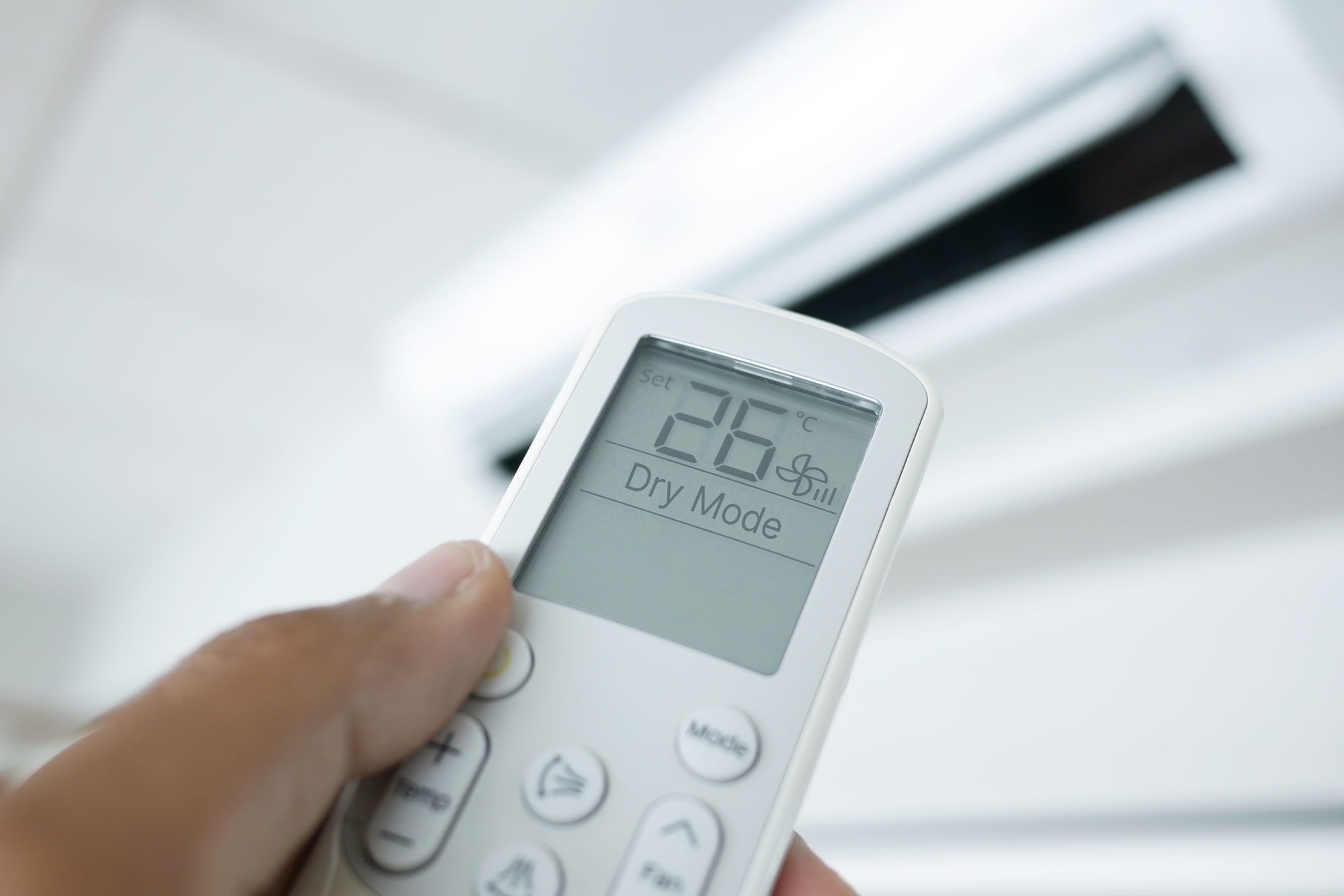
In that case, users should switch to Dry mode (dehumidification) instead of just cooling. This mode helps reduce humidity in the room, creating a more comfortable feeling and saving energy compared to deep cooling mode.
This is a particularly effective solution during humid or rainy days.
Leverage smart technology to save electricity.
Modern air conditioners today are equipped with many smart features such as Wi-Fi connectivity and remote control via smartphone.
Users can turn on the air conditioner before arriving home and adjust the temperature in real time.
As a result, the space is always cool when needed without having to run the machine continuously all day, helping to optimize operating costs.
Regular maintenance: An often overlooked factor.
Regular cleaning and maintenance of air conditioners is crucial for maintaining performance and air quality.
A clean system improves cooling efficiency, reduces energy consumption, and limits harmful bacteria and mold growth.
Conversely, if the filter is dirty, the airflow will weaken, the machine will have to work harder, and the air in the room may become polluted.
Therefore, users should check and clean the device regularly to ensure it always operates optimally.
Besides using air conditioning, simple supporting measures can also help improve cooling efficiency, such as closing doors when the air conditioner is on, using curtains or blinds to limit direct sunlight, and avoiding opening doors frequently while the machine is running.
These small habits help maintain a stable room temperature, reduce the load on the air conditioner, and save a significant amount of electricity.
Efficient air conditioning isn't about "deep cooling," but about proper operation. By adjusting the temperature appropriately, turning on the unit at the right time, and performing regular maintenance, users can save electricity while ensuring a comfortable living space during hot days.