



Chives are not only a familiar food but also contain many beneficial bioactive compounds. From aiding digestion and fighting bacteria to protecting cardiovascular health and bones, chives are recognized for their value in both modern and traditional medicine.
1. Chives – a food rich in nutrients and bioactive compounds
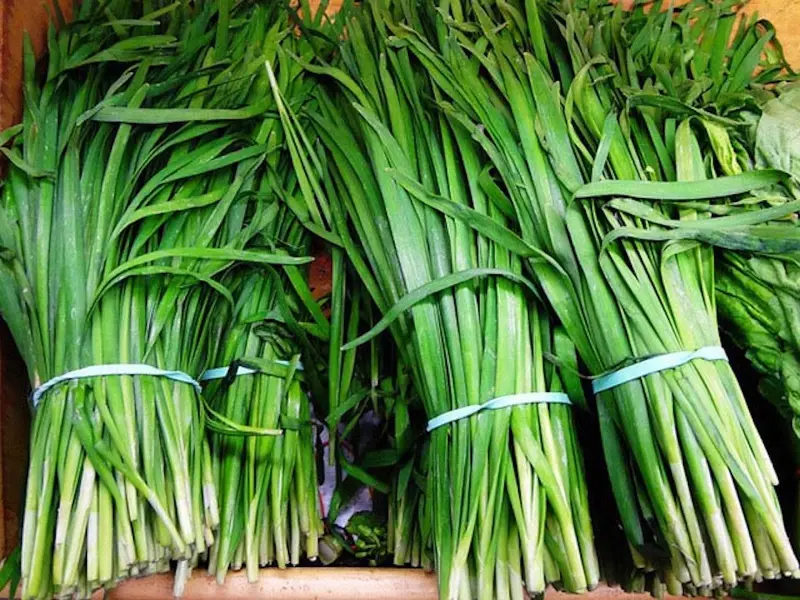
Chives (Allium ramosum or Allium tuberosum), belonging to the onion family (Alliaceae), are a familiar spice in Vietnamese meals.
According to Dr. Huynh Tan Vu, a specialist at the University Medical Center of Ho Chi Minh City, chives are also known by other names such as "cuu thai," "cuu thai tu," "khoi duong thao," and many others. Chives have a flavor intermediate between onions and garlic, and are used both as a food and as a folk medicine to treat many diseases, from common to complex.
In terms of nutritional composition, 1 kg of chives contains a significant amount of protein (5-10g), sugar (5-30g), vitamin A (20mg), vitamin C (89g), calcium (263mg), phosphorus (212mg), and fiber. Fiber helps increase insulin sensitivity, lower blood sugar, reduce blood lipids, prevent atherosclerosis, and protect the pancreas.
Chives contain many valuable antibiotics, especially effective for respiratory and intestinal diseases in children. Scientists have studied chives and found compounds such as sulfur, saponins, and bitter substances... In particular, odorin, found in chives, is considered a specific antibiotic against Staphylococcus aureus and Bacillus coli bacteria.
In traditional medicine, chives have a pungent, slightly sour taste and a warm nature. Chives are believed to nourish the kidneys, support male potency, warm the body, promote qi circulation, disperse blood stasis, clear phlegm, and stop bleeding. Several ancient texts, such as the Nei Jing (Classic of Internal Medicine) and the Ben Cao Shi Yi (Supplement to the Materia Medica), mention chives as a food to be consumed in spring to enhance male potency. Additionally, chives are used in remedies to help treat back pain, nocturnal emissions, or decreased sexual function.
2. Benefits of chives
2.1 Antibacterial effects, supporting the treatment of respiratory and digestive diseases.
One of the notable uses of chives is their antibacterial properties. Fresh chive juice can inhibit many bacteria that cause gastrointestinal and respiratory diseases, such as staphylococcus, Salmonella, and some strains of E. coli. In folk medicine, chives are often used to help relieve coughs and colds, especially in young children.
According to Dr. Huynh Tan Vu, simply take a handful of fresh chives, wash them thoroughly, chop them finely, mix them with a little rock sugar, steam them in a pot of boiling rice until the water has almost evaporated, or steam them in a double boiler. Let it cool and give it to the child to drink; it will immediately soothe coughs, colds, and fevers. It's also important to note that this remedy works better for children when using fresh chives; boiling them will reduce the effectiveness of the antibiotic.
Because of this effect, chives are considered a safe supportive option in cases of mild infections, especially in the intestines and respiratory tract.
2.2 Supports blood sugar and blood lipid control
The fiber in chives plays a role in improving insulin sensitivity, thereby supporting blood sugar control. This is significant for people at risk of or already suffering from diabetes. In addition, compounds like allicin found in chives help reduce cholesterol synthesis in the body, contributing to limiting the risk of atherosclerosis. Therefore, adding chives to your diet can help control blood lipids and protect cardiovascular health.
2.3 Contributes to lowering blood pressure and protecting cardiovascular health.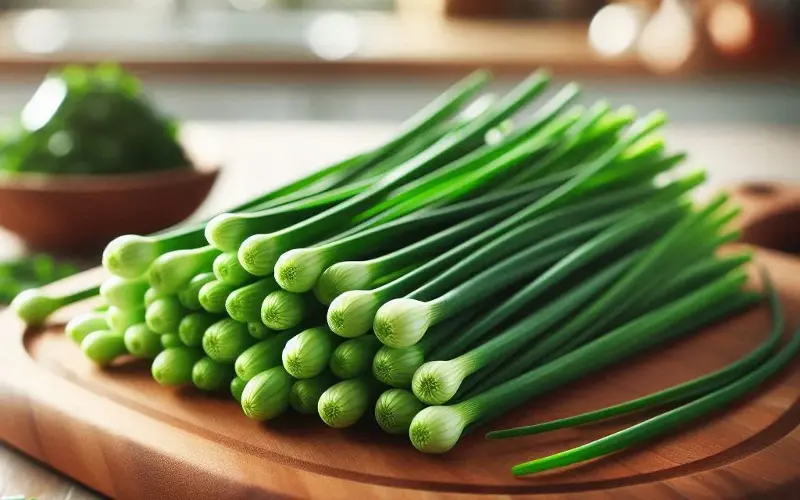
Chives contain flavonoids and vitamin C – substances beneficial for the cardiovascular system. Flavonoids help regulate blood pressure, while vitamin C strengthens blood vessel walls and aids in iron absorption. Additionally, the sulfur compounds in chives have antioxidant properties, helping to limit cell damage from free radicals. Therefore, regularly consuming chives may contribute to reducing the risk of cardiovascular disease.
2.4 Support for cancer prevention
Chives are a source of flavonoids and natural sulfur-containing compounds. These are antioxidants that help neutralize free radicals – factors associated with the formation and development of cancer cells. Some studies suggest that incorporating vegetables from the onion and garlic family, including chives, may contribute to a reduced risk of certain cancers such as colon, stomach, lung, breast, and prostate cancer.
However, it's important to understand that chives only play a supportive role in cancer prevention and are not a replacement for cancer treatments.
2.5 Effects on the skin and support for wound healing
According to Specialist Doctor Huynh Tan Vu, chives have antibacterial and antifungal properties, making them very good for the skin and improving skin infections. Chives can replace creams for treating scabs and healing open wounds. Thanks to these properties, chives can kill bacteria and fungi, helping wounds heal faster.
2.6 Strengthening bone health
Chives contain vitamin K – an important micronutrient in bone metabolism. Vitamin K helps increase bone density and limit mineral loss. This is especially important for women, particularly during perimenopause and menopause – a group at higher risk of osteoporosis. Adding chives to your diet can contribute to maintaining strong bones.
2.7 Good for pregnant women
Fresh chives contain folate (folic acid) – a nutrient essential for cell division and the development of the fetal nervous system. Adequate folate intake during pregnancy helps reduce the risk of neural tube defects in children. Therefore, chives can be a suitable food supplement in the diet of pregnant women, if used correctly and appropriately.
2.8. Preventing blood clots and improving circulation
The flavonoids in chives help regulate blood pressure and improve blood circulation. At the same time, vitamin C helps increase the elasticity of blood vessel walls. These factors contribute to reducing the risk of blood clot formation and supporting a more efficient circulatory system.
3. Notes on using chives
Despite its many benefits, chives still need to be used appropriately:
- It should not be consumed in excessive amounts as it may cause internal heat and digestive discomfort.
- People with stomach problems should be cautious when eating raw food.
- When using folk remedies for young children, consult a healthcare professional before applying them.
- Chives only play a supportive role and are not a substitute for medication.
Chives are a highly nutritious food containing many beneficial bioactive compounds. From aiding digestion and boosting immunity to protecting cardiovascular health and bones, chives are both a familiar food and a natural remedy. However, they need to be used correctly and appropriately for each individual to maximize their effectiveness.