


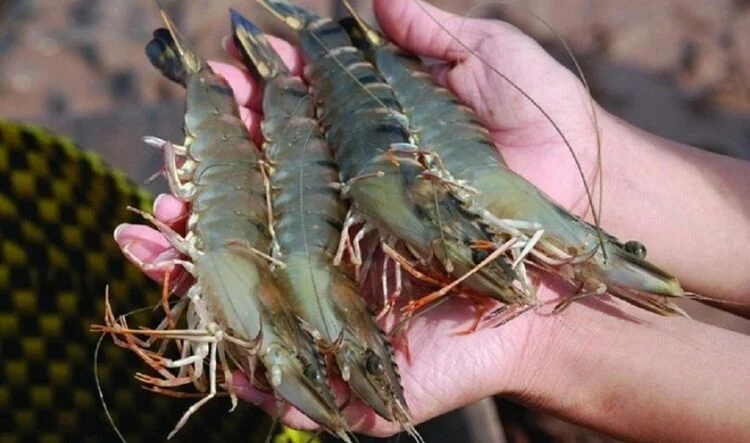
Many people carelessly drop frozen shrimp directly into boiling water or boil fresh shrimp in cold water without realizing that this habit turns expensive seafood into a mushy, fishy disaster. Below are the proper ways to prepare and boil fresh and frozen shrimp, just like in a restaurant.
How to properly boil fresh shrimp
For fresh shrimp (especially live or recently caught shrimp), the main goal is to preserve the natural sweetness and firm texture of the shrimp meat. When boiling shrimp, you don't need to use too many strong seasonings to avoid losing this original sweetness.
The advantage of boiling fresh shrimp is that it preserves the natural sweetness and crispness of the meat.
Preparation: You should rinse the shrimp with diluted salt water to clean off any dirt clinging to the shell. Then, use a toothpick to pierce through the second or third vertebra on the shrimp's back and gently pull out the black vein. This helps to clean the shrimp and prevent grit when eating. You should boil the whole shrimp (including the shell and head) to retain the rich roe in the head and lock in the sweet juices inside the meat.
Cooking method: Add enough water to cover the shrimp in a pot. Add a few slices of ginger, 1-2 crushed lemongrass stalks, and 1/2 teaspoon of salt. The salt will help maintain the shrimp's bright red shell and enhance the sweetness of the meat.
Heat the water until it's very hot, with thick bubbles rising to the bottom of the pot (around 85-90°C), then add the shrimp. If you want the shrimp to have shiny shells and to remove the fishy smell, add a tablespoon of rice wine to the pot just before adding the shrimp.
Fresh shrimp cooks very quickly, taking only about 2-3 minutes for medium-sized shrimp (whiteleg shrimp, prawn) and 4-5 minutes for large shrimp (tiger shrimp, king prawn). During boiling, you should maintain medium heat. When you see the shrimp shells turn evenly red and the shrimp bodies curl slightly into a C shape, they are perfectly cooked. Do not boil them for too long, as this will cause the shrimp to curl into an O shape. At this point, the shrimp will be dry, lose all its sweetness, and the meat will stick to the shell when peeled.
Remove the shrimp and immediately place them in a bowl of ice water for 1-2 minutes. The shrimp meat will contract upon contact with the cold, creating a crunchy texture and allowing the shell to easily separate from the meat, making it extremely easy to peel.
Making the perfect plate of boiled shrimp isn't too difficult.
If the shrimp are extremely fresh (just caught from the lake), you can even boil them without water. Simply arrange a layer of lemongrass and ginger at the bottom of the pot, place the shrimp on top, cover, and turn on medium heat. The steam naturally released from the shrimp will cook them in 3-4 minutes, preserving their rich sweetness.
How to boil frozen shrimp
For frozen shrimp, the processing procedure will have a few important differences to ensure that the shrimp meat does not become mushy, lose its head, or lose its natural sweetness.
Many people have a habit of dropping frozen shrimp directly into a pot of warm or boiling water to "thaw them at the same time." This is the biggest mistake that leads to failed boiled shrimp dishes (the meat becomes mushy, the heads fall off, and it smells fishy).
When preparing frozen shrimp, the key is to thaw them completely. Absolutely do not put frozen shrimp directly into a pot of hot water, as this will overcook the outside while keeping the inside cold, resulting in mushy shrimp meat that releases a lot of water.
Shrimp must be completely thawed before boiling.
How to thaw shrimp : Transfer the shrimp from the freezer to the refrigerator's chiller compartment about 6-8 hours (or overnight) before cooking. If you don't have enough time, you can keep the shrimp in a sealed plastic bag or place them in a bowl and soak them in cold water (you can add a little salt). Absolutely do not soak them in hot water or use a microwave, as this will partially cook the shrimp and make them mushy.
Frozen shrimp often have a stronger fishy smell than fresh shrimp. Therefore, you need to add a few extra steps during preparation. First, after the shrimp have completely softened, rinse them with one of the following mixtures: diluted salt water with a little white wine, water with a little vinegar, or lemon juice to remove the fishy smell and sliminess.
Steps for boiling frozen shrimp: In general, boiling frozen shrimp is not much different from boiling fresh shrimp. Add water to a pot along with ginger, lemongrass, green onions, and 1 teaspoon of salt. Bring to a simmer (about 85-90°C) and release the aroma of the spices. Add white wine to the water, then add the thawed shrimp.
The biggest difference between boiling fresh and frozen shrimp lies in the addition of white wine. With fresh shrimp, adding white wine to the pot before adding the shrimp is recommended, but can be omitted. However, with frozen shrimp, if you want the shrimp meat to retain its sweetness and crispness without a fishy smell, adding white wine to the boiling water before adding the shrimp is mandatory.
Frozen shrimp, if properly prepared and cooked, can also have a pretty perfect flavor.
After adding the shrimp to the pot, cook over medium heat for about 3-4 minutes (depending on the size of the shrimp). Turn off the heat as soon as the shrimp turn reddish-pink and curl into a C-shape. Quickly remove the shrimp and immediately place them in a bowl of ice water with a few slices of lemon for 2 minutes. The ice water stops the cooking process, causing the meat to contract and become firm, making them easier to peel.
A common mistake many people make when boiling shrimp (both fresh and frozen) is covering the pot. They think this will help the shrimp retain its flavor and taste better. However, this is not true. Covering the pot throughout the boiling process only intensifies the fishy smell and negatively affects the shrimp's taste.
According to Vtcnews.vn