



In the midst of a prolonged crisis, Manchester United needs a fresh and decisive turning point, not a return to an old face that was once met with skepticism and boos.
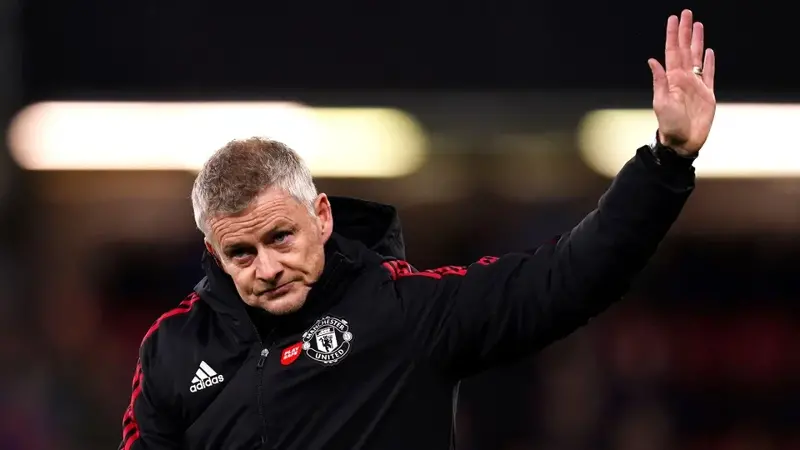
Solskjaer previously managed Manchester United.
If Ole Gunnar Solskjaer's name is indeed included on the list of candidates for the interim manager position at Manchester United, it's not nostalgic news, but a warning. Not because Solskjaer lacks love for the club, nor because he hasn't had memorable moments at Old Trafford.
The problem is this: Solskjaer represents a cycle that has been fully experienced, proven, and ended in a loss of confidence. In the context of Manchester United struggling to find order, returning to the past is like admitting that the club has gone in a circle without finding a way out.
A dynasty filled with emotion but lacking a solid foundation.
Solskjaer first appeared on the Manchester United bench as an "antidote" after the Jose Mourinho era. He brought smiles, approachability, and a positive language that the dressing room desperately needed at the time.
The consecutive victories, the comeback against PSG, and the feeling that "MU is back" led many to believe that the club had found the right person. But when the emotions subsided, the reality turned out to be quite harsh.
Under Solskjaer, Manchester United never seemed to escape their precarious state. They could win big against strong opponents, but could also collapse unexpectedly against weaker teams.
The team lacks the composure to seize opportunities, the stability to maintain a competitive position, and most importantly, a solid structure to survive when performance declines.
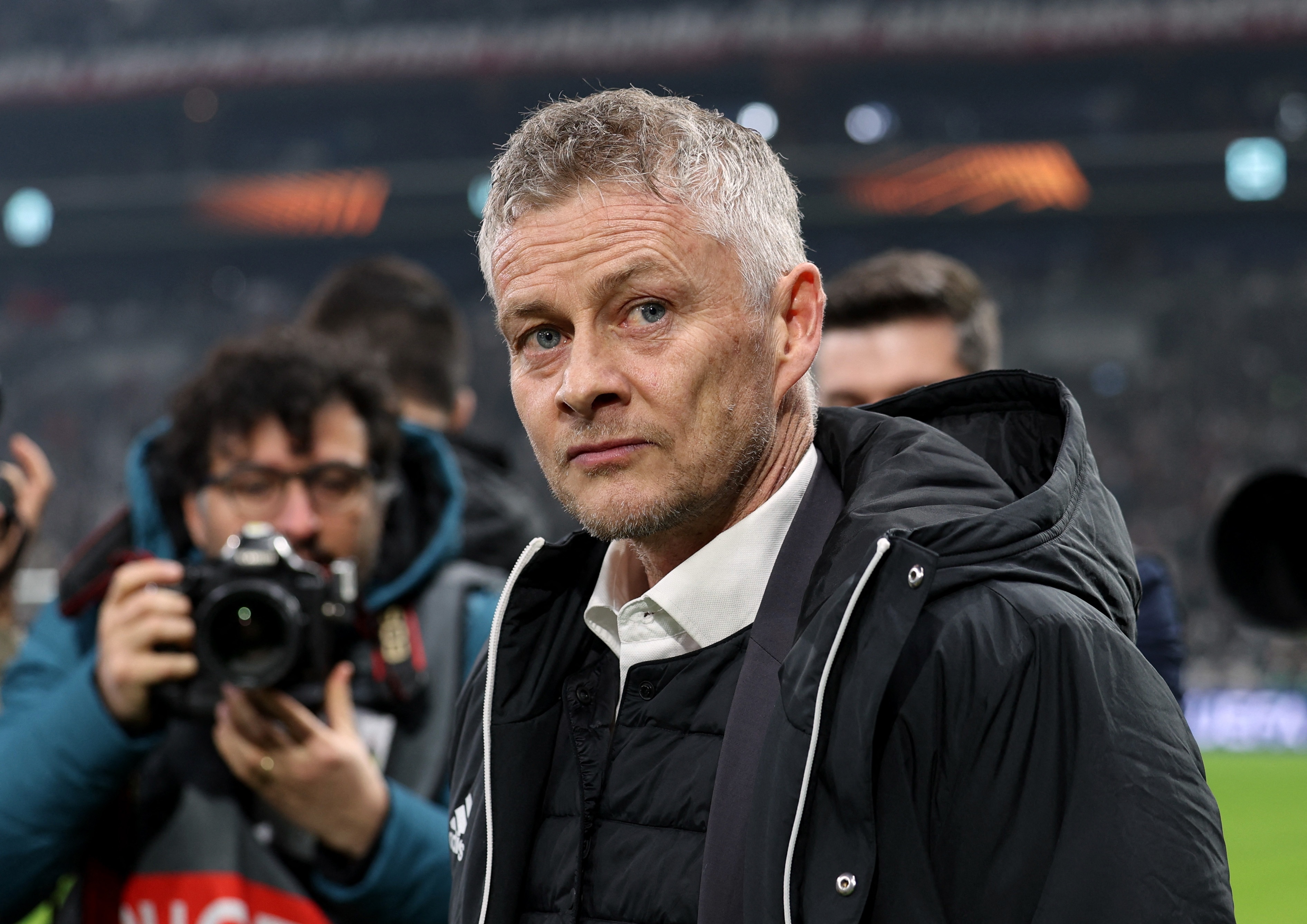
Solskjaer made his debut on the Manchester United bench as an "antidote" after the Jose Mourinho era.
Solskjaer has spoken of "cultural rebuilding," of the necessary ruthlessness in the restructuring. But in reality, the Manchester United squad has hardly changed in line with that spirit.
Players deemed no longer suitable remained. Old problems were masked by a few victories, only to resurface when a series of bad results continued.
Solskjaer's departure from Old Trafford after the 1-4 defeat to Watford wasn't a tragedy, but the logical consequence of a process reaching its limits. The boos from the stands that day weren't directed at one person, but rather at disappointment with a project that was no longer convincing.
Going back to the past cannot create the future.
In the new era under Sir Jim Ratcliffe and the Ineos group, Manchester United was expected to operate with reason and structure, rather than emotion and nostalgia. But the recent period has shown that the club has yet to break free from its old habits.
Inconsistent decisions and half-hearted changes have left the team in a state of limbo. In this context, considering bringing Solskjaer back, even if only in an interim role, would send a dangerous message: Manchester United lacks new ideas.
It's not just about the technical aspects, but also about belief. A big club can't keep reverting to failed strategies just because they once provided a sense of security.
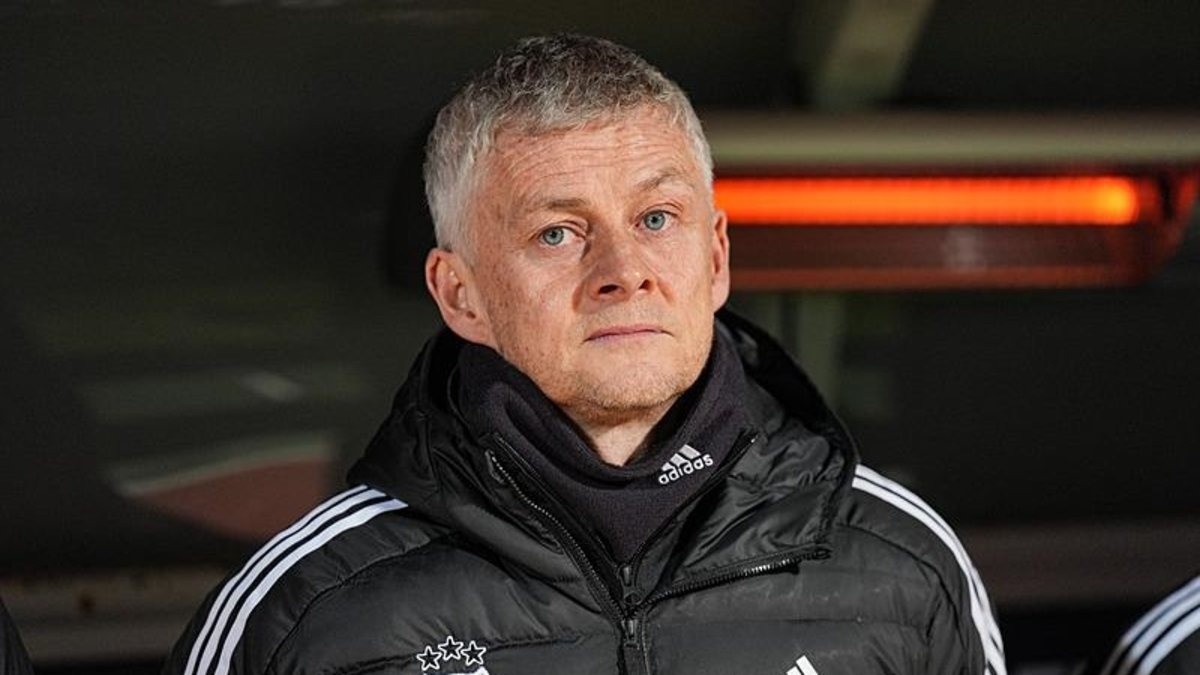
Considering bringing Solskjaer back, even if only in an interim role, would send a dangerous message: Manchester United have no new ideas.
Solskjaer is a kind person, an icon associated with Manchester United's history. But that very quality has become a barrier.
He is too familiar with this environment, too attached to old relationships, and therefore unable to make the cold, decisive decisions the club needs. Manchester United now needs someone who is detached from the past so as not to be held back by fond memories, tough enough to impose a new order, and powerful enough to say "no" when necessary.
Returning to Solskjaer is not a middle ground, but rather a step backward disguised by emotion. And with Manchester United having shot themselves in the foot so many times over the past decade, it's a gamble they can no longer afford to lose.