



Leaving behind the hustle and bustle of Tokyo, blogger Phan Thế Anh takes travelers to Fukushima – a place boasting stunning autumn roads, abundant fruit orchards, and a long-standing Samurai heritage.
Fukushima, Japan's third-largest prefecture, is located in the Tohoku region, nearly 300 km north of Tokyo. Unlike the hustle and bustle of major cities, it attracts visitors with its pristine, peaceful nature and well-preserved traditional cultural values.
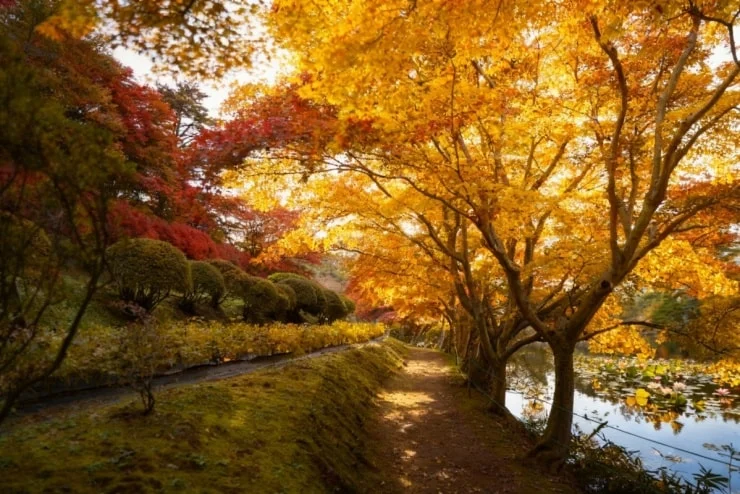
A vibrant autumn scene at the heritage parks.
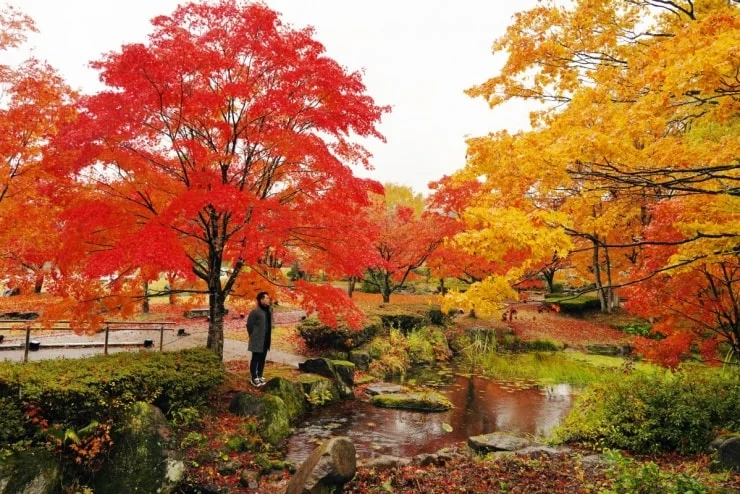
The first stop on our exploration of Fukushima was Kasumigajo Castle Park. During the autumn foliage season, the entire park is covered in vibrant shades of yellow and red, creating a picturesque scene. Blogger Phan Thế Anh shared that, despite having experienced autumn in many countries, Fukushima left the deepest impression on him because of its peacefulness and isolation from the hustle and bustle of the world .
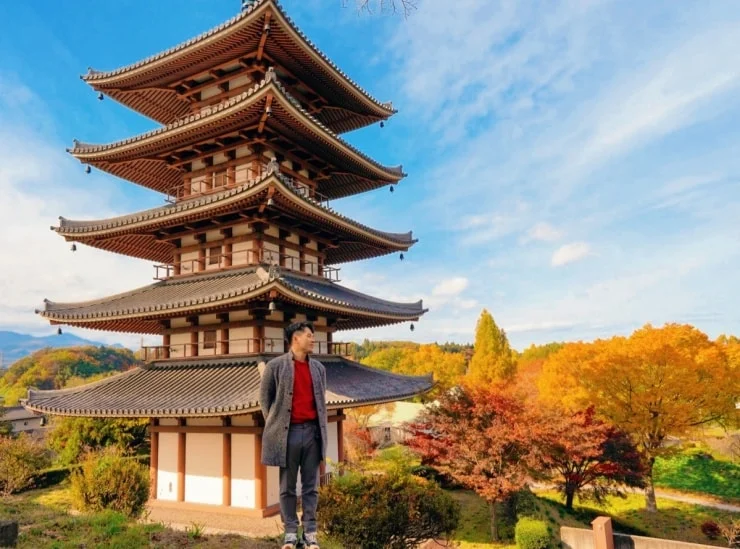
In addition, Adachigahara Furusato offers an experience like a journey through time. Visitors can admire the unique architecture of the five-story pagoda or visit the Samurai residences to learn about daily life from centuries ago.
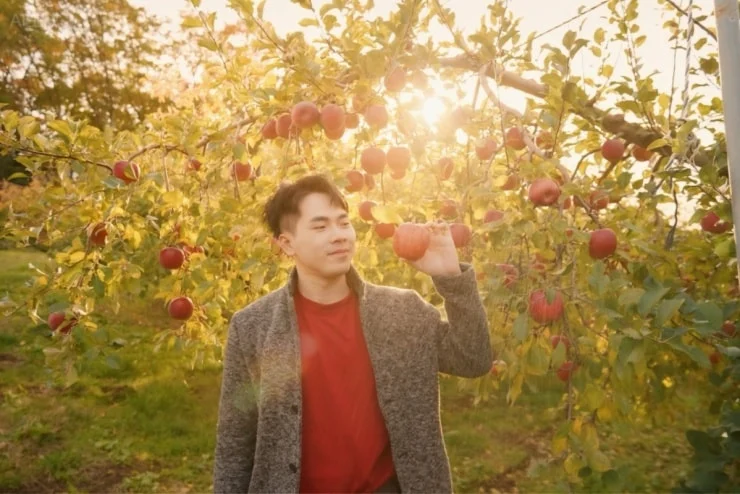
Experience apple picking and trekking around Five-Colored Lake.
For outdoor enthusiasts, Maruhara Orchard is a must-visit. Located on the Abukuma plateau, its Fuji apple orchards attract visitors with their delicate aroma and branches laden with fruit. The fee for an apple-picking experience is 880 yen per hour (approximately one hour), allowing visitors to pick and enjoy the apples on the spot. If you wish to purchase apples to take home as souvenirs, the price is 648 yen per kilogram.
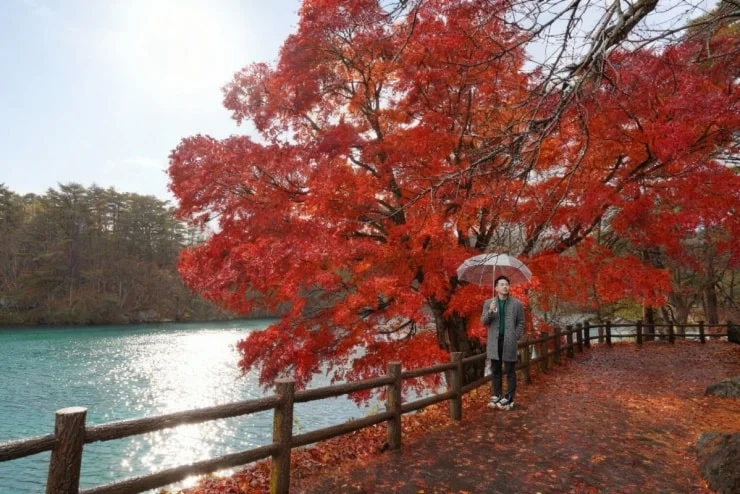
Another impressive highlight is the Goshiki-numa (Five-Colored Lakes) at the foot of Mount Bandai. Formed after a volcanic eruption in 1888, the water here has the ability to change color due to natural minerals. Along a nearly 4-kilometer trail, visitors can explore famous lakes such as Aka, Midoro, Benten, and Bishamon.
The imprint of time and local cuisine
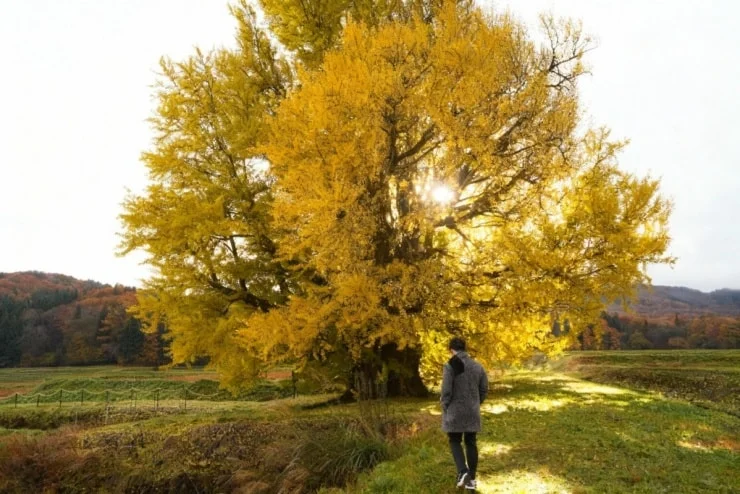
In Fukushima, visitors also have the opportunity to admire a 650-year-old ginkgo tree with a canopy that spreads like a giant umbrella. This is a symbol of resilience and a favorite check-in spot for travelers.
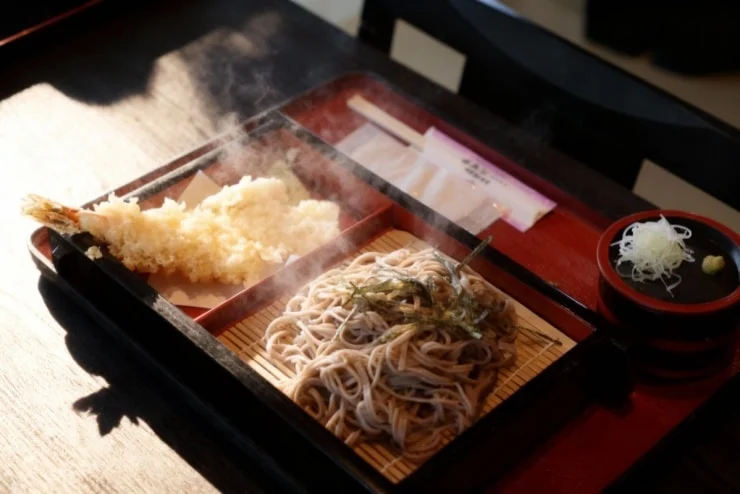
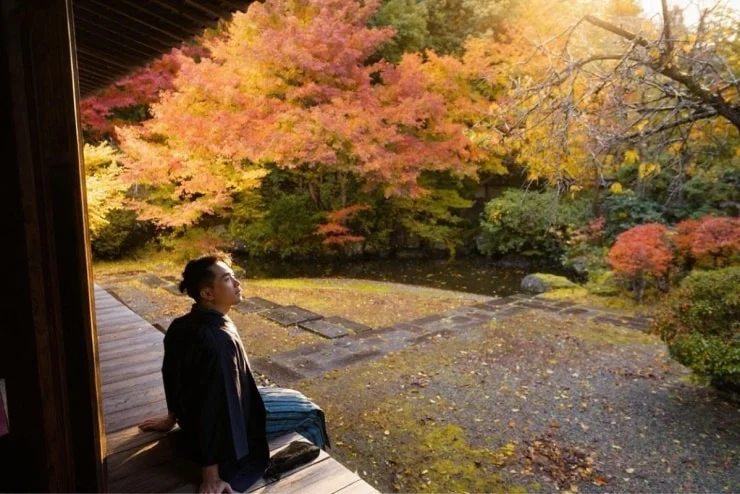
In terms of cuisine, Fukushima is renowned for its dishes using fresh, seasonal ingredients. Most notable are Aizu-style pork cutlet rice, Kitakata ramen, and traditional soba noodles. After a long day of exploring , soaking in a hot spring (onsen) or visiting ancient mansions in a kimono offers wonderful relaxation experiences.
Practical information for the trip
- Ideal time to visit: You can visit Fukushima year-round. Spring is perfect for cherry blossom viewing, summer is ideal for hiking, autumn for admiring the autumn foliage, and winter for participating in snow festivals.
- Getting there: Located approximately 300 km from Tokyo, it's easily accessible by Shinkansen train.
- Estimated cost: Picking apples in the orchard costs approximately 880 yen per hour.
Blogger Phan Thế Anh, who undertook this journey, is a familiar face in the travel community. He is currently a Marketing lecturer and was formerly a tourism ambassador for Busan (South Korea). From an expert's perspective, he considers Fukushima a potential destination for those seeking to discover the core values of Japanese nature and people.