



Yoga, with its chest-opening postures and breath control, can help tuberculosis patients improve lung capacity, reduce shortness of breath, and increase respiratory endurance during treatment and recovery.
1. The role of respiratory exercises for tuberculosis patients
Pulmonary tuberculosis is an infectious disease caused by the bacterium Mycobacterium tuberculosis, primarily affecting the lung tissue. Although it is curable with medication, many patients still experience reduced lung capacity, shortness of breath, and persistent fatigue after treatment.
According to recommendations from health organizations, in addition to adhering to treatment, patients need to combine it with respiratory rehabilitation. In particular, exercises that improve lung ventilation and chest wall movement play a crucial role.
Yoga is a suitable supportive method, thanks to its combination of gentle movement, breath regulation, and nervous system relaxation. Regular practice can help improve respiratory capacity, increase oxygen supply to the body, and enhance quality of life.
2. Certain yoga poses help improve lung function
Below are simple yoga poses suitable for people recovering from illness or with respiratory problems. Patients should practice under the initial guidance of a specialist or healthcare professional if they have underlying health conditions.
2.1. Cobra Pose (Bhujangasana)
This posture helps to open up the chest and stretch the front of the body. By lifting the chest off the floor, the chest cavity expands, allowing for better lung expansion.
Main benefits:
- Increase lung capacity.
- Improve posture, reduce hunchback.
- Helps relieve stiffness in the chest and shoulders...
Patients should perform the exercise gently, avoiding lifting too high if they experience discomfort.
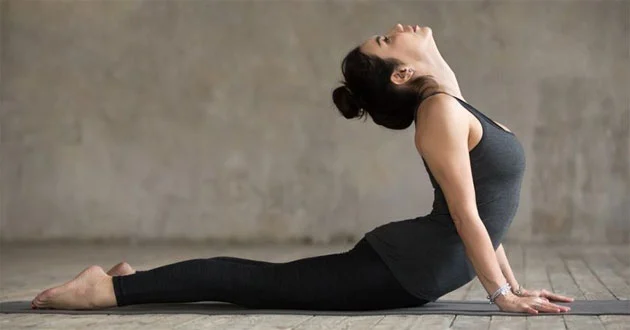
The cobra pose helps improve lung function for tuberculosis patients.
2.2. Fish Pose (Matsyasana)
Matsyasana helps to open up the chest and throat, thereby increasing the ability to inhale deeply. This pose has a direct effect on the respiratory system and is beneficial for tuberculosis patients.
Main benefits:
- Increase the amount of oxygen inhaled.
- Stimulates lung activity.
- Reduces chest tightness...
This posture is especially helpful for people who tend to breathe shallowly or sit for long periods.
2. 3. Half Wheel Pose (Ardha Chakrasana)
This is a gentle backward bending movement that helps stretch the entire upper body, especially the rib cage and intercostal muscles.
Main benefits:
- Increase spinal flexibility.
- Expand the chest cavity.
- Improve your ability to inhale deeply and exhale completely...
Patients should perform the exercise slowly, inhaling as they lean back and exhaling as they return to the starting position.
2. 4. Child's Pose (Balasana)
Balasana is a relaxing pose that helps regulate breathing and reduce stress. It is an important pose for respiratory recovery after physical activity.
Main benefits:
- Slow and deep your breathing.
- Reduce anxiety and stress.
- Supports the nervous system, helps regulate breathing...
This pose is suitable for ending a workout or for performing when feeling tired.
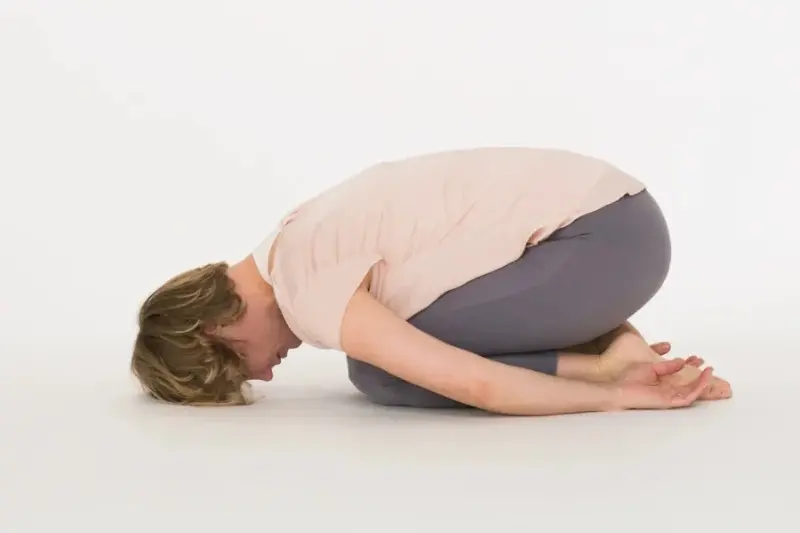
The child's pose helps regulate breathing and reduce stress.
2.5. Mindful Walking
This is a simple yet effective exercise that combines movement and breath control. The exerciser walks slowly, keeping their back straight, coordinating their steps with their breathing.
Main benefits:
- Enhance oxygen absorption.
- Improve cardiovascular endurance.
- Suitable for a wide range of ages...
Patients can perform this exercise for 15–30 minutes each day in a well-ventilated area.
2.6. Walk in a figure-eight pattern.
This exercise combines walking in a figure-eight pattern with controlled breathing. The continuous movement helps improve circulation and increase respiratory efficiency.
Main benefits:
- Improve coordination between breathing and movement.
- Improves blood circulation.
- Supports physical and mental balance...
This is a gentle exercise that can be done at home or outdoors.
3. Notes on practicing yoga for people with tuberculosis
To ensure safety and effectiveness, tuberculosis patients should note the following:
- Not a substitute for medical treatment: Yoga is only a supportive therapy and does not replace medication for tuberculosis.
- Exercise when your condition is stable: Do not exercise when you have a fever, a persistent cough, acute shortness of breath, or during a severe illness.
- Avoid overexertion: The movements should be performed gently, according to the body's capabilities.
- Pay attention to your training environment: You should exercise in a well-ventilated area with clean air.
- Consistency is key: Exercising for 15–20 minutes each day will yield better results than high-intensity but infrequent workouts.
Yoga is a simple, safe, and sustainable method for improving respiratory function. For individuals with or who have been treated for tuberculosis, maintaining appropriate exercises can help increase lung capacity, reduce shortness of breath, and improve overall health. However, patients must adhere to their doctor's treatment plan and consult with a healthcare professional before starting any exercise program.