



Bananas and sweet potatoes are both familiar foods, rich in nutrients and good for health.
In a healthy diet, especially for those managing weight or with diabetes, choosing the right carbohydrate sources is crucial. Bananas and sweet potatoes are both common, readily available, and nutrient-rich, but which is actually more blood sugar-friendly and better suited to weight loss goals?
1. To lose weight, should you choose bananas or sweet potatoes?
Essentially, both fruits and vegetables are low in energy density, low in fat, and suitable for weight-loss diets. However, when considering satiety – a key factor in controlling food intake – sweet potatoes have a slight edge.
Two nutrients directly related to feelings of fullness are fiber and protein. Foods rich in these two components help slow down digestion, prolonging satiety and preventing overeating.
Comparing fiber content:
- Sweet potatoes: 3.8g of fiber in one medium-sized baked sweet potato.
- Bananas: 3.1g of fiber in one medium-sized banana.
The ripeness of bananas can alter their fiber content, but overall, sweet potatoes are still a higher source of fiber.
Regarding protein:
- Sweet potatoes: 2.3g of protein per medium-sized potato.
- Bananas: 1.3g of protein per medium-sized banana.
Although the difference isn't huge, when considering the meal as a whole, sweet potatoes tend to create a longer-lasting feeling of fullness, thus supporting more effective weight management.
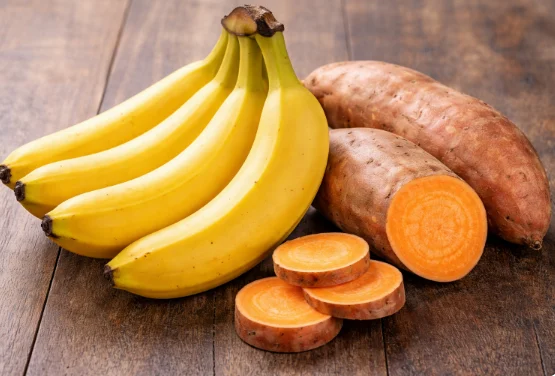
Bananas and sweet potatoes are both familiar foods, rich in nutrients and good for your health.
2. Which type is better for stabilizing blood sugar?
For those concerned about blood sugar stability, sweet potatoes are often considered a superior choice. Bananas contain many simple carbohydrates, mainly fructose and glucose – sugars that are absorbed quickly and can cause a temporary spike in blood sugar.
Simple sugar content:
- Bananas: Fructose 5.72g; glucose: 5.88g.
- Sweet potato: Fructose: 0.57g; glucose: 0.65g.
Conversely, sweet potatoes are rich in complex carbohydrates, which take longer to digest, helping to release energy slowly and prevent sudden spikes in blood sugar.
However, it's important to emphasize that neither bananas nor sweet potatoes are "bad" foods for people with diabetes, as long as they are consumed correctly and in appropriate portions. When not eaten overripe, both are considered low-glycemic index foods.
3. Resistant starch – a plus for both foods.

A notable commonality between bananas and sweet potatoes is their content of resistant starch – a type of carbohydrate that is not completely digested in the small intestine.
Resistant starch helps stabilize blood sugar, supports the growth of beneficial gut bacteria, and contributes to improved insulin sensitivity... You'll get more resistant starch from eating unripe bananas, cooked sweet potatoes that have cooled down, etc.
4. Comparison of outstanding nutritional values
Although both are healthy sources of carbohydrates, bananas and sweet potatoes excel in different micronutrients:
Potassium: 542 mg/medium-sized baked sweet potato; 422 mg/medium-sized banana. Potassium plays an important role in regulating blood pressure and maintaining fluid balance.
Vitamin C: Sweet potatoes contain twice the amount of vitamin C as bananas, supporting immunity, collagen synthesis, and providing antioxidant benefits.
Vitamin A (beta-carotene): Sweet potatoes are very high in beta-carotene – a precursor of vitamin A, which is essential for vision and the immune system.
Folic acid: Bananas contain 23.6 µg/fruit; sweet potatoes contain 6.84 µg/potato. Folic acid plays an essential role in DNA synthesis and genetic material.
5. When should you choose bananas, and when should you choose sweet potatoes?
The choice of which foods to eat depends on your specific health goals:
- Quick and convenient snack: Bananas are easy to carry and require no preparation.
- Boosting immunity: Sweet potatoes excel thanks to vitamins A and C...
- Post-workout recovery: Both provide carbohydrates, potassium, and a certain amount of protein.
- Cardiovascular support: Both help replenish potassium, which is beneficial for blood pressure.
- Improves gut health: The fiber and resistant starch in both help nourish beneficial bacteria.
6. Suggestions for incorporating bananas and sweet potatoes into your daily diet.
These foods are both affordable and versatile in their preparation:
- Add bananas to oatmeal or yogurt.
- Use mashed sweet potatoes instead of rice.
- Roasted sweet potatoes are served as a side dish with main meals.
- Blending bananas into a smoothie creates a natural sweetness.
- Add baked sweet potatoes to the salad...
There are no "best foods for everyone," only choices that best suit your health goals. Sweet potatoes have a clear advantage in blood sugar and weight management, while bananas remain a quick, convenient, and nutrient-rich source of energy. Flexibly combining both will help build a balanced and sustainable diet.
Readers are invited to read more: