The unique behavior of leaf-cutting ants and its impact on the ecosystem.
Vietnam.vn EN
18/01/2026 00:04:00
Leaf-cutting ants build complex nests, use bacteria to protect fungi, and have both positive and negative impacts on the environment and agriculture.
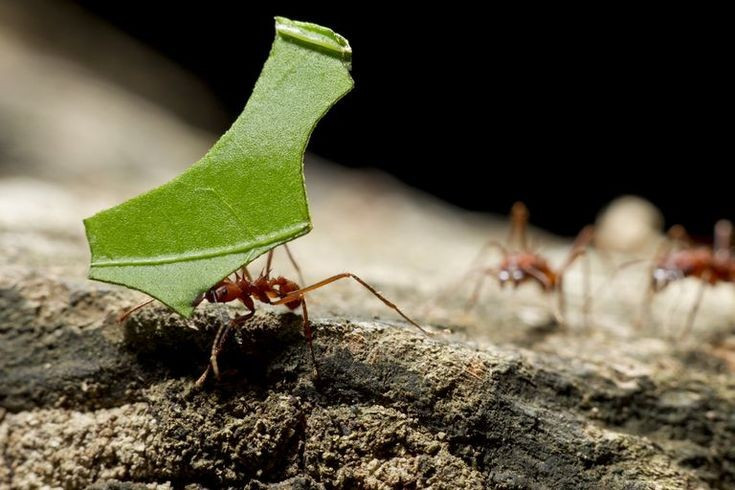
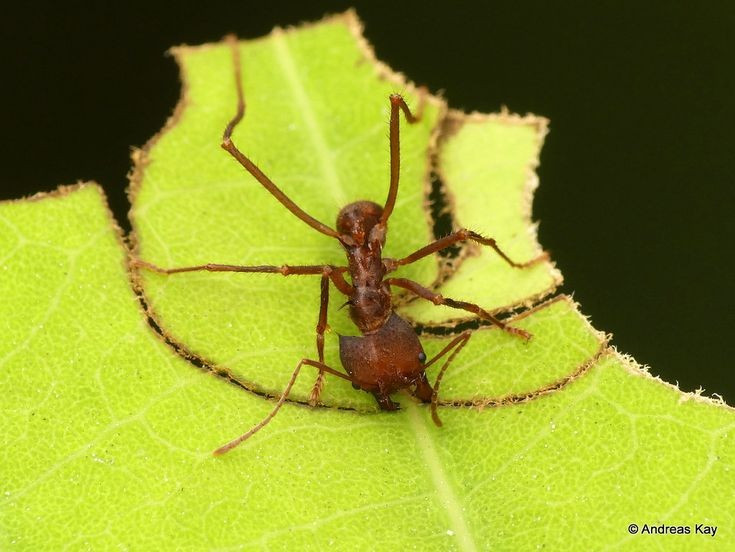
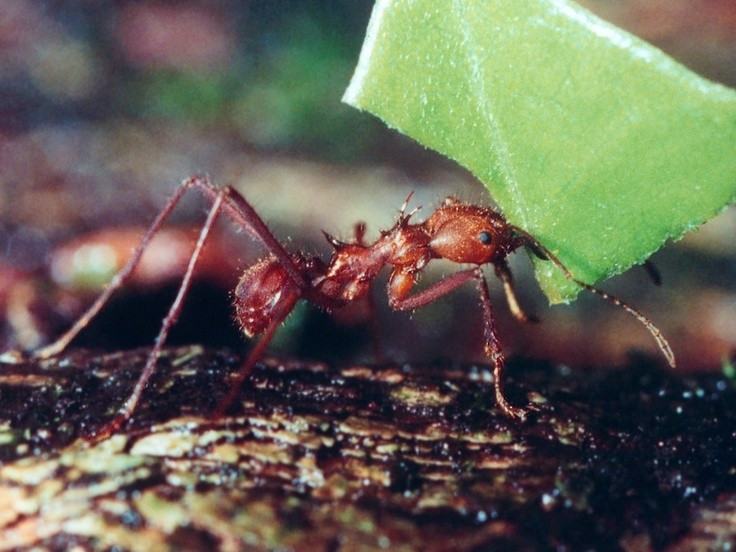
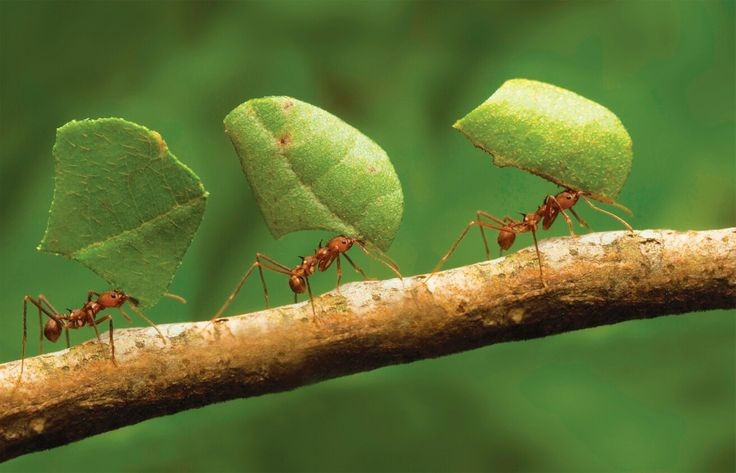
Instead of eating the leaves, the ants use them to grow mushrooms. Leaf-cutting ants don't directly consume the leaves; instead, they use them as a substrate to cultivate a specialized type of mushroom, the main food source for the entire colony. Photo: Pinterest.
They are the oldest "farmers" on Earth. The mushroom-growing behavior of leafcutter ants has existed for tens of millions of years, much earlier than human
agriculture . Photo: Pinterest.
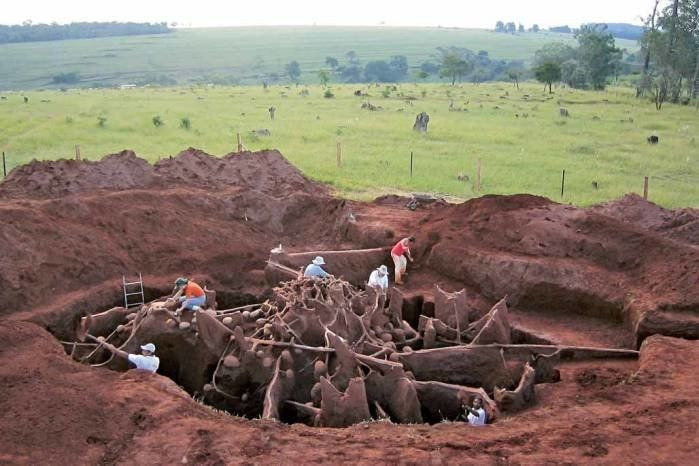
Ant colonies have an extremely complex structure. A leafcutter ant colony can be hundreds of square meters in size, containing many separate chambers for fungi, larvae, waste, and the queen ant's dwelling. Photo: Pinterest.
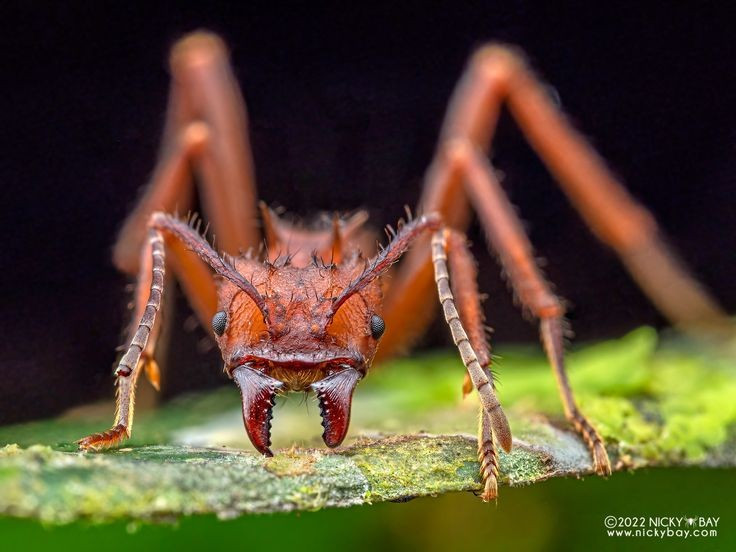
Society is clearly stratified. In a colony of leafcutter ants, each individual has a specific role: leafcutter ants, transport ants, mushroom caretakers, soldier ants, and a queen for reproduction. Photo: Pinterest.
Queen ants have an incredible lifespan. A queen ant can live for over 15 years and lay millions of eggs throughout her life, sustaining the entire colony. Photo: Pinterest.
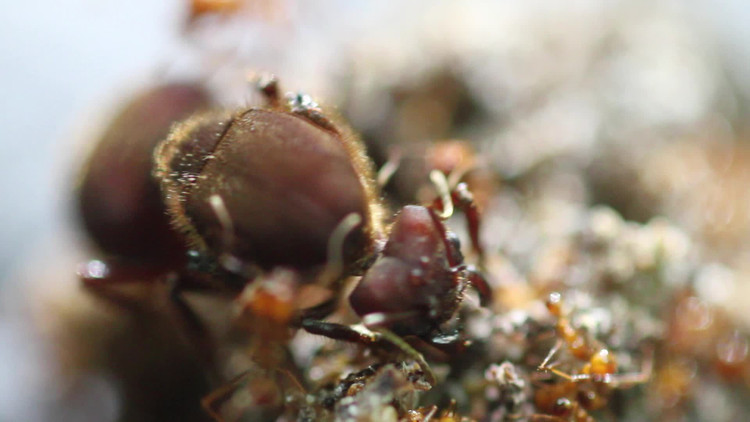
Using natural "antibiotics," leaf-cutting ants carry symbiotic bacteria that secrete antifungal substances, protecting the mushroom garden from dangerous parasitic fungi. Photo: Pinterest.
It has a significant impact on the forest ecosystem. The large-scale cutting of leaves helps leaf-cutting ants contribute to vegetation regeneration, improve soil fertility, and promote the nutrient cycle. Photo: Pinterest.
Both a biological wonder and an agricultural "enemy," leaf-cutting ants, despite their vital ecological role, also cause significant damage to crops, making them an insect that requires both study and control. Photo: Pinterest.
The article continues below the video.
Recommended video
We invite our readers to watch
the video : Living with Wolves / VTV2
This article is provided by Vietnam.vn EN, authorized for use, and represents solely the author’s personal opinions. Please contact us in the event of any potential infringement.