



Peanut allergy is one of the most serious and common food allergies in the world, and even a very small amount of peanuts can trigger a strong allergic reaction in sensitive individuals.
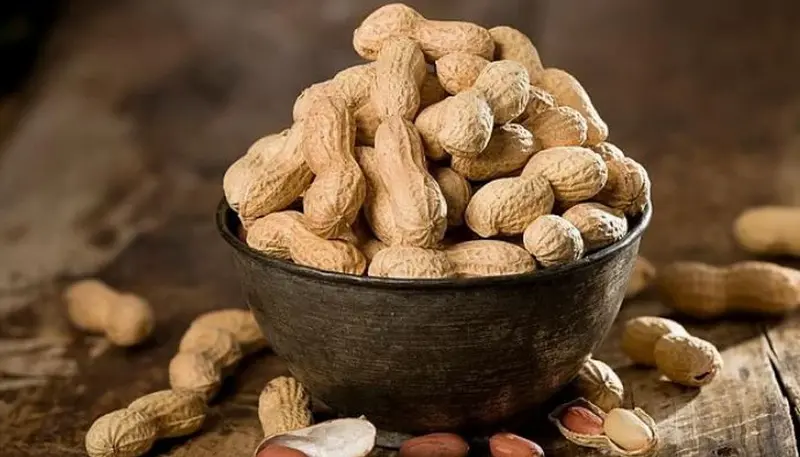
Peanuts are a familiar food in the meals of many Vietnamese families. With a relatively high content of protein, fat, and minerals, peanuts are often considered a nutritious food that is easy to prepare and inexpensive.
However, peanuts are not suitable for everyone. In fact, if consumed improperly or if you belong to a high-risk group, peanuts can cause many worrying health problems. So, who needs to be cautious when eating peanuts?
People with peanut allergy
Peanut allergy is one of the most serious and common food allergies worldwide . Even a very small amount of peanuts can trigger a severe allergic reaction in sensitive individuals. Symptoms may include hives, itching, swelling of the lips and tongue, difficulty breathing, abdominal pain, vomiting, and in severe cases, anaphylactic shock, which can be life-threatening.
The worrying thing is that peanut allergies often last a lifetime and there is no cure. Therefore, people with a history of peanut allergies should absolutely avoid them and be cautious with processed foods that may contain traces of peanuts.
People with liver disease
Peanuts contain a relatively high amount of fat. When consumed in large quantities, the liver has to work continuously to metabolize the fat, which can easily overload those with pre-existing liver conditions such as fatty liver disease, hepatitis, or cirrhosis.
In particular, poorly stored peanuts risk contamination with aflatoxin – a potent mold toxin classified by the World Health Organization as a leading cause of liver cancer. People with weak livers who regularly eat moldy peanuts or roasted peanuts that have been stored for a long time may increase their risk of serious liver damage.
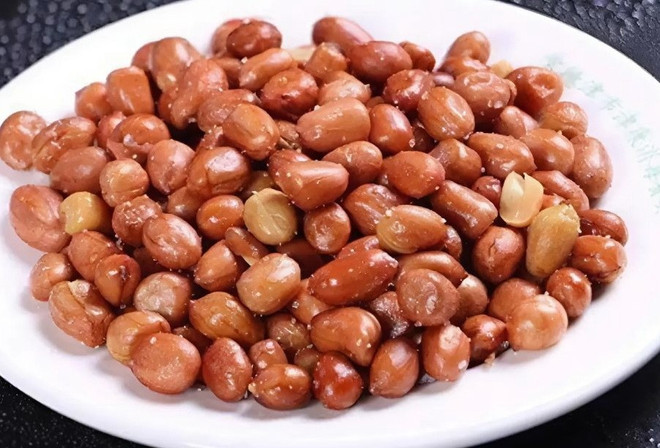
People with poor digestion or who frequently experience bloating.
Because they are rich in fats and plant-based proteins, peanuts are difficult for some people to digest, especially the elderly or those with digestive disorders such as gastritis, colitis, or irritable bowel syndrome.
Eating too many peanuts can cause bloating, gas, indigestion, stomach pain, or diarrhea. For people with sensitive stomachs, consuming roasted or fried peanuts further increases the risk of irritating the stomach lining.
People with gout and metabolic disorders
Peanuts contain purines, compounds that are metabolized into uric acid in the body. For people with gout or high blood uric acid levels, eating a lot of peanuts can increase the risk of acute gout attacks, causing swelling and severe pain in the joints.
Additionally, people with metabolic syndrome or type 2 diabetes need to control their peanut consumption due to its high calorie content, which can easily lead to weight gain if eaten without control.
People who want to lose weight
Despite containing many beneficial nutrients, peanuts are very high in calories. Just a small handful of peanuts can provide the same amount of calories as a snack. If eaten in large quantities without controlling portion sizes, peanuts can easily become the "culprit" causing rapid weight gain, counteracting weight loss goals.
Nutritionists recommend that if you are trying to lose weight, you should only eat peanuts in very small quantities, preferably boiled or dry-roasted peanuts, and avoid fried peanuts, salted peanuts, or sugared peanuts.

People with cardiovascular disease and high blood pressure
Natural peanuts are not bad for cardiovascular health, but processed peanut products such as salted roasted peanuts or seasoned peanuts often contain high amounts of salt. Regular consumption can increase blood pressure, cause water retention, and worsen cardiovascular conditions.
Additionally, the fats in peanuts, if oxidized due to high-temperature roasting or prolonged storage, can also create compounds that are detrimental to cardiovascular health.
Pregnant women and young children
Pregnant women need to be especially cautious about moldy peanuts or peanuts of unknown origin due to the risk of aflatoxin contamination. Young children, especially those under 5 years old, are also susceptible to peanut allergies and may experience severe reactions that are difficult to manage.
Therefore, giving peanuts to children requires careful monitoring and should be avoided entirely if there is a family history of allergies.
How to eat peanuts safely?
Experts recommend eating only fresh peanuts that are not moldy and do not have any strange odors. Peanuts should be stored in a dry, cool place and used within a short time after processing. Do not eat roasted peanuts that have been stored for a long time, or peanuts that taste bitter or have changed color.
More importantly, peanuts should not be considered a "eat as much as you want" food. Their consumption should be appropriate for each individual's physical condition and health status.