



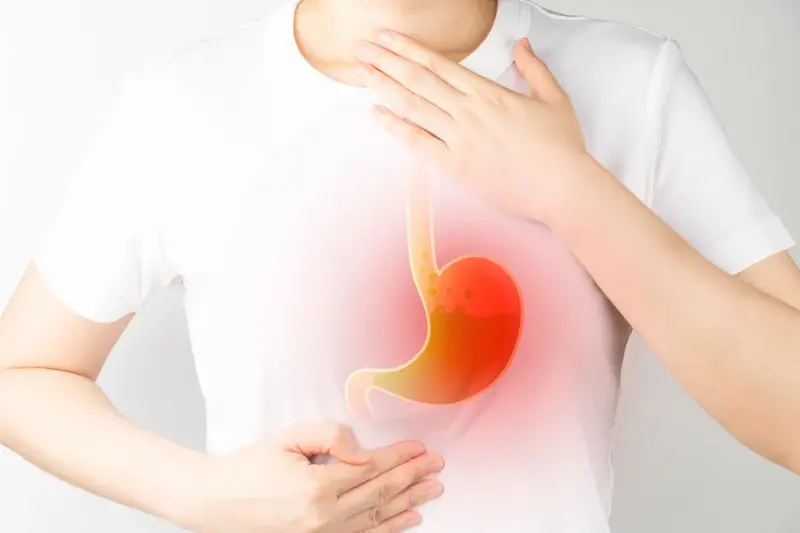
Gastroesophageal reflux is a condition where stomach acid flows back up into the esophagus, causing a burning sensation behind the breastbone, heartburn, acid reflux, and discomfort in the upper abdomen.
This is a fairly common digestive disorder in modern society, with an increasing trend due to sedentary lifestyles, unhealthy diets, and prolonged stress. If left undetected and untreated, gastroesophageal reflux disease (GERD) can cause many dangerous complications, seriously affecting the quality of life and long-term health of patients.
Under normal physiological conditions, when we eat and drink, food travels from the mouth down the esophagus. The lower esophageal sphincter (LES) relaxes to allow food and liquids to enter the stomach, then quickly contracts to prevent gastric reflux. The stomach secretes hydrochloric acid (HCl) and the enzyme pepsin to digest food, especially proteins. Thanks to a special protective barrier, the gastric mucosa is less damaged by its own acid and digestive enzymes.
However, when the lower esophageal sphincter is weakened, does not close completely, or abdominal pressure increases, gastric contents (including HCl acid, pepsin, partially digested food, etc.) can reflux into the esophagus. The esophageal mucosa does not have the same protective mechanisms as the stomach, so prolonged exposure to acid quickly leads to irritation, inflammation, and damage. This is the pathogenesis of gastroesophageal reflux disease.
Gastroesophageal reflux disease (GERD) is divided into two main types.
- Esophageal reflux: Stomach acid damages the lining of the esophagus, manifesting as typical symptoms such as heartburn, burning sensation behind the breastbone, chest pain, and difficulty swallowing.
- Extraesophageal reflux: Stomach acid refluxes upwards, affecting organs outside the esophagus such as the larynx, throat, respiratory tract, teeth, mouth, ears, nose, and throat… Patients may experience persistent dry cough, hoarseness, chronic pharyngitis, recurrent sinusitis, and tooth enamel erosion.
1. Causes of gastroesophageal reflux
The most common cause of gastroesophageal reflux is excess stomach acid combined with a weakened lower esophageal sphincter. Some common risk factors include:
Side effects of certain medications such as blood pressure medication, glucagon, non-steroidal anti-inflammatory drugs (ibuprofen, aspirin...). Unhealthy eating habits: consuming a lot of processed foods, fast food, greasy and spicy foods; drinking carbonated drinks; overeating or eating too quickly.
Use of stimulants: tobacco, alcohol, coffee. Presence of related medical conditions: hiatal hernia, peptic ulcers, esophagitis, pyloric stenosis, weakened esophageal sphincter. Overweight and obesity increase intra-abdominal pressure, facilitating gastric reflux into the esophagus.
Unhealthy eating habits: consuming a lot of processed foods, fast food, greasy foods, spicy foods, etc.
2. Harmful effects and dangerous complications
The stomach has a protective barrier against the corrosive effects of acid and digestive enzymes. Meanwhile, the mucous membranes of the esophagus, respiratory tract, and oral cavity lack similar protective mechanisms. Therefore, when gastric reflux occurs frequently, these organs are easily damaged, leading to various complications.
- Esophageal ulcer
Repeated exposure to gastric acid erodes and inflames the esophageal lining, causing ulcers. Patients often experience burning pain behind the breastbone, a burning sensation in the throat, nausea, loss of appetite, and difficulty swallowing. If left untreated, the damage can spread and deepen.
- Esophageal stricture
Chronic inflammation and ulcers lead to the formation of fibrous scars, causing the esophagus to gradually narrow. As a result, patients experience difficulty swallowing, are prone to choking while eating, and suffer from weight loss and malnutrition.
- Respiratory complications
In cases of extraesophageal reflux, gastric acid can reflux into the respiratory tract, causing bronchitis, aspiration pneumonia, chronic sinusitis, persistent dry cough, and hoarseness. Nocturnal reflux can also worsen asthma symptoms.
3. Barrett's esophagus - risk of esophageal cancer
Chronic reflux can alter the cellular structure of the esophageal mucosa, transforming it from stratified squamous epithelium to columnar epithelium, a condition known as Barrett's esophagus. This is a precancerous lesion that increases the risk of esophageal cancer. Statistically, about 10–20% of patients with Barrett's esophagus are at risk of developing esophageal cancer after 10–20 years. The disease often has few obvious symptoms, but regular endoscopy is necessary for early detection.
4. Doctor's advice
Gastroesophageal reflux disease (GERD) has a high recurrence rate, with an estimated 70% of patients experiencing a recurrence within a year if they do not maintain a healthy lifestyle. In addition to medication or surgical intervention when necessary, patients need to implement a comprehensive set of lifestyle changes:
- Maintain a healthy weight and avoid being overweight or obese.
- Do not lie down immediately after eating, and avoid bending over or engaging in strenuous activity after meals.
- Avoid eating too late at night; don't eat at least 2-3 hours before going to bed.
- Stop smoking because cigarettes weaken the lower esophageal sphincter.
- Establish a balanced diet: divide meals into smaller portions, avoid overeating; limit alcohol, coffee, and sugary drinks; reduce foods high in oil and fat.
- Maintain a relaxed state of mind, minimize stress; strike a balance between work and rest, and relax.
In summary: Gastroesophageal reflux disease (GERD) needs to be detected and treated early, right from the onset, to reduce the risk of dangerous complications. When symptoms such as heartburn, acid reflux, and persistent burning sensation behind the breastbone appear, patients should go to a medical facility for examination, accurate diagnosis, and appropriate treatment advice.
Additionally, if you experience serious symptoms such as chest pain, shortness of breath, pain radiating to the jaw, or arm pain, you should see a doctor immediately to rule out other dangerous conditions, especially cardiovascular disease.