


Autumn foliage stretches from North to South.
According to the Japan Meteorological Corporation (JMC), this year's autumn foliage season will vary by region, depending on weather conditions.
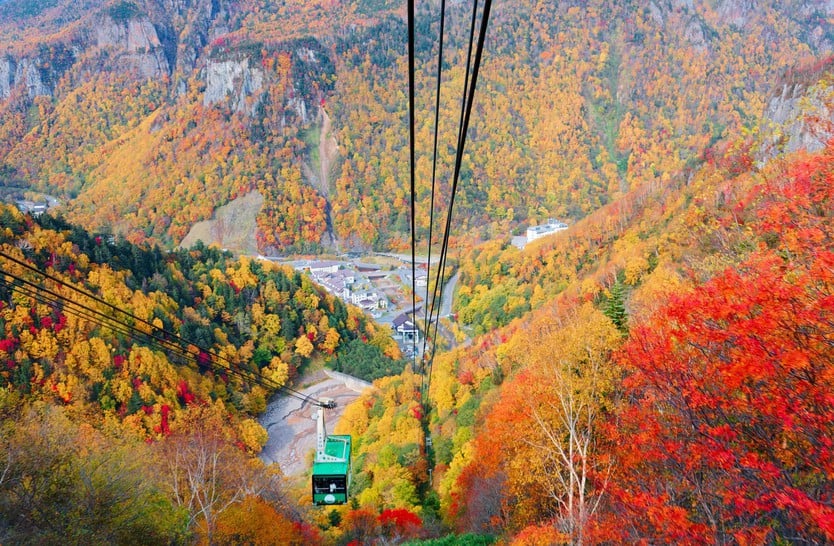
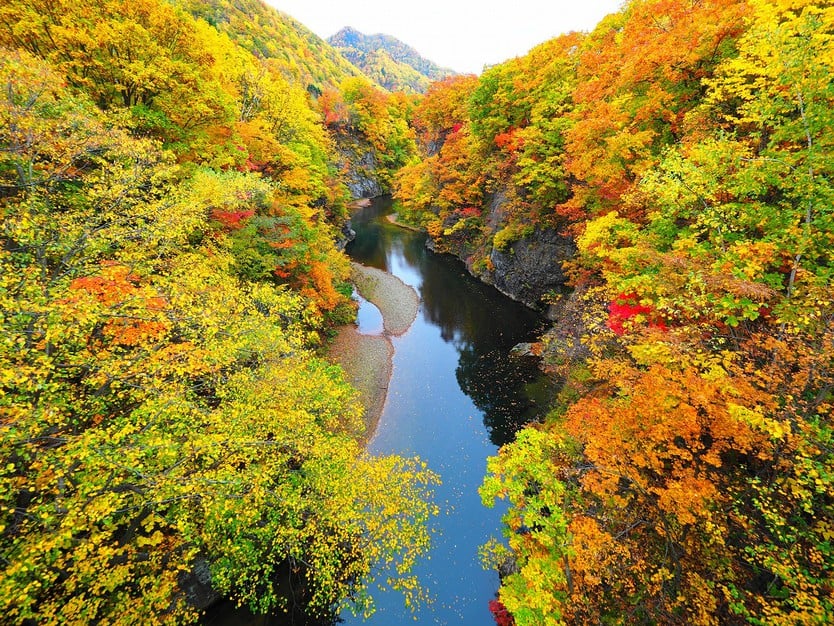
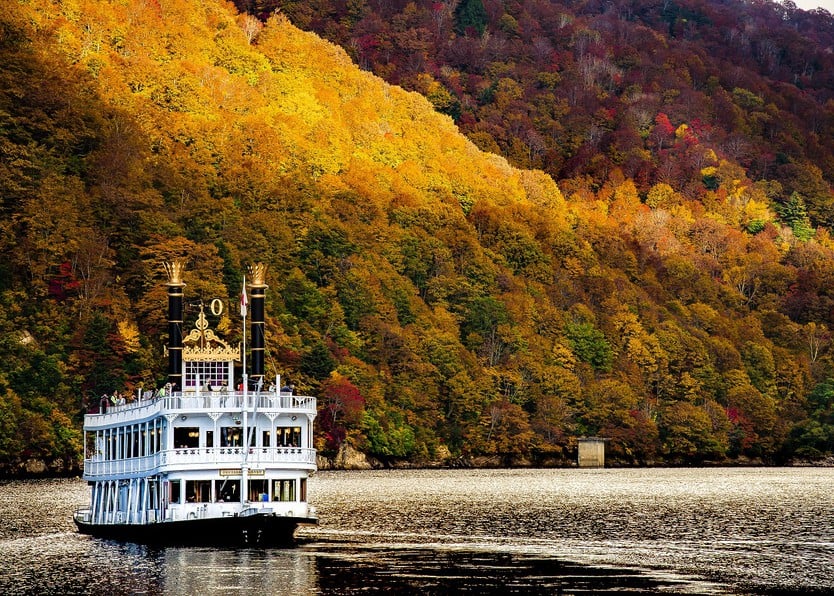
In Tokyo, the autumn foliage is at its most vibrant in late November, while some northern regions, particularly Hokkaido, may begin to change color as early as September and October (Photo: Tokyo Weekender).
JMC divides the leaf coloration process into five stages: aoba , when the leaves are still green; hajime, when the color begins to change; migoro , when the leaves reach their most beautiful autumn hues; iroase , when the leaf color begins to fade; and ochiba , when the leaves turn brown and fall off.
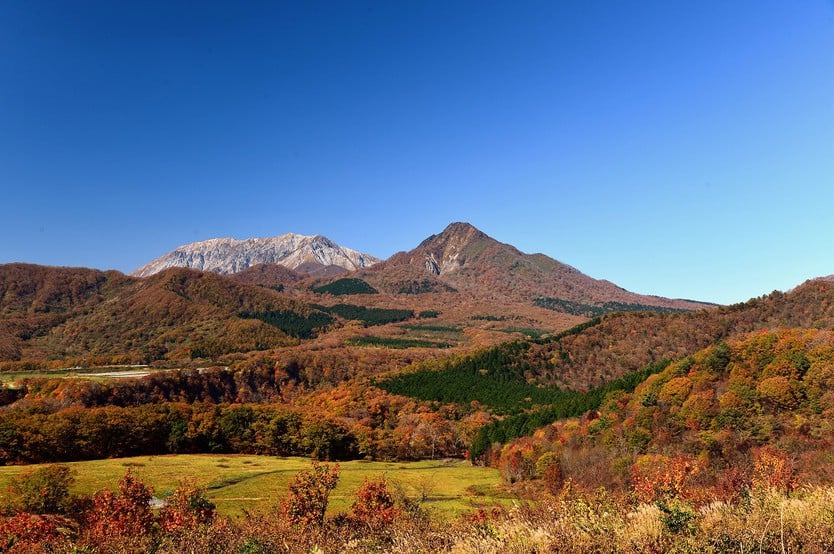
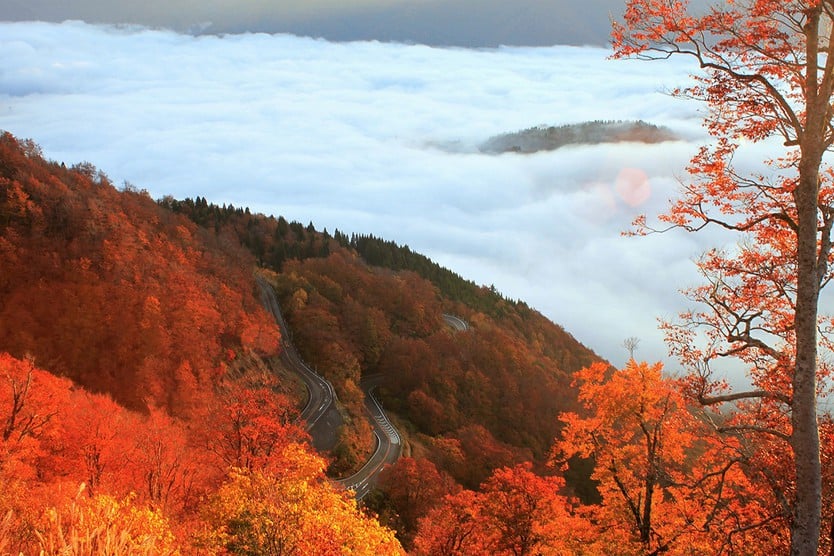
The actual timing may vary depending on weather and local conditions (Photo: Tokyo Weekender)
Japan has over 70% of its land covered by deciduous trees, so visitors can find autumn scenery in many different places, from high mountain regions to urban parks.
The Japanese culture of viewing autumn leaves.
More than just a natural phenomenon, the autumn foliage season (koyo) is deeply intertwined with Japanese culture. Similar to the cherry blossom season with its hanami tradition, autumn has momijigari, meaning "hunting for red leaves."
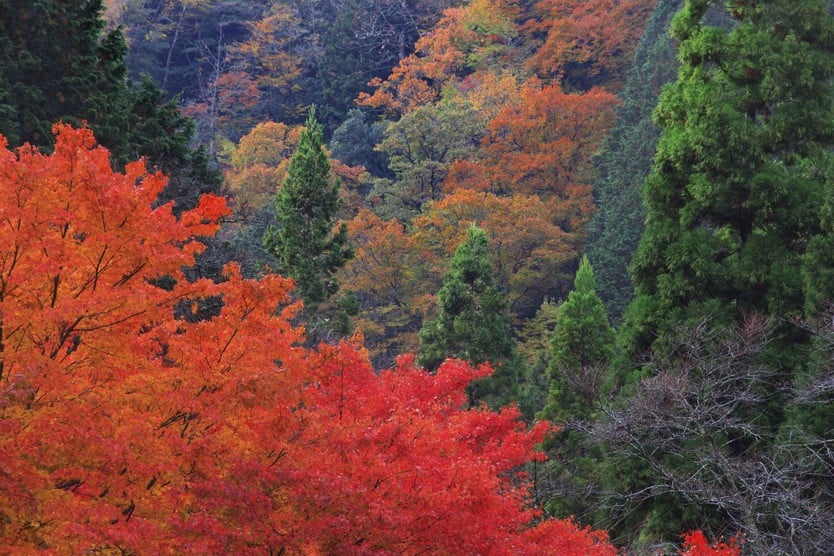
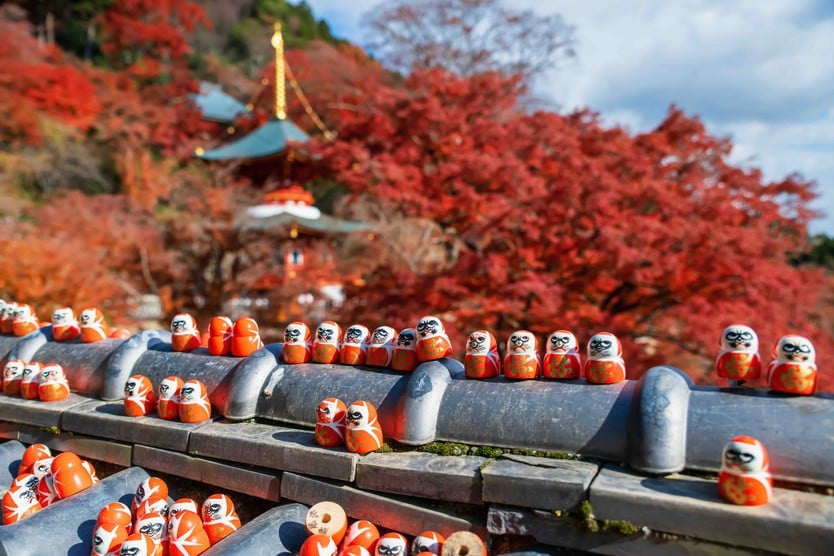
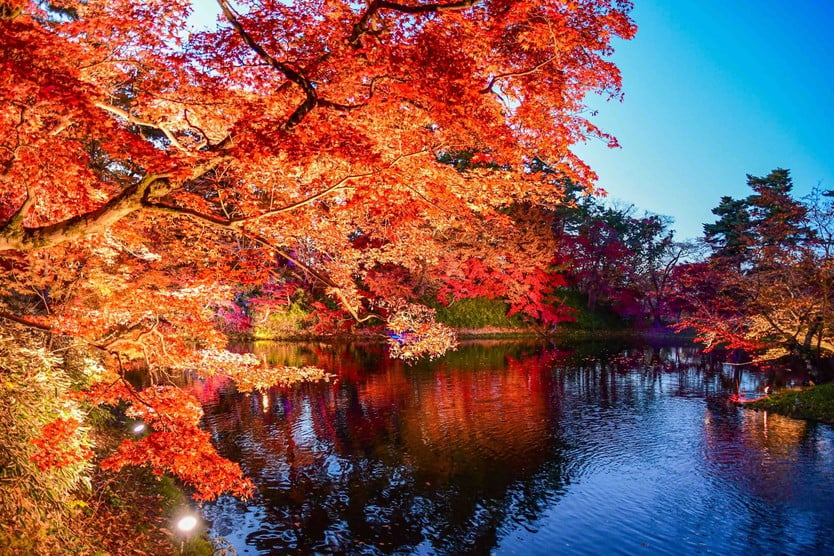
This tradition is believed to have originated during the Heian period, when the aristocracy organized excursions to admire the autumn foliage, combining poetry writing with feasting (Photo: Tokyo Weekender).
Momijigari is also associated with the concept of "mono no aware"—a respectful awareness of the fragile beauty and impermanence of life. Leaves will eventually wither and fall, just as flowers will fade, but it is precisely this brevity that makes the present moment so precious.
Maple leaves, ginkgo trees, and their distinctive colors.
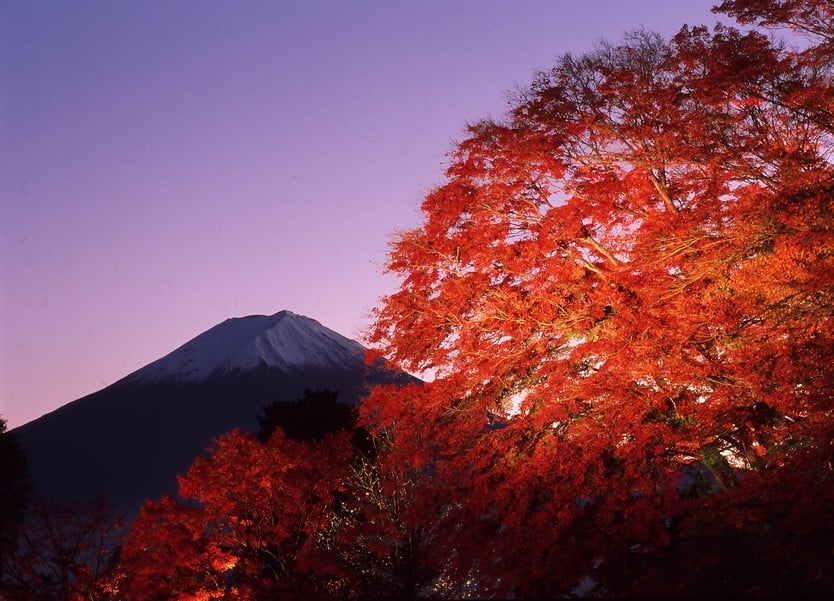
Japanese maple leaves are the most iconic image of autumn. In Japanese, momiji refers both to the maple tree and to the colors of autumn leaves.
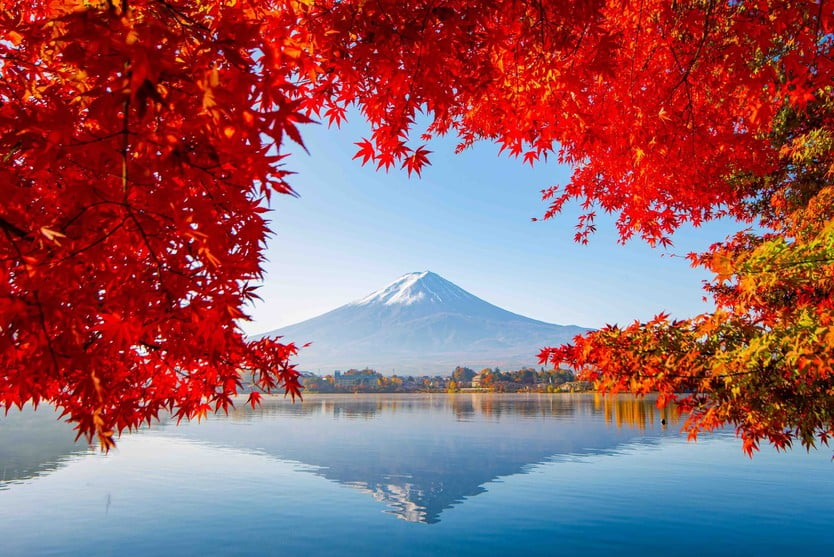
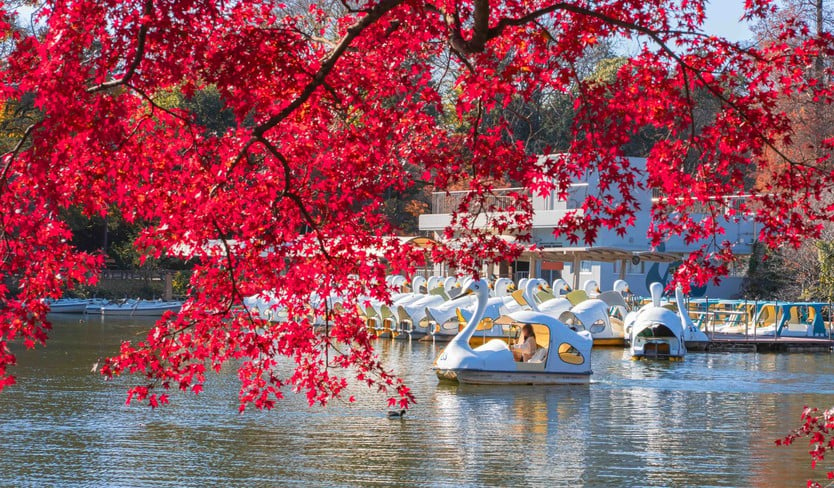
The maple leaves can change from deep red to vibrant red, creating a striking scene when contrasted against the blue sky or the lake's surface (Photo: Tokyo Weekender).
Besides maple leaves, ginkgo trees are also a familiar symbol of autumn in Japan. Their fan-shaped leaves turn a vibrant yellow, creating striking rows of trees in urban areas.
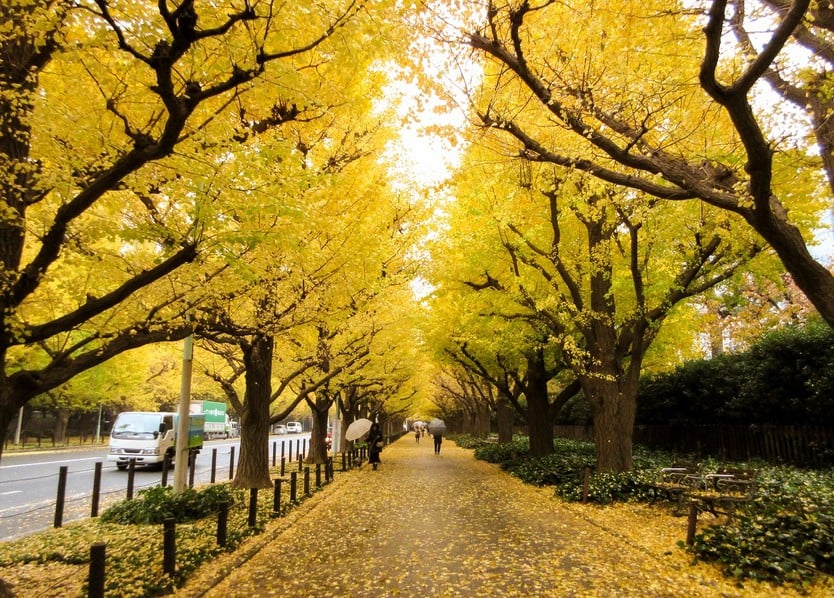
One of the featured locations is Ginkgo Avenue in Meiji Jingu Gaien, Tokyo, where 146 ginkgo trees line both sides of the road (Photo: Tokyo Weekender).
In higher-altitude areas, Japanese camellia (nanakamado) creates patches of red, orange, and yellow on the mountain slopes. When viewed from a distance, these colorful bushes can resemble an autumn carpet draped over the mountain peaks.
Forecasts for autumn foliage can vary depending on actual weather conditions (Photo: Tokyo Weekender)
Visitors are advised to monitor updates from JMC and the Koyo Navi tool to know the extent of color change in each area before planning their trip.