



Waking up with a stiff neck, tight back, or sore hips is not uncommon. A 15-minute morning stretching exercise, performed correctly, can help reduce muscle tension, improve flexibility, and enhance blood circulation.
1. Why do I feel muscle tension when I wake up?
Many people start their mornings feeling sluggish, with stiff neck and shoulders, lower back discomfort, or dull hip pain. These symptoms often appear immediately after getting out of bed and can last for hours without proper exercise.
Morning muscle stiffness can stem from various causes, such as: prolonged sitting during the day, improper sleeping posture, prolonged stress, lack of exercise, or sleeping on a mattress that doesn't provide sufficient support. Additionally, dehydration and psychological stress can also contribute to reduced flexibility in muscles and joints upon waking.
Throughout the night, the body remains almost completely still for hours. This lack of movement reduces blood flow to muscles and joints, causing soft tissues to become less elastic. This is why many people experience stiffness and aches and pains at the start of the day.
Gentle stretching in the morning helps to safely "awaken" the musculoskeletal system. Slow movements increase blood flow, improve oxygen supply to muscles and joints, and support the nervous system in gradually transitioning from a resting to an active state; reducing tension in the neck, shoulders, back, and hips – areas often under significant pressure due to daily posture and work.
No intense workouts are necessary; just a simple 15-minute series of stretching exercises each morning is enough to improve flexibility and reduce lingering muscle soreness throughout the day.
1. Benefits of morning stretching
Maintaining a morning stretching routine not only provides immediate results but also offers numerous long-term benefits for physical health:
- It improves posture and spinal function, helping the body to move with better balance.
- Reduces back pain, neck pain, and shoulder pain, especially in people who are sedentary or sit for long periods.
- Increases flexibility and range of motion in the joints.
- Increase blood flow and the amount of oxygen supplied to the body.
- Reduces stress and helps you relax.
More importantly, morning stretching helps the body transition smoothly from rest to activity, reducing the risk of muscle strain or soreness when starting the day's activities.
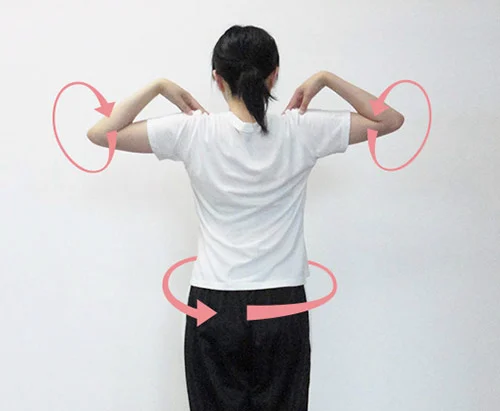
Perform shoulder rotations – a gentle stretching exercise that requires no special equipment or skills.
2. Simple 15-minute morning stretching exercises that are easy to do.
This stretching exercise doesn't require any special equipment or skills. You just need a mat or a comfortable, flat surface.
2.1. Shoulder rotation and neck stretching
Gently rotate your shoulders forward and then backward; then, slowly tilt your head from side to side, holding each position for a few seconds. This exercise helps reduce tension in the neck, shoulders, and upper back, especially for those who frequently use electronic devices or work in an office.
2.2. Cat-Cow Pose
Start in a position with all fours on the floor:
- Inhale, arch your back downward, and lift your head up (cow pose).
- Exhale, arch your back upwards, and lower your head (cat pose).
This series of rhythmic movements helps increase spinal flexibility, supporting the reduction of stiffness and alleviating lower back pain.
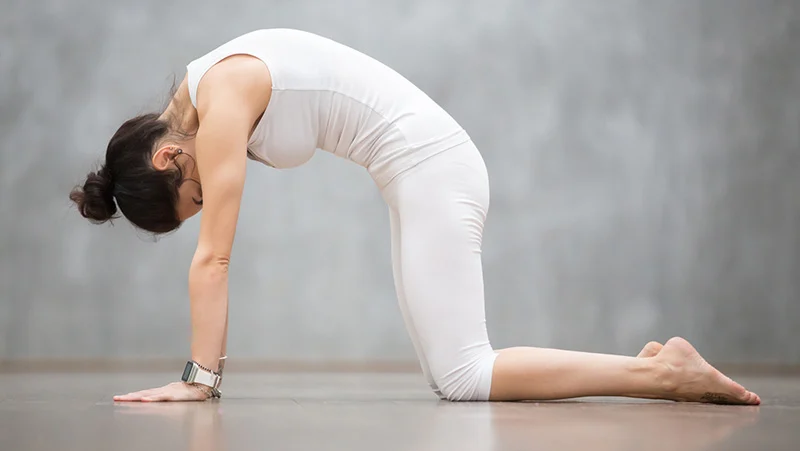
Cat-cow pose.
2.3. Bend forward
Stand upright, then slowly bend forward, letting your arms hang loosely at your sides; keep your knees slightly bent, not locked. This is an effective stretch for the hamstrings, calves, and lower back – muscle groups that often become stiff after a long night of inactivity.
2.4. Hamstring stretching combined with hip opening
Step one foot forward, lowering your center of gravity into a lunge position, hold for a few breaths, then switch sides. Tight hips are a common cause of morning stiffness, especially in people who sit a lot. This exercise helps improve flexibility in the hips and thighs.
2.5. Full body stretching combined with deep breathing
Lie on your back with your arms and legs extended, head slightly raised; breathe deeply and slowly, focusing on your breath. This movement helps relax the entire body, calm the nervous system, and provides a gentle end to the stretching exercise.
3. How can I stretch my muscles most effectively in the morning?
To ensure your morning stretching exercises are effective, keep in mind a few basic principles:
- Stretch gently, without tensing your muscles.
- Pay attention to breathing deeply and evenly, avoiding holding your breath.
- Maintaining this daily routine will yield noticeable results over time.
- Drink a glass of water after stretching to rehydrate your body.
If you frequently wake up feeling stiff, sore, or sluggish, a 15-minute morning stretching exercise can make a noticeable difference. Gentle movements help relax the body, reduce muscle tension, and leave you feeling refreshed and ready for a more energetic day.