



During cold weather, a warm bowl of soup not only helps warm the body but also provides essential nutrients, supporting immunity and digestion.
1. Why is soup an ideal choice in winter?
- 1. Why is soup an ideal choice in winter?
- 2. Some warming soups that are good to eat in winter.
- 2.1. Tomato soup is rich in antioxidants and good for cardiovascular health.
- 2.2. Chicken soup helps boost immunity.
- 2.3. Lentil soup provides a rich source of plant-based protein and fiber.
- 2.4. Vegetable soup is rich in vitamins and minerals.
- 2.5. Spinach and corn soup provides energy, keeps you feeling full for longer, and doesn't cause weight gain.
Winter is a time when the body expends more energy to maintain body temperature, while the immune system is more easily weakened by the cold and dry weather. Hot dishes, especially soup, are considered ideal choices because they warm the body quickly, are easy to digest, and help absorb nutrients more effectively.
Scientifically speaking, warm, liquid foods stimulate blood circulation, support digestive function, and provide a lasting feeling of fullness without causing bloating. When prepared correctly, soup can also be a source of protein, fiber, vitamins, and antioxidants – key elements for boosting immunity during the winter months.
2. Some warming soups that are good to eat in winter.
Here are five familiar and highly nutritious soups suitable for various individuals and health goals:
2.1. Tomato soup is rich in antioxidants and good for cardiovascular health.
Tomato soup is a popular dish in winter and is loved by people of all ages for its mild, easy-to-eat flavor. The most notable component of tomatoes is lycopene – a powerful antioxidant that has been shown to protect cardiovascular health and support the immune system.
Interestingly, lycopene is released in greater quantities when tomatoes are cooked, so tomato soup is not only delicious but also more nutritious than fresh tomatoes. Adding garlic, black pepper, and a small amount of healthy fats like avocado or olive oil further enhances the body's absorption of lycopene.
With its low calorie content, low fat, and high antioxidant levels, tomato soup is a suitable choice for those who want to stay warm while effectively managing their weight.
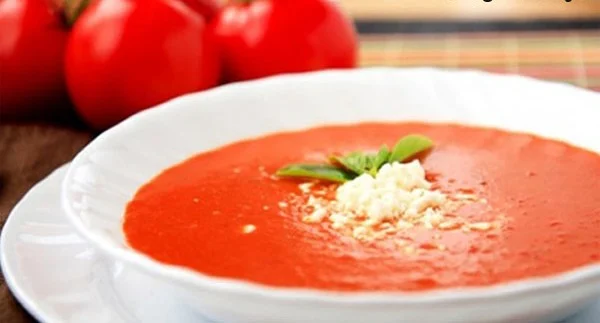
Tomato soup is suitable for those who want to keep warm while still effectively controlling their weight.
2.2. Chicken soup helps boost immunity.
Chicken soup is a great meal on days when you're tired, have a cold, or are feeling weak; it provides high-quality protein, helps maintain muscle mass, and supports the immune system.
Warm chicken broth has a soothing effect on the throat, helping to reduce discomfort from coughing or nasal congestion. When combined with vegetables like carrots and celery, this soup also provides essential vitamins, minerals, and antioxidants for the body.
Chicken soup is easy to digest, puts little strain on the stomach, and is very suitable for dinner in winter or during periods when the body needs recovery.

Chicken soup is perfect for a winter dinner.
2.3. Lentil soup provides a rich source of plant-based protein and fiber.
Lentil soup is highly nutritious. Lentils and mung beans are excellent sources of plant-based protein and fiber, which helps promote satiety, stabilize blood sugar, and support muscle health.
Thanks to its high fiber content, lentil soup is also beneficial for the digestive system and helps maintain a lasting feeling of fullness – an important factor for those who want to control their weight in winter, when food cravings tend to increase.
Adding spices like cumin, turmeric, and ginger not only enhances the flavor of the soup but also provides a warming sensation, aids digestion, and boosts anti-inflammatory properties, according to numerous nutritional studies.

Lentil soup provides a warming sensation, aids digestion, and enhances anti-inflammatory properties.
2.4. Vegetable soup is rich in vitamins and minerals.
Vegetable soup is an ideal choice for those who prefer a light yet nutritious diet. This soup is typically made with carrots, beans, cabbage, spinach, and other seasonal vegetables, providing many essential vitamins, minerals, and antioxidants.
With very little oil, vegetable soup is especially suitable for people who are controlling their weight or want to reduce the burden on their digestive system in the evening. In addition, vegetable soup helps replenish fluids, improve bowel movements, and support digestion, especially on cold days when the body feels less thirsty.
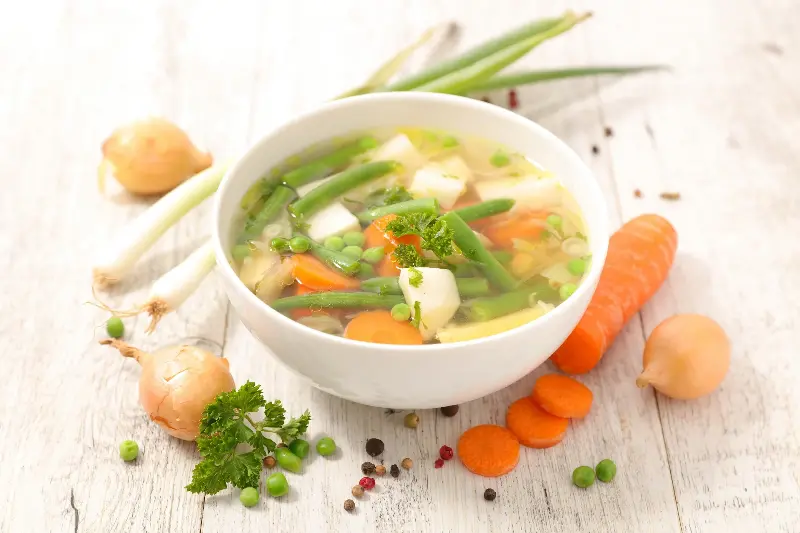
Vegetable soup is suitable for people who are controlling their weight or want to reduce the burden on their digestive system in the evening.
2.5. Spinach and corn soup provides energy, keeps you feeling full for longer, and doesn't cause weight gain.
The combination of spinach and corn creates a soup with a harmonious flavor, both light and nutritious. Spinach provides iron, folate, and antioxidants, contributing to blood formation and overall health.
Corn provides a natural sweetness along with a significant amount of fiber, helping to maintain a feeling of fullness and support digestion. When a moderate amount of cream or milk is added, the soup can become slightly richer and easier to eat while still maintaining its nutritional value. This is a suitable option for days when you need an energy boost but don't want to eat overly greasy dishes, especially during the winter.

Spinach and corn soup is perfect for days when you need an energy boost without too much fat.
See more trending articles: