



You can buy matcha for 100 baht in Bangkok. But some people are willing to pay 39 times that amount for a ceremonial cup of matcha with an elaborate preparation method.
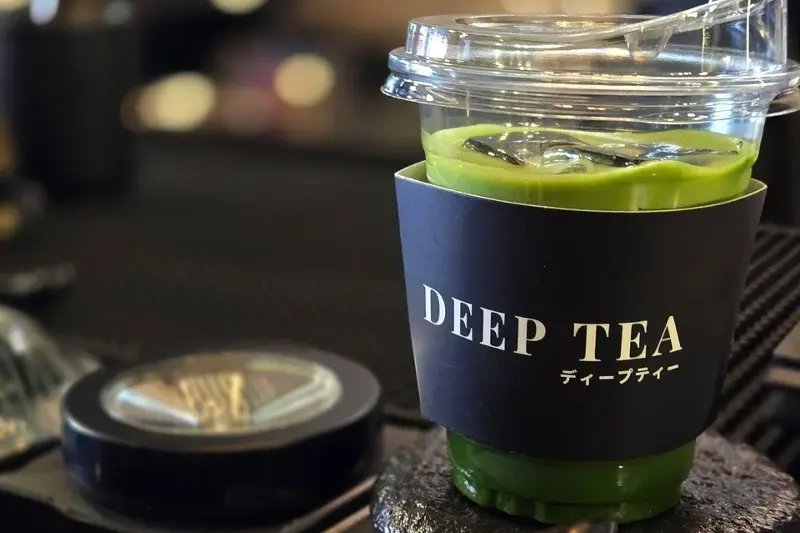
A matcha latte from Deep Tea served in a plastic cup. Photo: Ja'ae Sincere .
Located in Bangkok's bustling Ladprao commercial district, Deep Tea is renowned for selling high-end matcha, self-labeling itself as "luxury."
Each 200ml glass of frothed matcha here costs 3,900 baht (approximately $120 USD , or about 3.2 million VND), which is compared to 39 times the price of matcha in plastic cups on Chatuchak Street or On Nut Street, and equivalent to the price of a dinner for two.
Interestingly, the restaurant is never short of customers.
According to the Bangkok Post , Deep Tea is proof that a single ingredient can be sold at a wide range of prices in Bangkok, depending on the shop you enter. And matcha is what widens the price gap more than most other beverages before it.
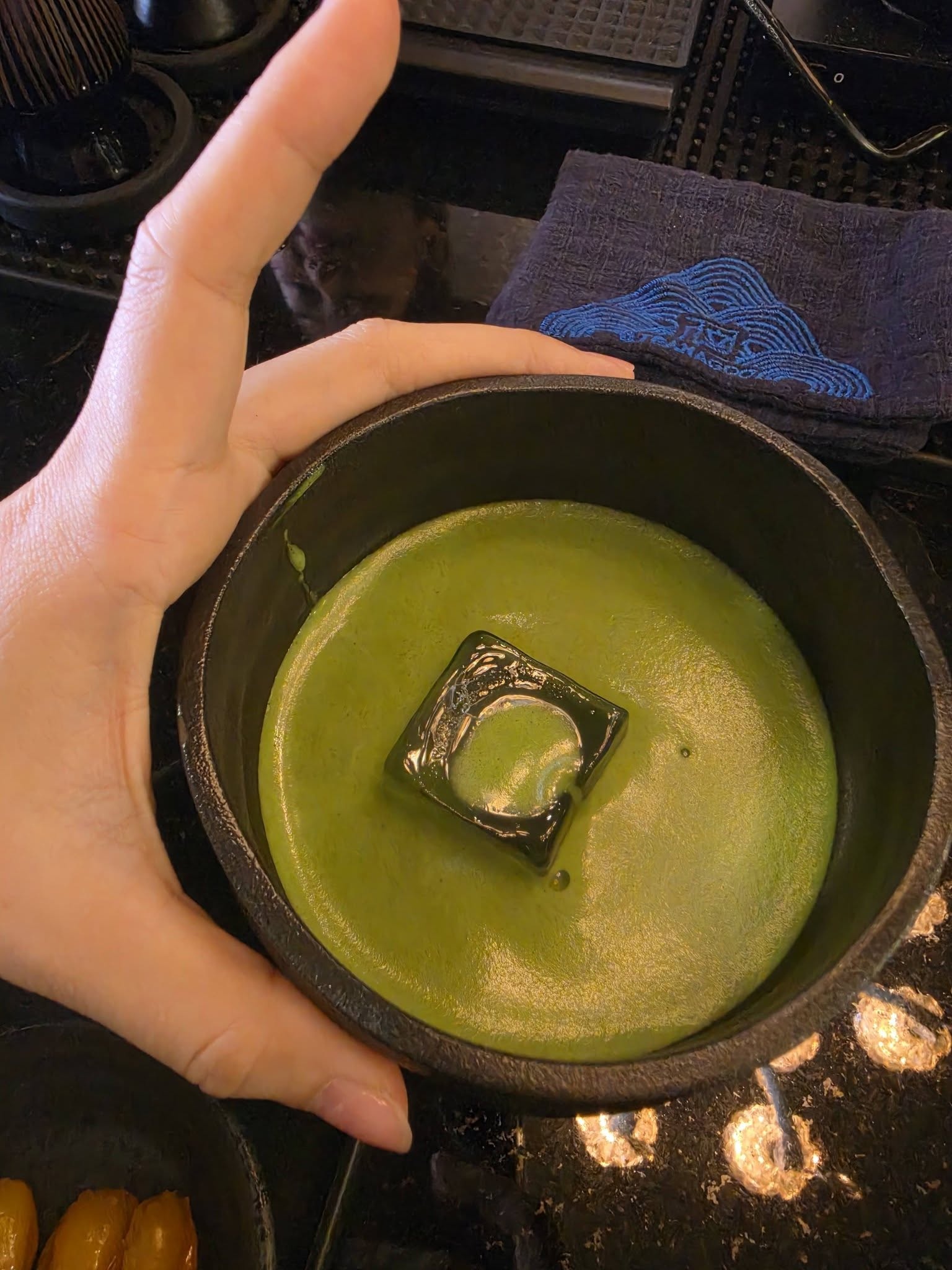
The cafe's 3,900 baht matcha latte has received positive reviews on various social media platforms. Photo: Amm Berdee .
Explaining the exorbitant price, a representative from the shop stated that they use authentic Japanese matcha: Uji matcha powder is ground using a stone mortar and pestle, then whisked with a chansen brush in a ceramic bowl. This method results in a product distinctly different from ordinary matcha drinks.
However, whether it's worth the money depends on individual taste and whether guests have the patience for these rituals.
Like many other culinary trends, matcha in Bangkok began as a visual phenomenon in cafes, with its eye-catching colors and minimalist Japanese aesthetic. From there, it quickly spread to various variations, from cakes and ice cream to milk tea. A shortage earlier this year drove prices up, creating a clear distinction between places using premium matcha and those using more common ingredients.
This differentiation reflects how Bangkok residents consume luxury goods not only for enjoyment but also to express their taste and knowledge, from ceremonial or culinary matcha, first harvest or second harvest tea, ice-ground or machine-ground. A cup of tea costing 3,900 baht is therefore both a beverage and a personal statement.
However, Bangkok is known for its ability to "localize" global luxury brands. Notably, the affordable segment is not only thriving but also flourishing thanks to the ripple effect from high-end products. Curiosity leads consumers to seek out more accessible versions, such as an 80-baht matcha latte in a shopping mall.
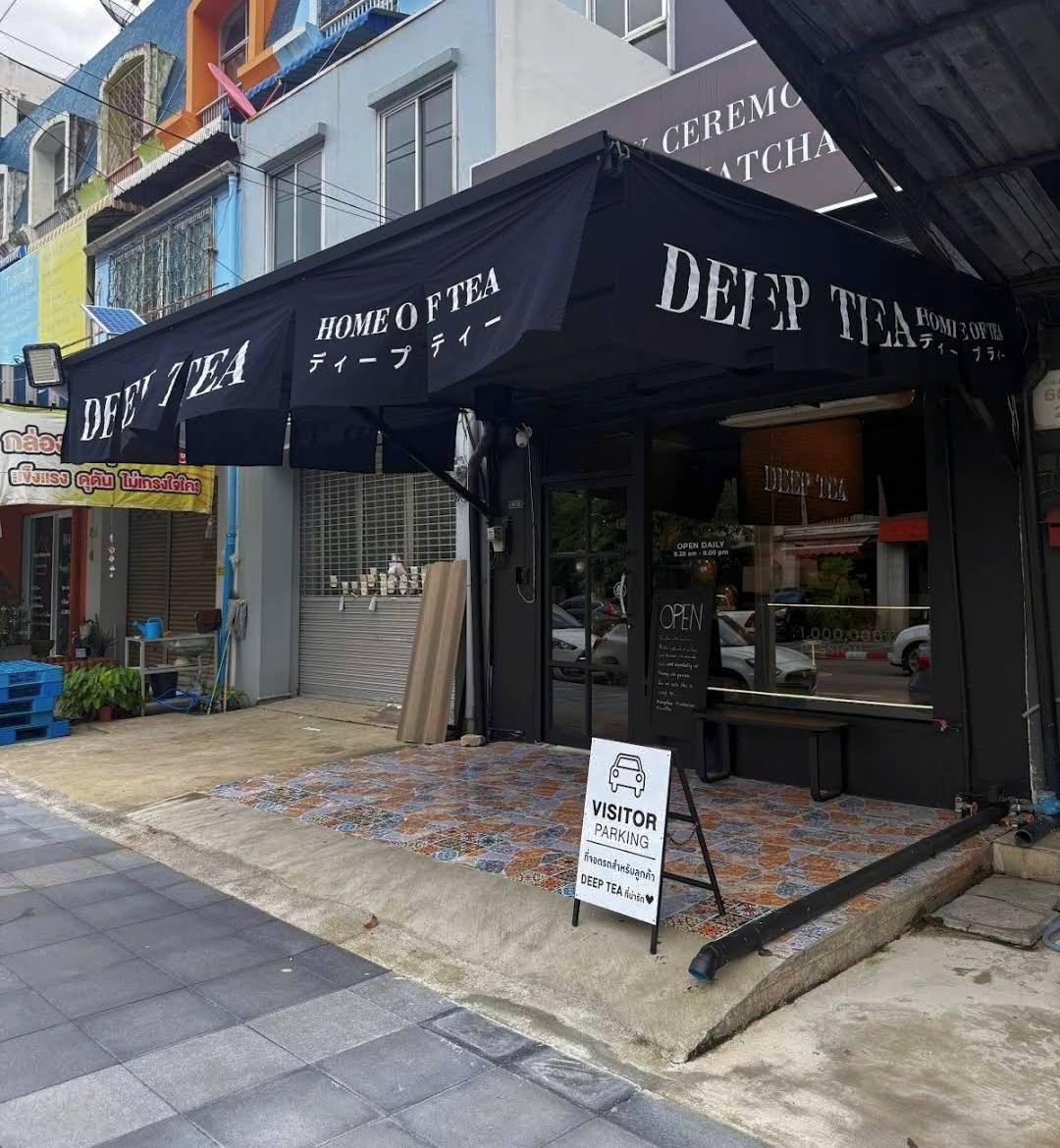
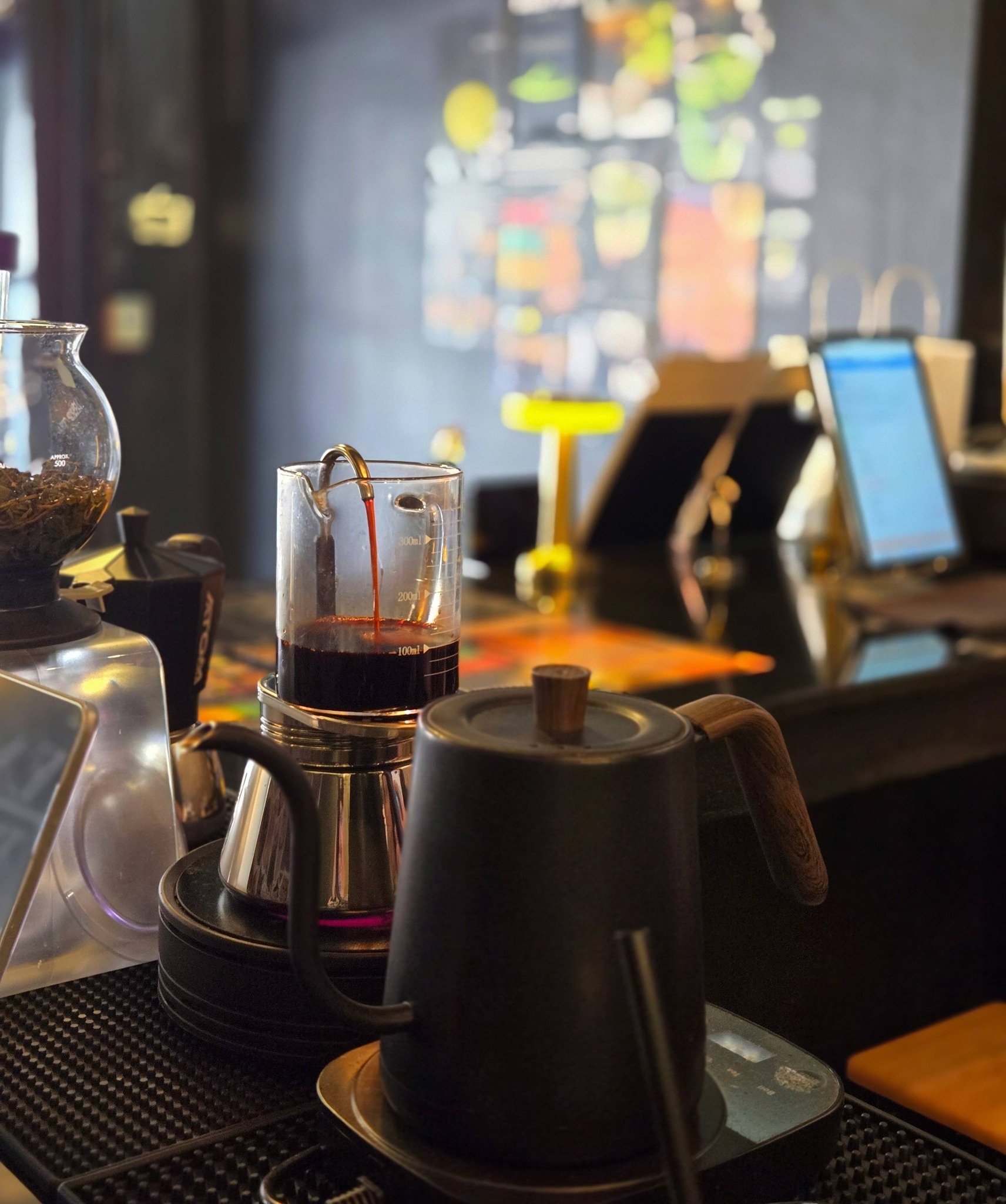
The exterior and interior spaces of Deep Tea in Bangkok. Photo: Ja'ae Sincere.
In 2025, the Thai beverage market witnessed strong growth in matcha. Data from the food delivery platform LINE MAN showed an increase of approximately 300% in orders, equivalent to 6.5 million cups in a year. Matcha lattes, priced at around 60-70 baht, surpassed black coffee to become the most ordered beverage, reflecting a shift in urban consumer habits.
According to Yod Chinsupakul, CEO of LINE MAN Wongnai, matcha is positioned in the mid-to-high segment: it has premium elements, is associated with health benefits, but remains affordable. This positioning helps the product expand its market share and compete directly with coffee, especially as consumers are paying more attention to beverage choices and lifestyle.