


How does Generation Z feel about the city they live in?
For Generation Z, these criteria are becoming increasingly clear. A city that is easy to get around in, has a distinct cultural identity, plenty of green spaces, is easy to make friends in, offers exciting experiences, and most importantly, brings a sense of happiness.
A good city is not measured by its famous landmarks or lists of tourist attractions.
What makes a city attractive in the long run lies in how its residents experience daily life: Is commuting convenient? What are there to explore on weekends? Is it easy to meet new people, find a compatible community, or simply be able to step outside and enjoy the city without spending too much money?
Perhaps that's why Time Out's ranking of the world's best cities for Generation Z in 2026 offers an interesting perspective.
The rankings are compiled from a large-scale annual survey of urban residents worldwide.
Specifically for Generation Z, Time Out and Intrepid Travel focus on feedback from people under 30 and only select the highest-scoring cities in each country.
The results show that cities attractive to young people are not necessarily the most glamorous ones.
These are cities that are vibrant enough yet still feel comfortable, with art, music , food, nightlife, but also parks, nature, and spaces where people can connect with each other.
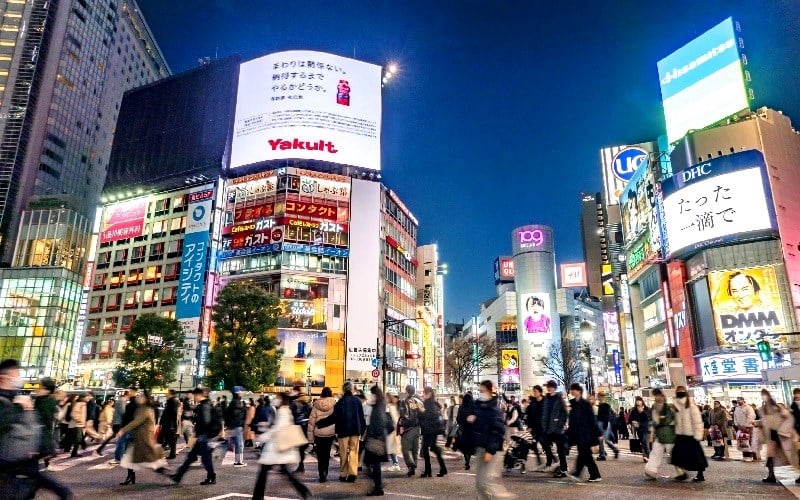
Tokyo tops the list. The Japanese capital offers almost everything Generation Z looks for in a city: walkability, efficient public transportation, a rich cultural life, and countless entertainment options.
What makes Tokyo special is that even an ordinary day can become an experience. Young people can visit exhibitions, watch performances, enjoy a delicious meal, sing karaoke, relax in public baths, or seek out indoor sports and entertainment centers.
Cultural accessibility is also a plus. The city's "Welcome Youth" program allows those under 18 free entry to new exhibitions each spring. The city also has a relatively abundant supply of accommodation compared to many other major cities.
But what propelled Tokyo to the top spot was a very down-to-earth feeling: 100% of Gen Z respondents said they found joy in everyday experiences there. Nightlife also received 89% positive reviews.
That's a thought-provoking perspective: a good city doesn't necessarily have to overwhelm you every day, but rather make ordinary days pleasant.
Beautiful, friendly, and easy to live in.
Porto, Portugal 's second-largest city, ranks second on the list. Porto's appeal stems from the diversity of its living experiences.
There are rivers, the sea, green gardens, a beautiful historical center, and an easily accessible system of cultural institutions. Many museums and cultural sites offer free or discounted admission, giving young people more opportunities to enjoy the arts without spending too much.
Porto's most outstanding feature is its sense of community. 100% of respondents gave this a positive rating. 93% felt the city offered reasonable costs, especially for food, drinks, and access to arts and culture.
And there's one statistic that's sure to bring a smile to people's faces: everyone surveyed described Porto as a "beautiful" city.
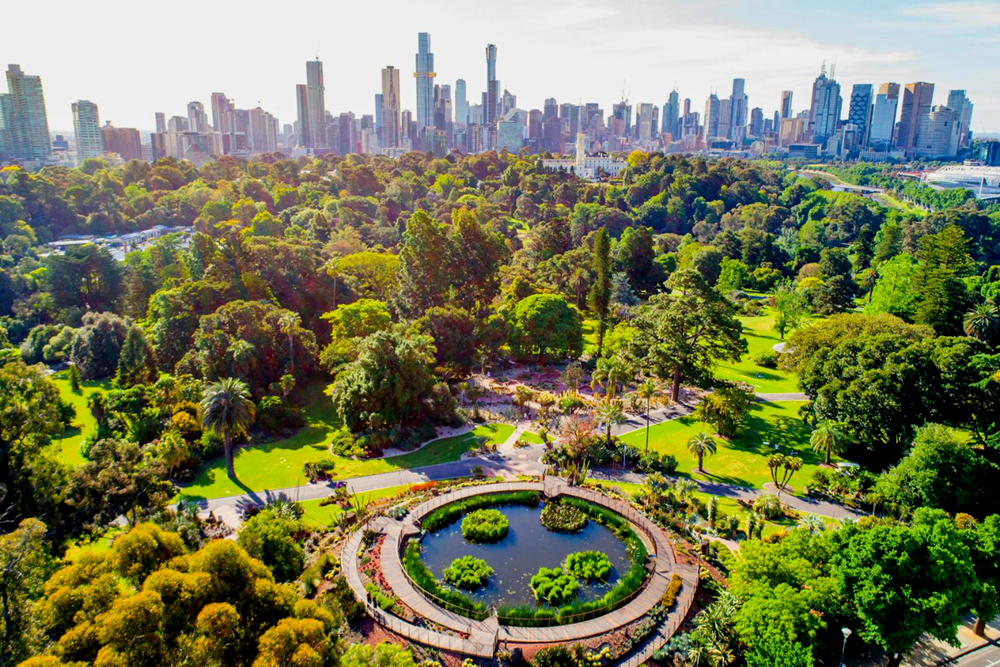
Ranked third, Melbourne stands out as a city of art and creative young people. Independent theater, live music, comedy, improvisation, and special events can be found almost every day of the week.
The city is also creating more space for young people's creative ideas, including a $1 million initiative to support local creators in developing their ideas into complete theatrical productions.
Melbourne isn't a low-cost city, but it still offers budget-friendly options for young people, along with green spaces, public transport, and a thriving student community.
The survey results are quite impressive: 100% of Gen Z respondents gave positive reviews of restaurants and food; 97% rated the cultural life highly; and 94% were satisfied with their neighborhood.
In fourth place is Edinburgh, the capital of Scotland. The city scored points for its green spaces, walkability, restaurants, and cultural life.
But for Generation Z, the biggest appeal comes from nightlife. Clubs and live music venues housed in medieval-style domes create a unique atmosphere. Regular cultural festivals also offer young people many opportunities to access the arts at affordable prices.
Ninety percent of respondents said they were happier living in Edinburgh than anywhere else. Eighty percent rated the quality of life as good, while five percent described the city as safe.
An old city, therefore, can still be a very modern option for young people.

Safe, friendly, and always something new.
Shanghai ranks fifth, notable for its friendly and safe atmosphere. For Generation Z, the city offers a wealth of options to explore: anime conventions, vintage shops, bars, creative spaces, and community gathering places.
The city of Shanghai is also aiming to add more than 250,000 affordable rental apartments near subway stations and areas popular with young people.
76% of those under 30 surveyed said they find it easier to meet new people and make friends. 83% noticed that their sense of happiness in the city has increased recently.
100% of those surveyed believe that going for coffee in Shanghai is reasonably priced.
New York ranks sixth and retains its familiar appeal to young people: energy, novelty, and a feeling that anything is possible.
This is a city for those who like to step outside and instantly discover something new. The neighborhoods are constantly changing, the culture is always in motion, the nightlife is vibrant, and the walkability creates a distinctive rhythm of life.
98% of local residents surveyed appreciated the walkability, 88% of those under 30 rated the city as vibrant, and 95% praised its cultural life. Despite the high cost of living, 93% found access to art in New York to be relatively easy.
New York thus retains its special appeal. The city may be expensive, crowded, and busy, but it always gives you the feeling of being in the heart of something new.
Copenhagen ranks seventh, representing a different lifestyle: slower, greener, and more convenient.
Bicycles are a natural part of urban life. Green spaces, beaches, outdoor swimming spots, and community neighborhoods make it easy for young people to combine exercise, meeting friends, and enjoying the city.
83% of respondents appreciated the convenience of walking and cycling; 65% were satisfied with public transport. 78% said Copenhagen made them happier and brought more joy than any other city they had lived in.
Traveling to Copenhagen isn't cheap, but student support policies, free education, and cultural programs for young people make it more accessible.
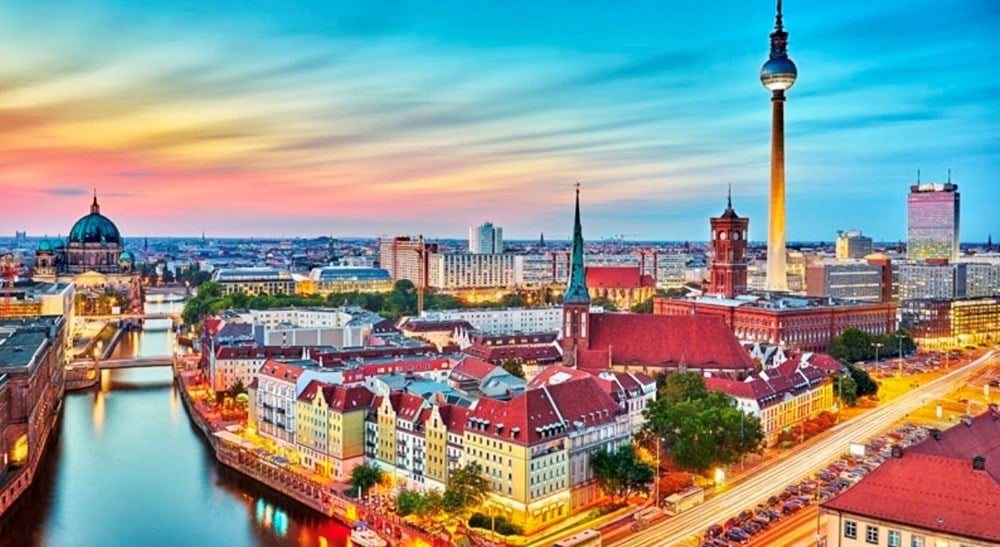
Berlin ranks eighth, appealing for its ability to connect people with similar interests and personalities.
Here, young people can find very diverse communities, from classes, sports activities, social events to unique cultural spaces. The city is becoming increasingly expensive, but affordable entertainment options still exist, including late-night Spätis shops, which have become part of Berlin's street culture.
65% of those surveyed gave positive ratings to restaurant quality, green spaces, opportunities to meet new people, and overall well-being. Art was considered relatively budget-friendly, with 72% rating accessibility highly.
Berlin shows that a livable city sometimes starts with something very simple: you can find people who make you feel like you belong there.
Valencia ranks ninth, enjoying an advantage with approximately 300 sunny days per year.
But the weather is only part of the story. The city also has entertainment options suitable for young people, museums that are free on Sundays, affordable public transport, and plenty of outdoor activities.
Running, yoga, hiking, or swimming at sunrise create an active lifestyle. In particular, free community activities help young people meet and build new relationships.
93% of Gen Z respondents said living in Valencia made them happy; 86% appreciated the sense of community, and 86% also said their happiness had improved recently.
At the bottom of the top 10, Bangkok – the capital of Thailand – appeals to Generation Z with its combination of cuisine, nightlife, creative spaces, and relatively accessible cost of living.
Designers, artists, chefs, and musicians constantly meet, exchange ideas, and create new products. Neighborhoods like Song Wat become hubs for creative businesses, small shops, and street art.
Bangkok also shows that Generation Z is seeking a more balanced life. Besides clubs and nightlife, young people are interested in running, yoga, and wellness activities.
87% of those surveyed gave positive reviews of the restaurant food, and 78% loved the nightlife. But the most striking figure was that 96% said the city made them happy and they felt happier in Bangkok than in any of their previous cities.
A good city must truly become an integral part of the lives of the younger generation.
Perhaps the most interesting takeaway from Time Out 's rankings is how Generation Z defines a good city.
It's no longer about architectural landmarks, famous restaurants, or lists of attractions. A city that truly appeals to young people must become an integral part of their daily lives.
It's a convenient train ride to school and work. A park close enough for a jog after school. An affordable coffee shop. A museum with a discount policy for young people.
A concert that's easy to find. A neighborhood that feels safe. And, more importantly, a community open enough for a newcomer to find friends.
Affordability is also becoming an increasingly important part of the urban experience. Generation Z wants to enjoy art, food, sports, and entertainment while still balancing it with their income.
Therefore, cities with many free or reasonably priced options tend to be particularly attractive.
Time Out's survey also revealed that convenience of transportation, access to nature, physical activity, cultural life, and opportunities for social interaction all play a significant role in young people's perception of quality of life.
From a tourism perspective, this is also a significant change. A destination might attract tourists with short-term experiences, but the deeper appeal emerges when tourists begin to imagine: "What would it be like to live here?"
When that question arose, the city transcended the boundaries of a tourist attraction. It became a living space, a community, and a part of memory.
Perhaps that's also why the cities on Time Out's ranking all have one thing in common: they make young people want to go out, explore, meet people, experience, and enjoy the very ordinary things in life.
A city that's good for tourism might make you want to visit. A city that's good to live in might make you want to stay.