



New research suggests that using your phone before bed isn't necessarily harmful to sleep and may even be beneficial.
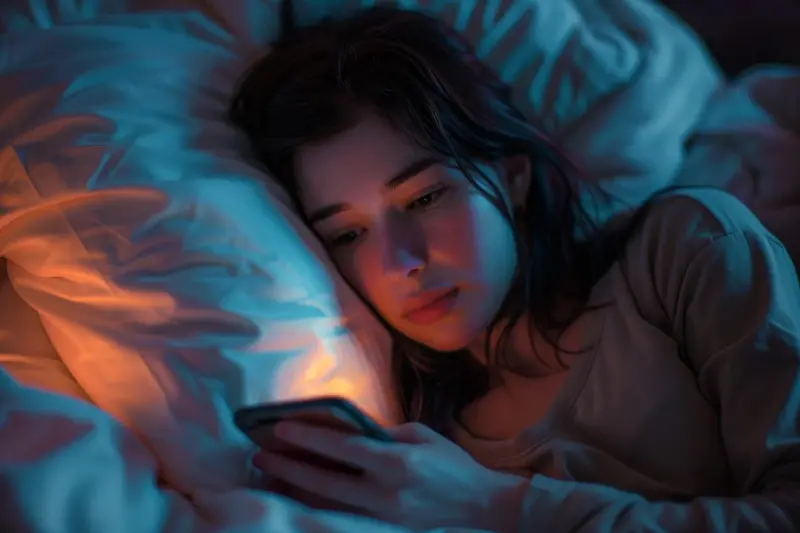
For years, experts have warned that using phones before bed can reduce sleep quality due to the effects of blue light. However, a recent report from Gizmodo, based on research by Canadian scientists , has indicated that users don't need to feel guilty about browsing their phones before sleep.
The study, titled “The Complex Link Between Bedtime Screen Use and Adult Sleep Health,” found no clear link between nighttime screen use and poor sleep in adults. In fact, those who regularly used their phones before bed reported better overall sleep health compared to those who used their phones moderately.
Using your phone before bed doesn't necessarily harm sleep quality, contrary to previous studies.
A research team from Toronto Metropolitan University (TMU) and Laval University surveyed over 1,300 adults across Canada about their screen time habits before bed and their sleep quality. After adjusting for age, income, and gender, the results suggest that phone use may not be the primary factor affecting sleep.
An interesting finding in the study was that those who used their phones before bed five or more nights a week had the best sleep duration and daytime alertness. Conversely, those who occasionally used their phones before bed had the highest levels of sleep satisfaction and consistency. The intermediate group, those who used their phones moderately, performed worst on several criteria, suggesting that consistency in bedtime routines may play a significant role.
Colleen Carney, a professor at TMU specializing in sleep disorders, said: “Previous studies on blue light haven’t taken into account age, timing, and intensity of exposure when making generalizations.” She also noted that teenagers may be more sensitive to the light, while adults tend to be less affected.
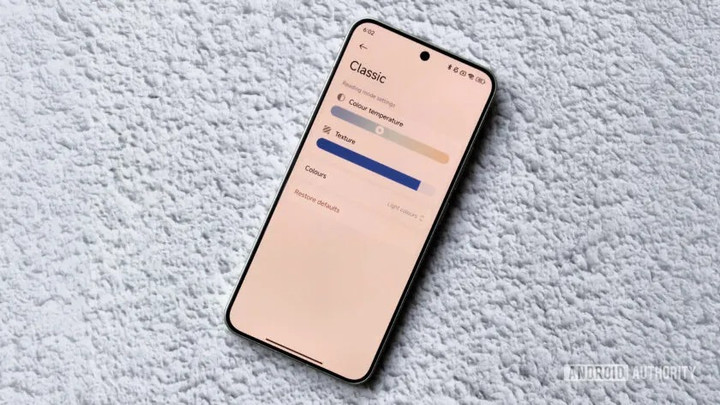
Smartphones are increasingly equipped with health-protecting features.
Furthermore, how you use your phone is also very important. For example, a meditation app is not the same as aimlessly scrolling through social media. While this study doesn't encourage users to stay up until 3 a.m. on TikTok, using stress-reducing tools like grayscale mode and bedtime mode may not be as important as we think.
It's important to note that this study has not been conducted in a clinical setting and further research is needed. Users can test this in their own lives by tracking their sleep for a week as usual, then trying a week without using screens before bed. If nothing changes, it's possible that the phone isn't the culprit affecting their sleep.