



Fruits are an important part of the diet for people with fatty liver disease, as they are rich in fiber, vitamins, and antioxidants. Below are some fruits that are good for people with fatty liver disease.
Grapefruit
Eating grapefruit helps boost the liver's antioxidant capacity by stimulating the liver to produce the enzyme glutathione peroxidase.
Therefore, eating grapefruit helps prevent early inflammation and fibrosis of liver tissue caused by fat invasion and damage in fatty liver disease.
Avocado
Avocados are rich in beta-sitosterol – a compound that helps regulate blood sugar and improve insulin sensitivity.
Therefore, eating avocados helps you limit fat accumulation and also contributes to preventing diabetes – a dangerous complication often seen in people with fatty liver disease.
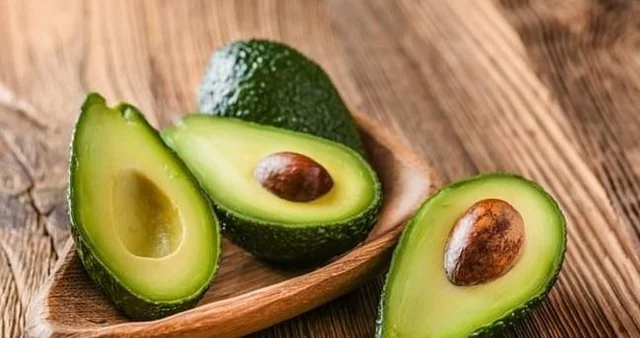
Eating avocados helps you recover quickly and protects your liver health.
In addition, avocados are rich in vitamin E and omega-3 fatty acids, which are very good for the liver. These two nutrients help reduce oxidative stress in the liver by stimulating the liver to increase the production of glutathione – one of the most powerful antioxidants that the human body can synthesize on its own. Therefore, eating avocados helps you recover quickly and protect your liver health.
Blueberries
Much of the amazing benefit of blueberries in supporting the treatment of fatty liver disease comes from a powerful antioxidant compound called anthocyanin – which is also abundant in blueberries and is the main factor giving them their characteristic deep purple color.
Grape
Grapes are an effective fruit for treating fatty liver disease because they contain a high amount of resveratrol – a powerful antioxidant that can improve the liver's ability to metabolize sugar and fat.
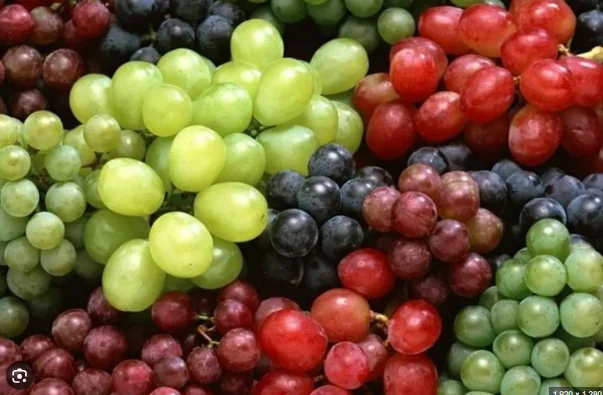
Grapes are an effective fruit for treating fatty liver disease because they contain a high amount of resveratrol – a powerful antioxidant that can improve the liver's ability to metabolize sugar and fat.
Therefore, adding grapes to the diet has been shown to reduce signs of liver damage; helping the liver to transport, hydrolyze, and isolate fats, thereby contributing to preventing fatty liver disease from progressing to dangerous cirrhosis.
Lemon
Drinking excessive amounts of alcohol over a long period (more than 40-80g/day for men and more than 20-40g/day for women) can impair the liver's ability to metabolize fats, leading to alcoholic fatty liver disease.
Consuming lemons, especially lemon juice, has been shown to protect liver cells from chronic damage caused by alcohol, effectively supporting the improvement of fatty liver disease.
Apple
Excessive fat accumulation in the liver can lead to fatty liver disease. However, polyphenols – a major antioxidant compound in apples – have been shown to improve lipid structure, increase antioxidant enzyme activity, and reduce fat deposition in the liver by enhancing hepatic fat breakdown.
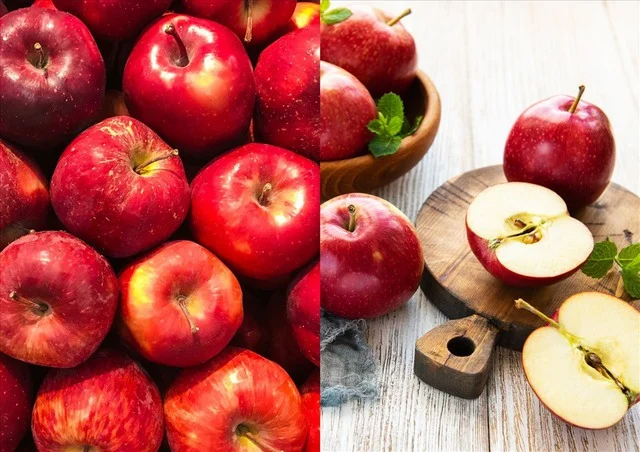
Polyphenols – a major antioxidant compound in apples – have been shown to improve lipid structure, increase antioxidant enzyme activity, and reduce fat deposition in the liver by enhancing hepatic fat breakdown.
Therefore, apples can be considered an ideal "companion" for those suffering from fatty liver disease.
Me
Consuming tamarind has also been shown to reduce liver fat levels, as it contains the antioxidant procyanidin, which helps the liver boost fat metabolism and fight free radicals that damage the liver.
Pear
Pears contain many phytochemical antioxidants that have been shown to have beneficial effects on liver health.
Pear seed extract has been shown to reduce oxidative stress on the liver, while also helping to lower blood sugar levels, inhibit excessive fat accumulation in the liver, and prevent the onset of diabetes.
Papaya
Papaya is a fruit that has shown promising medicinal properties for use in preventing or treating non-alcoholic fatty liver disease.
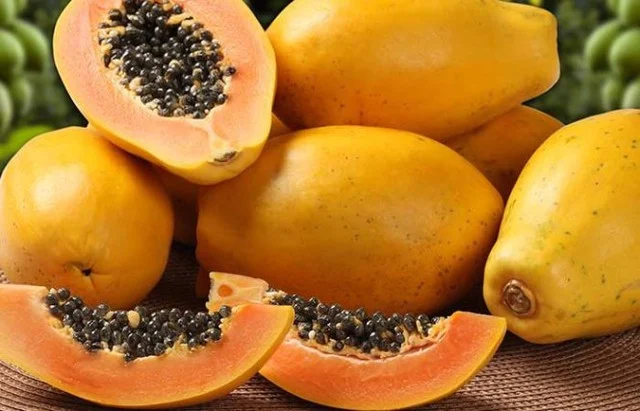
Papaya is a fruit that has shown promising medicinal properties for use in preventing or treating non-alcoholic fatty liver disease.
Papaya combats fat accumulation in the liver by inhibiting SREBP – a protein that controls the process of fat formation in the liver. Therefore, eating papaya helps you control fatty liver disease and effectively improve your condition.
Orange
Oranges are rich in vitamin C. Consistent vitamin supplementation has been shown to significantly improve liver function indicators, enhance liver recovery, and restore glucose homeostasis in patients with non-alcoholic fatty liver disease.
Therefore, oranges are truly an indispensable food group in the diet of people with fatty liver disease.