



Potassium is an essential mineral that helps maintain the function of the heart, nervous system, and muscles. Supplementing with potassium-rich foods from vegetables, fruits, and natural sources can help regulate blood pressure and maintain overall health.
1. The role of potassium in health
- 1. The role of potassium in health
- 2. Supplement potassium from natural sources.
- 2.1 Beetroot leaves
- 2.2 Tomatoes
- 2.3 Avocado
- 2.4 Spinach
- 2.5 Sweet potatoes
- 2.6 Coconut water
- 2.7 White beans
- 3. Things to note when supplementing with potassium-rich foods.
Potassium is one of the essential minerals for the body. It participates in many physiological processes such as nerve impulse transmission, muscle contraction, maintaining fluid balance, and regulating blood pressure.
Potassium works with sodium to maintain a stable balance of water inside and outside cells. This balance helps cells function properly and supports nervous system function.
In addition, potassium plays a role in maintaining a stable heart rhythm. A diet with sufficient potassium can help reduce the impact of sodium in the body, thereby contributing to blood pressure control and supporting the prevention of cardiovascular disease.
The recommended daily potassium intake for adults typically ranges from approximately 3,400 mg for men to 2,600 mg for women, depending on national dietary recommendations. The safest and most effective way to obtain potassium is through natural foods.
2. Supplement potassium from natural sources.
Here are some natural sources of potassium that you can incorporate into your daily diet:
2.1 Beetroot leaves
Beetroot leaves are one of the vegetables with a high potassium content. One cup of cooked beetroot leaves can provide over 1,200 mg of potassium. In addition to potassium, this vegetable also contains plenty of vitamin A, vitamin C, antioxidants, and fiber. These nutrients contribute to cardiovascular health, boost the immune system, and help the body fight oxidative stress.
Beetroot leaves can be prepared in many ways, such as stir-frying, making soup, or adding them to salads. Adding this vegetable to your meals helps increase the amount of essential minerals your body needs.
2.2 Tomatoes
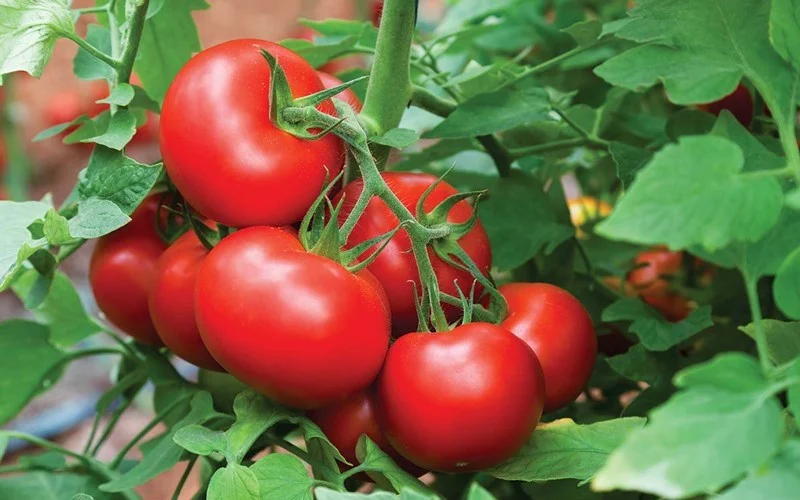
Tomatoes are a significant source of potassium, which helps regulate blood pressure and reduce the risk of cardiovascular disease.
Tomatoes are a common food in daily meals and are also a significant source of potassium. A cup of tomato puree or tomato sauce can provide more potassium than a banana. In addition, tomatoes are rich in vitamin C, vitamin A, and lycopene – an antioxidant beneficial for cardiovascular health. Studies show that a diet rich in potassium-rich foods and antioxidants from tomatoes may help regulate blood pressure and reduce the risk of cardiovascular disease.
Tomatoes can be used in many dishes such as salads, soups, sauces, or smoothies...
2.3 Avocado
Avocado is a highly nutritious fruit, providing plenty of potassium and monounsaturated fats – a type of fat that is beneficial for cardiovascular health. A medium-sized avocado can provide approximately 700 mg of potassium. In addition, avocados contain fiber, vitamin E, and folate.
Thanks to these nutrients, avocados can help control blood cholesterol and maintain cardiovascular health. Adding avocados to your diet also helps increase feelings of fullness and supports weight management.
Avocados can be eaten fresh, used in smoothies, or incorporated into salads.
2.4 Spinach
Spinach is a nutrient-rich green vegetable, especially high in potassium, iron, vitamin K, and antioxidants. One cup of cooked spinach can provide over 800 mg of potassium. This potassium helps support the functioning of the nervous system and muscles, and contributes to maintaining stable blood pressure.
Spinach also contains lutein and zeaxanthin – two compounds beneficial for eye health. This vegetable can be prepared in many ways, such as in soups, stir-fries, salads, or green smoothies.
2.5 Sweet potatoes
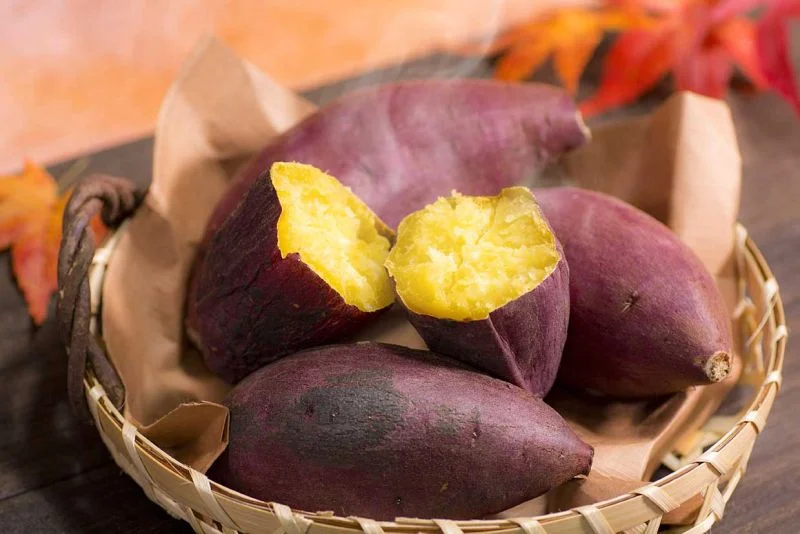
Sweet potatoes are a good source of potassium and fiber.
Sweet potatoes are a rich source of potassium and fiber. An average sweet potato can provide approximately 540 mg of potassium. In addition, sweet potatoes are rich in vitamin A, vitamin C, and antioxidants. These substances play a role in supporting the immune system, protecting cells from damage, and contributing to digestive health.
Sweet potatoes can be prepared in many ways, such as boiling, baking, or steaming. They are a suitable food to include in a healthy diet.
2.6 Coconut water
Coconut water is a natural drink rich in electrolytes, especially potassium. One glass of coconut water can provide approximately 600 mg of potassium. The potassium in coconut water helps support fluid balance in the body, especially after exercise or when the body is dehydrated. In addition, coconut water also contains small amounts of magnesium and sodium, which help replenish electrolytes in the body.
However, people with kidney disease or those who need to restrict potassium should consult their doctor before using it regularly.
2.7 White beans
White beans are one of the best plant-based sources of potassium. One cup of cooked white beans can provide approximately 1,000 mg of potassium. Besides being rich in potassium, white beans also provide plant-based protein, fiber, and many minerals such as iron and magnesium. These components help support cardiovascular health, improve digestive function, and maintain energy levels.
White beans can be used in soups, salads, or stews.
3. Things to note when supplementing with potassium-rich foods.
Although potassium is essential for health, excessive potassium intake can also have negative effects on the body, especially in people with kidney disease or those taking certain medications. In these individuals, the body's ability to excrete potassium may be reduced, leading to hyperkalemia – a disorder that can affect heart rhythm.
Therefore, the best way to supplement potassium is through a varied diet, including a wide range of vegetables, fruits, and healthy protein sources. If you have a chronic illness or need to change your diet, you should consult your doctor or a nutritionist for appropriate guidance.
Please watch the video for more information: