


What is the best way to eat pumpkin?
Eat in moderation: Pumpkin is a good source of carbohydrates, fiber, vitamin A, vitamin C, and potassium. However, you shouldn't eat too much of it or replace other food groups with pumpkin.
Vary your cooking methods: Prioritize boiled, steamed, stewed, or braised dishes to preserve nutritional value. Limit fried foods or those prepared with excessive sugar, butter, and dairy.
Combine with other food groups: Pumpkin should be eaten with protein-rich foods (meat, fish, eggs, beans), whole grains, and green vegetables to ensure a balanced diet.
People with diabetes need to control their portion sizes: Pumpkin can still be consumed, but it needs to be counted towards the total carbohydrate intake of the meal, and eating large amounts at once should be avoided.
Do not eat spoiled pumpkin: Avoid using pumpkins that show signs of mold, bruising, or have an unusual smell to reduce the risk of food poisoning.
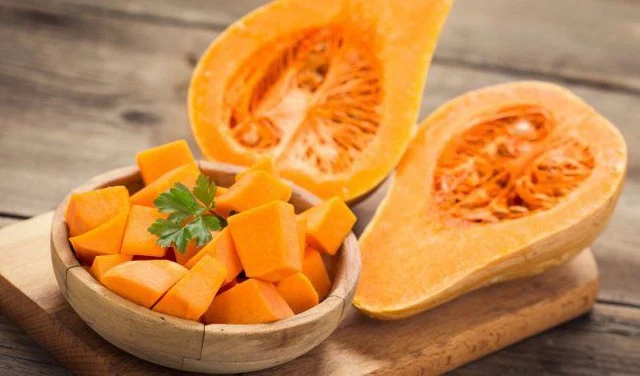
To reap the nutritional benefits of pumpkin without compromising your health, you should consume it in moderation and incorporate it into a balanced diet.
Proper storage: Cooked pumpkin should be consumed soon or stored in the refrigerator and used within the appropriate timeframe.
Those who should be cautious when eating pumpkin
For people with diabetes: Pumpkin contains carbohydrates, so portion sizes should be controlled and included in the total carbohydrate intake of meals to help manage blood sugar.
For people with chronic kidney disease: Pumpkin provides potassium. Individuals with impaired kidney function may need to limit potassium-rich foods as directed by their doctor to avoid hyperkalemia.
People with a history of allergies to pumpkin or cucurbits: Although rare, pumpkin can still cause allergic reactions in some people with symptoms such as itching, hives, or swelling of the lips and tongue.
People with sensitive digestive systems: Eating too much pumpkin in one meal may cause bloating or indigestion. It's best to start with moderate amounts and monitor your body's reaction.
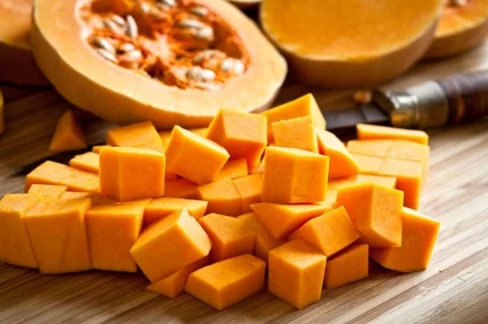
You can eat pumpkin for breakfast, lunch, or dinner. Pumpkin is also a suitable choice for snacks when prepared simply, such as steamed or boiled.
For those trying to control their weight: Prioritize boiled, steamed, or stewed pumpkin, while limiting dishes high in sugar, butter, or fat to avoid increasing calorie intake.
When is the best time to eat pumpkin?
You can eat pumpkin for breakfast, lunch, or dinner. Pumpkin is also a suitable choice for snacks when prepared simply, such as steamed or boiled. You should limit pumpkin dishes that are high in sugar or fat if you are trying to control your weight.
Combining pumpkin with various other vegetables, fruits, and foods in your daily diet not only helps balance nutrition but also contributes to improved health and prevents risks associated with unbalanced eating habits.
The harmful effects of overconsumption of pumpkin.
Risk of hyperglycemia
Pumpkin contains natural carbohydrates. Eating too much in one meal can increase carbohydrate intake, affecting blood sugar control, especially in people with diabetes or prediabetes.
Jaundice caused by excess beta-carotene.
Pumpkins are rich in beta-carotene. Consuming too much over a long period can cause carotenemia, manifested by mild yellowing of the skin, especially the palms and soles of the feet. This is a benign condition and usually improves when the amount of pumpkin in the diet is reduced.
You should limit pumpkin dishes that are high in sugar or fat if you are trying to control your weight.
Causes bloating and indigestion.
The fiber content in pumpkin is beneficial for digestion, but eating too much can cause bloating, gas, or indigestion, especially in people with sensitive digestive systems.
Nutritional imbalance
Over-consuming pumpkin or eating only pumpkin for weight loss can lead to deficiencies in protein, healthy fats, and other essential micronutrients. Therefore, pumpkin should only be a part of a varied and balanced diet.
Increased risk of weight gain when processed with a lot of sugar.
Dishes like pumpkin sweet soup, pumpkin cake, pumpkin milk, or fried pumpkin are often high in sugar and fat. If consumed regularly, these foods can increase overall calorie intake and contribute to weight gain.