



The former K-pop star’s transformation into a serious actor reaches a new peak as The King’s Warden keeps collecting trophies and he vows to keep “earning” his audience’s belief.
There’s a particular kind of vindication in an idol-turned-actor being handed a grand prize not a “rising star” consolation, not a popularity trophy, but the top honor in the room. On September 17, Park Ji-hoon collected exactly that, and the number attached to it says everything: 16.9 million. That’s how many people bought tickets to watch him weep as a doomed teenage king. In a country of roughly 51 million, that’s not a hit. That’s a national event.
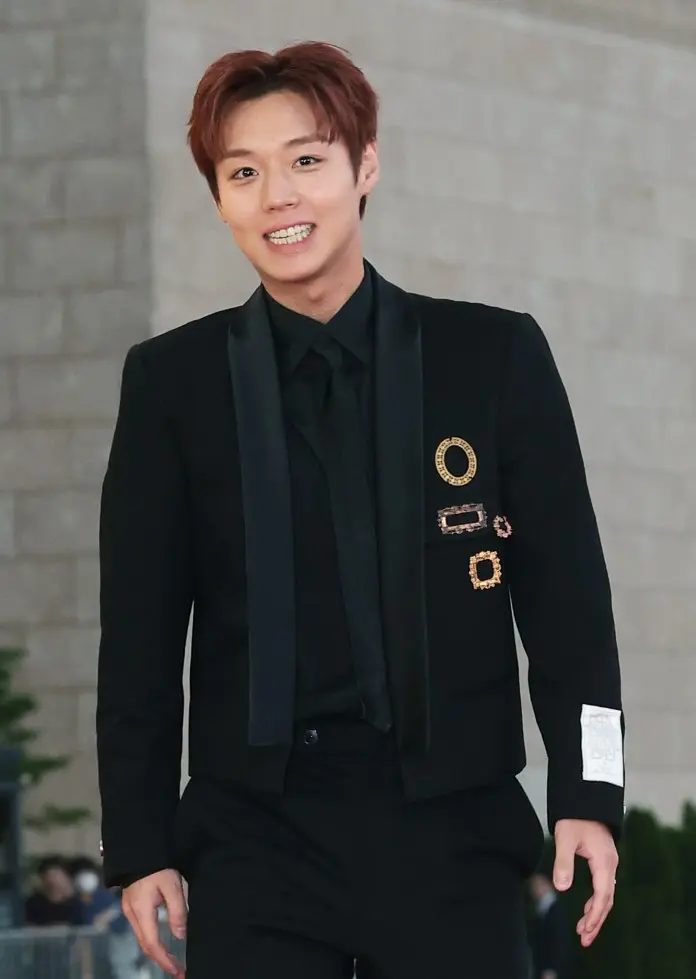
Park took the Grand Prize in the acting category at the 8th Daejeon Special Effects Film Festival’s DFX OTT Awards, held at Hall 1 of the DCC Exhibition Center in Yuseong-gu, Daejeon. In a nice bit of irony, he’d reportedly shown up to present an award and walked out with the biggest one of the night.
The role that changed everything
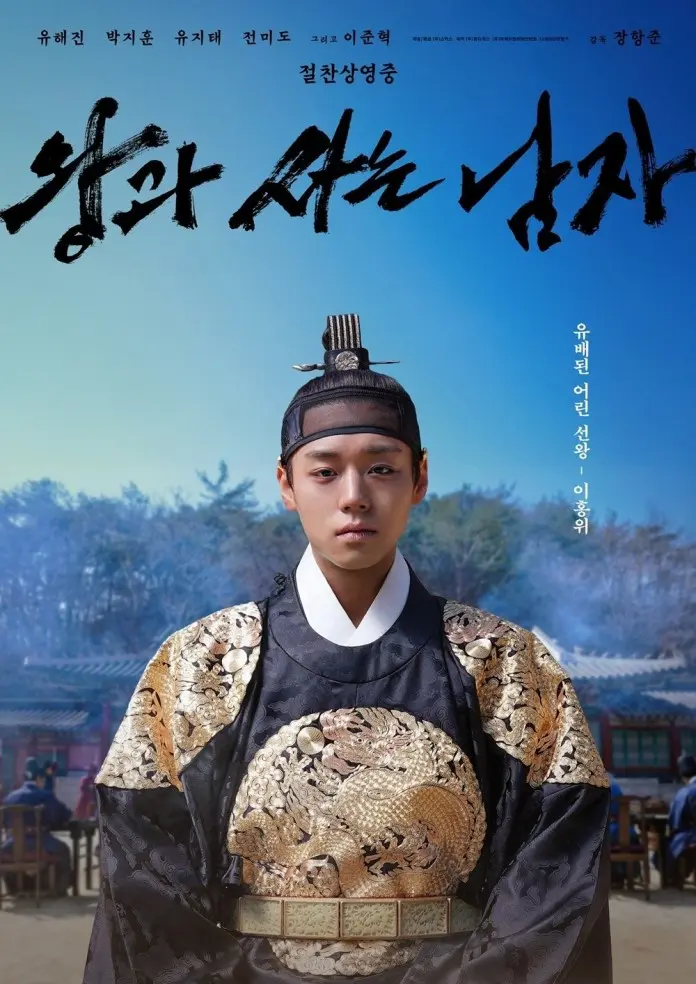
Park won for The King’s Warden (왕과 사는 남자, also translated as The Man Who Lives with the King), Jang Hang-jun’s period drama set in 1457 Cheongnyeongpo. He plays Lee Hong-wi the deposed boy-king Danjong, one of the most tragic figures in Korean history, exiled and ultimately killed at just 16. Opposite the veteran Yoo Hae-jin’s village chief, Park delivered a performance built on quiet devastation, his mournful gaze sparking what Korean fans dubbed “Hong-wi ailment” (홍위 앓이) the collective heartache of viewers who couldn’t shake his sorrowful eyes.
That’s a heavy lift for any actor. For one who debuted as a fresh-faced member of the project group Wanna One the survival-show phenomenon that minted a generation of idols it’s a genuine reinvention. Danjong isn’t a role you coast through on visuals; it’s one you have to inhabit.
The receipts: a box-office phenomenon
The scale of The King’s Warden is hard to overstate. Released February 4, it crossed 10 million admissions in 31 days and finished with a cumulative 16.92 million moviegoers the second-highest total in South Korean box-office history, with worldwide grosses reported north of $120 million. Beyond the numbers, it became a cultural moment: visits to Yeongwol’s Cheongnyeongpo, Danjong’s real-life place of exile, reportedly surged fivefold over the Lunar New Year holiday as audiences went looking for the history behind the tears.
For global readers, some context on why this matters: Korean historical films (sageuk) are a prestige genre, but crossing 10 million admissions puts a title in rarefied air the kind of company occupied by classics like The Admiral: Roaring Currents and Extreme Job. To anchor one of those as a former idol, and to be singled out for the acting within it, is the industry’s way of saying the transformation is complete.
An awards sweep, and a promise
The Daejeon trophy is the latest in a run. Park had already won Best New Actor (Film) at the 62nd Baeksang Arts Awards often described as Korea’s Oscars and Emmys rolled into one as well as the New Male Actor prize at the 24th Directors’ Cut Awards. In an industry that can be quietly skeptical of idols crossing into film, that’s a clean sweep of the exact honors that certify a serious screen career.
His acceptance speech leaned into gratitude rather than triumph. “I want to thank the 16.9 million audience members who loved this film,” he said, adding that it felt almost undeserved to accept “as a representative” for the whole team. He thanked co-star Yoo Hae-jin, director Jang Hang-jun, and fellow cast members Yoo Ji-tae and Jeon Mi-do, calling the shoot a set “filled with nothing but happy memories.”
He didn’t forget the people who carried him from idol stages to film sets, either his fandom, MAY. “To MAY, who always cherish and love me, I’m truly grateful,” he said. Then came the line that doubled as a mission statement: “I want to be an actor with the sincerity to always convince you. I’ll keep working hard and pressing forward.”
What comes next
That word convince is the tell. Park Ji-hoon isn’t treating this as a finish line; he’s treating it as proof of concept. He’s currently reviewing his next project, and the pressure now cuts both ways: a 16.9-million-ticket calling card opens every door, but it also sets a bar that most actors spend careers chasing.
The safe read is that the idol experiment worked. The more interesting read is that Park seems to know the hardest part isn’t winning the room once it’s earning it again. If his next role lands anywhere near Danjong, we won’t be calling him a former idol much longer. We’ll just be calling him one of Korea’s best young actors.