


A shifting current in “the world’s luckiest fishing village”
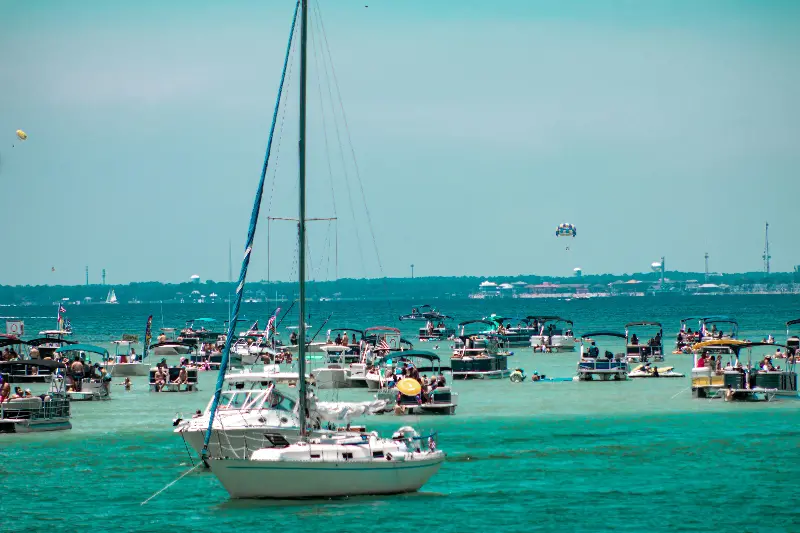
Destin, Florida, renowned for its emerald waters and relaxed boating lifestyle, is drawing attention this spring for a fresh purpose: saving sea turtles from boat strikes.
On May 15, a new grassroots initiative named “Boaters For Turtles” officially debuted in Destin, featuring three key educational signs at local boat ramps. The signs encourage skippers to ease off the throttle, stay more vigilant, and notify authorities about hurt turtles while navigating nearshore waters where the creatures forage and rise to breathe. Florida State University marine scientist Mariana Fuentes cited the Destin ramp signs as an example for reducing vessel strikes along the Gulf Coast in a recent Q&A on boat effects on turtles.
The effort arrives at a perfect moment — and the sentiment at the ramps captures that pressing need. Residents speak of pride in Destin’s conservation legacy alongside dismay at the figures emerging from South Florida.
From tragedy in Palm Beach to action in Destin
Destin’s drive stems straight from a series of somber reports on Florida’s Atlantic coast. In early May, four endangered leatherback sea turtles were killed by boat strikes in Palm Beach County, per state wildlife officials and local conservation organizations. The losses occurred right as nesting season intensified, highlighting how even big, open-ocean turtles remain at risk in crowded coastal zones. Federal reviews of leatherbacks identify vessel collisions as a major cause of mortality for the species.
In reaction, activists in South Florida are ramping up calls for tougher safeguards, such as voluntary reduced-speed zones in nesting season and wider education for leisure boaters. A recent Local 10 story from Broward and Palm Beach counties portrayed conservationists urging operators to slow down and remain watchful in a voluntary sea turtle safeguard zone extending one mile offshore along the county’s 45-mile shoreline.
Destin’s “Boaters For Turtles” signs draw straight from those initiatives, repeating the straightforward, heartfelt plea: “If you love this water, watch for turtles.” FSU’s Fuentes notes that ramp-based public campaigns like Destin’s rank among the most practical tools for lowering strikes in busy passes and inlets.
For locals and tourists setting out from Destin’s marinas, the reminder is now unmissable. On a recent morning, fishermen stopping at the fresh signs took pictures, with some confessing they had “never really thought” about turtles surfacing in the very channels their boats race through.
Key reminders for Destin boaters:
- Slow to minimum safe speed in tight passes and nearshore hotspots
- Post a lookout on the bow in clear conditions and busy channels
- Avoid sharp turns at speed, where hidden turtles go unseen
- Report injured turtles to state wildlife hotlines instead of trying solo rescues
Emerald Coast image: friendly, safe – and now turtle‑smart
The initiative also aligns with Destin’s growing reputation as one of the friendliest and safest small towns on the Gulf. Recent travel articles have highlighted Destin and nearby Emerald Coast spots as among the most welcoming and safest places to settle along Florida’s coast, owing to low crime, family-oriented tourism, and robust community organizations.
Meanwhile, the wider Gulf area grapples with a tourism surge that now features underwater attractions, from man-made reefs to proposals to sink a famous ocean liner as a dive spot — ventures that excite divers yet spark new debates on harmonizing marine leisure with wildlife safeguards.
For the moment, Destin’s priority stays focused and local: ensuring sea turtles can share the vivid green waters that attract millions of visitors yearly. Conservationists observing the new “Boaters For Turtles” signs being installed express guarded optimism.
If boaters heed the call, they say, Destin might serve as a template for Gulf Coast towns seeking the best of both:
- A vibrant boating and fishing scene
- Safer routes for endangered turtles
- A standing as responsible, family‑friendly tourism
On a serene May afternoon, with children pursuing sandpipers on the beach and charter skippers gliding beyond the harbor markers, that equilibrium seems achievable. It seems like the emerging Emerald Coast standard — one slow wake at a time.