



Are you ready to slash your energy bills while helping the planet? It all starts at home, where outdated appliances are quietly draining both your finances and the earth’s resources. Many households still rely on energy-hungry appliances, silently racking up costs even when they’re supposedly “off.” From refrigerators to water heaters, these hidden power guzzlers are everywhere. Did you know that older fridges can use up to three times more energy than newer models? Or that electric water heaters can account for up to 18% of your total energy bill? Recognizing which items contribute the most to your energy consumption is the first step on your journey to a greener home.
Brilliant alternatives are changing the game
Moving toward greener alternatives isn’t about sacrificing comfort—it's about making smarter choices that pay off. Today’s technology offers a wealth of energy-efficient appliances that do the job better, using a fraction of the power. Consider these proven swaps:
- Switch to LED light bulbs, which use up to 80% less energy and last 25 times longer than traditional incandescents.
- Invest in an ENERGY STAR-certified refrigerator; modern models can save you more than $200 over their lifetime.
- Opt for heat pump water heaters, which can be two to three times more efficient than conventional models.
- Upgrade to induction cooktops, which heat food faster and lose less energy compared to gas or electric stoves.
- Replace old washing machines with high-efficiency front-loaders that use less water and up to 50% less energy per cycle.
By making these changes, you don't just lower your monthly bills—you also reduce your home’s carbon footprint significantly.
Rethink daily habits for maximum impact
It’s not just about big-ticket appliances. Everyday habits play a vital role in your energy use. Simple ideas can lead to big savings:
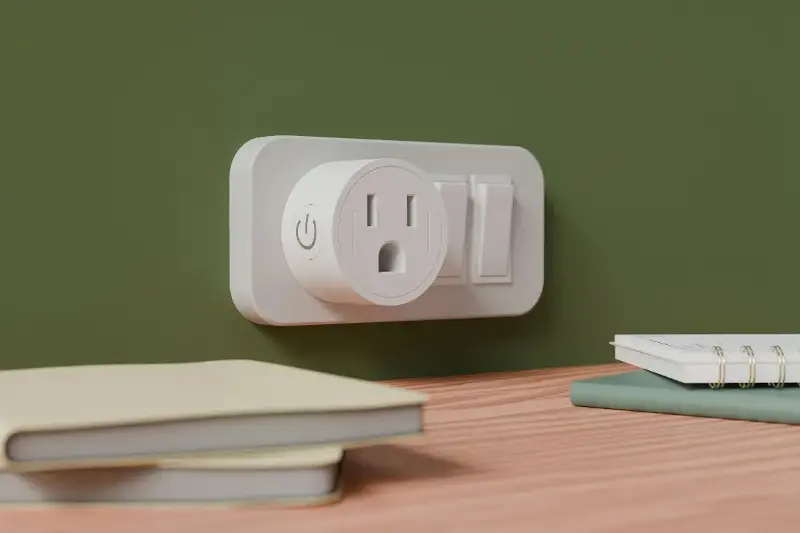
- Always unplug electronics when not in use; “phantom” energy losses can account for up to 10% of your electricity usage.
- Wash clothes in cold water, which is just as effective for most loads and saves energy by avoiding the water heater.
- Regularly clean the coil of your refrigerator to keep it running efficiently.
- Run dishwashers and laundry machines only with full loads to maximize every cycle’s efficiency.
Making a mental checklist of these small actions and sharing them with family or roommates can multiply the benefits.
Costs today, savings tomorrow—crunching the numbers
It’s natural to hesitate before replacing functional old appliances, but the economics can be surprisingly persuasive. While the upfront price tag for energy-efficient models may seem higher, the long-term savings are substantial. For example, swapping an old refrigerator for a new ENERGY STAR unit can cut energy use by nearly 40% per year. Similarly, investing in a modern air conditioner can provide year-round savings of $70–$100, which adds up quickly over the unit’s lifespan.
Some governments and utility companies even offer rebates, tax credits, or low-interest financing to help you make the switch. Before making any purchase, check for local incentives—sometimes your city or utility provider will cover a significant portion of the upgrade.
A greener tomorrow starts at home
Choosing energy-smart appliances and adopting greener habits means investing in your household’s future. The benefits ripple outward: lower bills, a lighter eco-footprint, and often, quieter and more reliable tech that simply makes life easier. But the journey doesn’t stop here. What other small changes can you make this month? How might your choices inspire neighbors or friends to do the same? Sometimes the first step is simply being curious about what’s possible. Will your next home upgrade be the one that sparks a whole new way of thinking about energy—and our shared environment?