


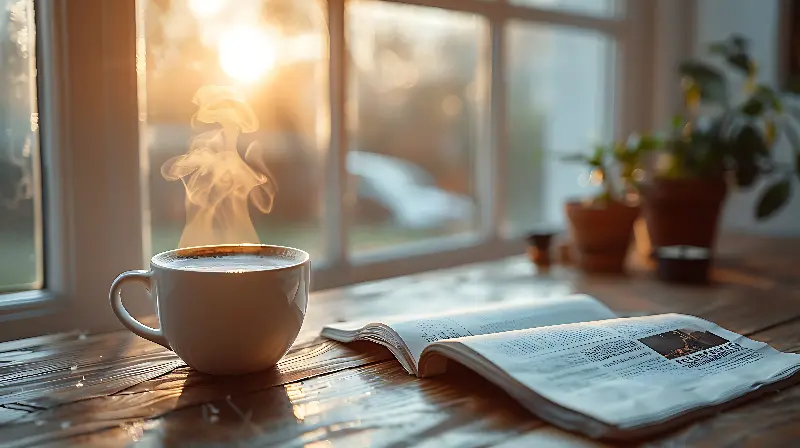
There’s something magical about that first sip of a perfectly brewed cup of coffee in the morning—a rich aroma, a balanced taste, and a satisfying warmth that signals the day has truly begun. While those velvet-smooth lattes and bold espressos from your favorite coffee shop are a treat, you don’t need fancy equipment or a barista’s skill set to enjoy the best-tasting brew at home. Unlocking barista-quality flavor in your own kitchen is surprisingly simple once you know the technical secrets.
WHY FRESHNESS IS EVERYTHING
Coffee is at its peak shortly after roasting, meaning your choice of beans and their freshness matter more than most realize. Supermarket beans can sit on shelves for months, losing their vibrancy. For that “wow” factor, keep these tips in mind:
- Buy Local: Purchase whole beans from a local roaster with a roast date within the past two weeks.
- Grind on Demand: Whole beans lock in essential oils and complex flavors that fade once ground. If possible, grind your beans immediately before brewing.
- Small Batches: Only purchase enough coffee to last you two or three weeks to ensure maximum potency.
THE IMPORTANCE OF THE RIGHT GRIND
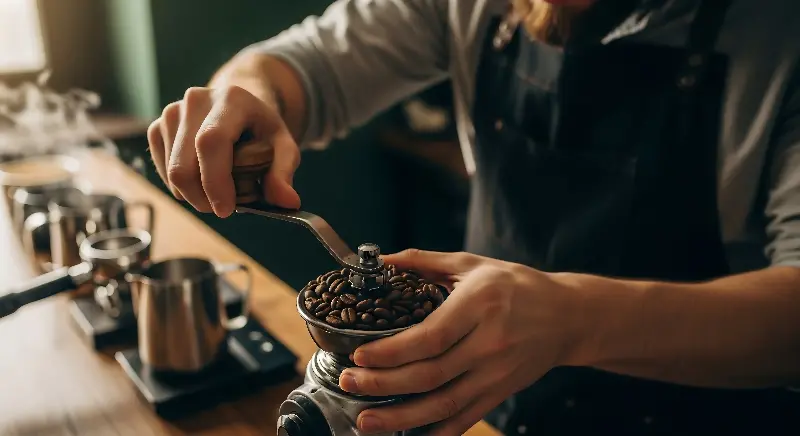
Grinding isn’t just about breaking beans down—it’s about coaxing the best flavor out of them. A too-coarse grind leads to weak, under-extracted coffee, while a too-fine grind can taste harsh or bitter. The ideal grind size depends entirely on your method:
- French Press: Aim for a coarse grind, similar to sea salt.
- Pour-Over: Use a medium grind akin to sand.
- Espresso: Seek a fine, powdery texture similar to table salt.
Pro tip: Use a burr grinder for an even, consistent texture, as blade grinders tend to pulverize beans unevenly.
WATER: THE UNSUNG HERO
Coffee is more than 98% water, so water quality dramatically affects the final cup. Skip distilled or mineral-heavy bottled waters; fresh, cold filtered water is best. Temperature is equally crucial: the sweet spot for most brewing methods is between 195°F and 205°F. Water that is too hot extracts bitter compounds, while water that is too cool leaves the coffee tasting flat and insipid.
PERFECTING YOUR BREW RATIO
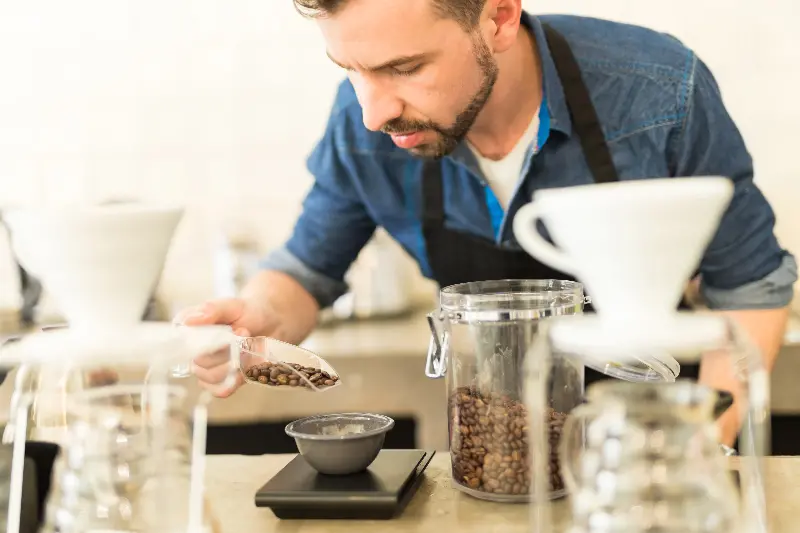
It’s common to eyeball scoops, but professionals use a simple ratio to dial in flavor. A general rule of thumb is 1 gram of coffee to 15–18 grams of water. If you don’t have a scale, a standard guideline is two level tablespoons (about 10 grams) of coffee for every six ounces of water. Measuring precisely might seem fussy, but it is the fastest shortcut to repeatable, consistent flavor.
LITTLE DETAILS THAT MAKE A BIG DIFFERENCE
To elevate your coffee from "good" to "extraordinary", pay attention to these minor adjustments:
- Pre-wet the Filter: This removes papery flavors when brewing pour-over.
- Warm Your Mug: Use hot water to prevent a sudden temperature drop when the coffee hits the ceramic.
- Avoid Reheating: Never microwave your coffee. Reheating accelerates bitterness and flattens those delicate top notes.
- Smart Storage: Keep beans in an opaque, airtight container away from heat, light, and moisture. Forget the fridge—it introduces moisture that ruins the beans.
CUSTOMIZING YOUR CUP
If you enjoy milk-based drinks, steaming makes a world of difference. While professional machines create microfoam, you can gently heat milk on the stove and froth it with a handheld device or even a clean French press.
For those who like a little extra flair, try adding a pinch of salt to the grounds to reduce bitterness, or sprinkle in some cinnamon for a spiced aroma that infuses the entire pot.

THE RITUAL COUNTS AS MUCH AS THE BREW
Brewing barista-quality coffee at home isn’t just about taste; it’s about creating a daily ritual. Whether you’re perfecting your pour-over technique or sharing a pot with friends, enjoy the experimentation. With fresh beans, mindful preparation, and a splash of curiosity, anyone can unlock professional-level flavor at home. You may never look at your morning mug the same way again.