


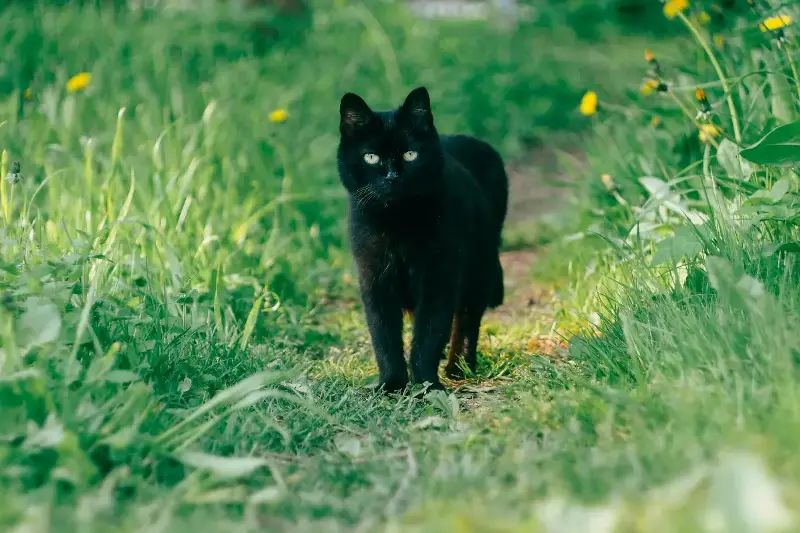
Step into a world where sleek, shadowy felines hold a special place in the hearts—and superstitions—of countless cultures. Black cats, cloaked in mystery, have for centuries served as both harbingers of luck and symbols of wonder. Their stories are not just tales of tails, but narratives woven with resilience and magic, each unique to continents and communities. Imagine a magical thread stretching from the alleys of ancient Egypt to the doorsteps of modern-day Japan, uniting civilizations through their beliefs about these four-pawed wonders.
From pharaohs to fortune: Blessings in fur and whiskers
In ancient Egypt, black cats were revered as earthly embodiments of Bastet, the goddess of home and fertility. To harm one was a grave crime, and households saw their presence as a blessing—so much so that wealthy families would deck their feline companions in gold jewelry. This reverence rippled across history, casting black cats as icons of guardianship in Europe, where sailors' families kept a black cat at home, believing it would guarantee their loved ones’ safe passage at sea.
Scotland and Ireland have their own folklore: a black cat arriving on your doorstep foretells prosperity. In Japan, the Maneki-neko statue, sometimes crafted with glossy black ceramic, is said to ward off evil and attract success in business. Here, not just general fortune, but specific gains are attributed to these enigmatic creatures.
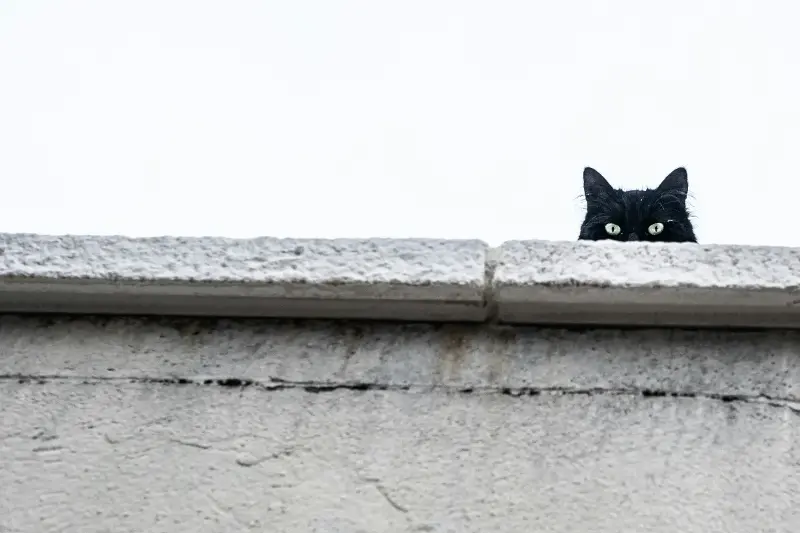
Shadows of suspicion: When wonder turns to wariness
Yet, as much as black cats have been embraced as harbingers of goodwill, history also records chapters of suspicion and fear. Medieval Europe painted a much darker picture, linking black cats with witches and supernatural evil. During the Middle Ages, the Church cast black cats as diabolical, leading to widespread culling and superstition that crossing paths with one on a moonless night brought misfortune.
Ironically, the fear of black cats during events like the Black Death may have had unintended consequences. Fewer cats meant more rats, fueling the very plague people wished to escape. Today, echoes of this suspicion linger—black cats are the least likely to be adopted from shelters in many Western countries, owing in part to residual superstition and myths.
Global perspectives: Fascinating facts to ponder
Think of these resilient felines as cultural chameleons, adapting to a myriad of symbolic meanings. Here’s how black cats have been perceived around the world:
- In Russia, black cats intercepting your path are seen as omens of good luck.
- In Germany, a black cat crossing from right to left is unlucky, but the reverse is believed to bring fortune.
- In Italy, hearing a black cat sneeze supposedly signals coming prosperity.
- Pirates often associated black cats with treasure—if one walked toward you, riches were near.
These contrasting beliefs highlight just how powerfully folklore can shape our perceptions and actions, sometimes to the benefit and sometimes, sadly, to the peril of black cats everywhere.
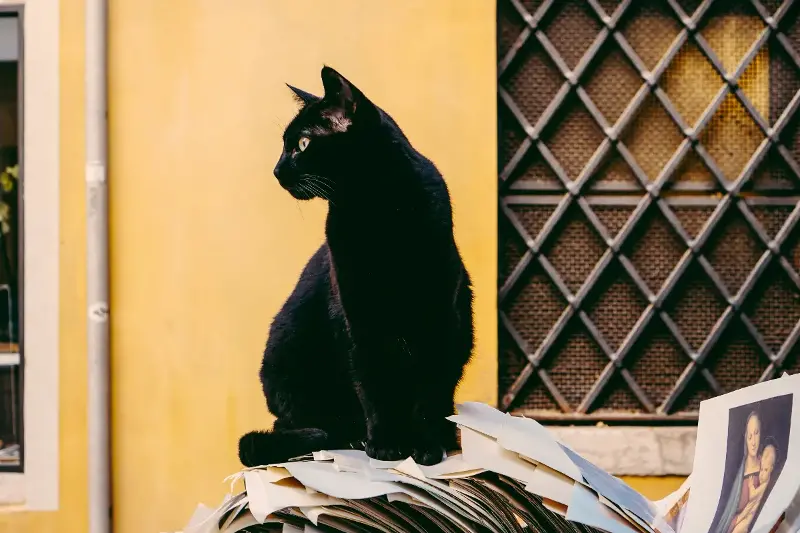
Curiosity by moonlight: Why these stories endure
Why do black cats sit at the crossroads of so many myths, blessings, and warnings? The answer may lie in their very appearance: their dark coats blend seamlessly into the night, inspiring awe, fear, and fascination in equal measure. Their elegance and elusive beauty invite us to wonder, sparking stories and beliefs that have traveled continents and centuries.
Are black cats omens, protectors, or playful companions? Around the world, the answer shifts and changes, just as the moon waxes and wanes overhead. Perhaps that’s the true magic of black cats—they are mirrors, reflecting back our hopes, fears, and greatest curiosities. Next time you spot a black cat gliding beneath the midnight sky, consider the stories it might carry on its silent paws. What tales could you add to its journey? The mystery, it seems, is far from over.