



If you think wooden furniture just sits there, think again. Each piece—whether a hand-carved dresser or a minimalist table—breathes, shrinks, and expands with the air in your home. Designers know that understanding how wood “lives” is the first step toward keeping cherished pieces in pristine condition. Did you know that sudden shifts in humidity and temperature can cause irreversible warps and cracks? That’s why interior experts often recommend stabilizing the environment: keep your space between 18-24°C (64-75°F) and humidities between 40-55%. For those who live in climates with wild seasonal swings, a simple humidifier can be a furniture-saver and a wise investment.
Dusting isn’t just for show: Why consistent cleaning matters
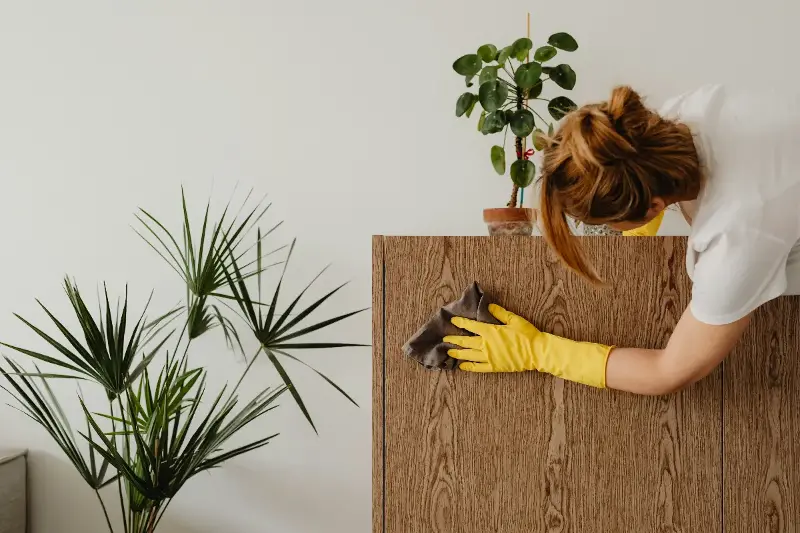
You might see dusting as a mere chore, but seasoned designers treat it as a ritual of preservation. Micro-abrasives in dust can dull and scratch wood surfaces over time. Experts recommend soft, lint-free cloths—microfiber leads the list—and gentle, circular motions. For crevices, a soft-bristled brush gets the job done without a trace. A tip whispered among antiques restorers: avoid feather dusters, which can spread debris and snag ornate detailing. Even more, never allow spills to linger. Water stains are stubborn, so blot immediately and use a hairdryer on its cool setting to prevent marks from becoming memories.
Designer-endorsed polishing hacks: Beyond the off-the-shelf spray
Professional designers have their own arsenal for reviving dull finishes. Many avoid store-bought silicone polishes and instead turn to natural oils. For a quick pick-me-up, a blend of equal parts olive oil and vinegar can restore shine and cleanse minor marks—just apply with a clean cloth, let sit a few minutes, then buff away. For deeper conditioning, treat surfaces with beeswax polish every six months. It not only imparts a soft glow but also creates a moisture barrier. However, always patch-test in an inconspicuous area before going all in. And never use furniture oil or polish on “unfinished” or raw wood; these pieces require specialized care to avoid dark spots and sticky residue.
Light, placement, and protection: Where you put it matters
What do stunning designer showrooms and centuries-old libraries have in common? A keen awareness of sunlight’s sneaky effects. UV rays can bleach timber surfaces, fade stains, and change colors—sometimes in quirky patterns if objects are left sitting in the same place for too long. To sidestep blotchy fading, keep your furniture out of direct sunlight or filter rays with sheer curtains. Don’t forget temperature flow: avoid placing wooden pieces near radiators, fireplaces, or AC vents, which can prompt micro-cracks and loose joints. And for the final flourish, always use felt pads under vases, bowls, and lamp bases. This tiny buffer prevents scratches and minimizes pressure, giving your surfaces a much longer, smoother life.
Quick reference: do’s and don’ts for wooden furniture longevity
-
Do:
- Dust weekly with soft, dry cloths.
- Use coasters and placemats.
- Keep furniture out of direct sunlight and away from heat sources.
- Apply beeswax polish biannually for deep nourishment.
-
Don’t:
- Use all-purpose cleaners; stick with wood-specific products.
- Place hot items directly on surfaces.
- Ignore loose joints; tighten fittings promptly.
- Drag items across wood tops.

Preserving stories: The beauty of well-cared-for wood
Every piece of wood furniture holds the potential to grow more beautiful with age. Through mindful placement, gentle care, and a few designer-approved tricks, what sits quietly in your home today can become tomorrow’s cherished heirloom. As you dust, polish, and protect, you’re not just preserving wood—you’re preserving the stories written in every grain. What favorite wooden piece in your home are you inspired to outlast time itself? The next mark, after all, might just be the start of a new legacy.