


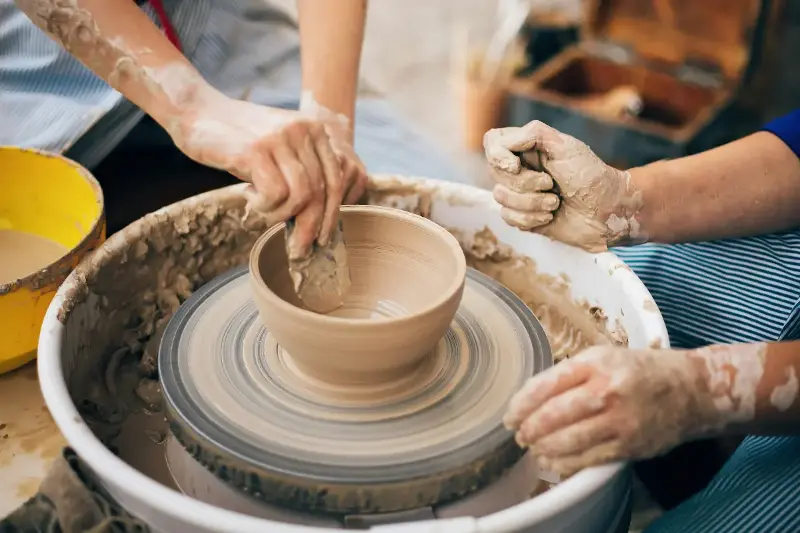
From the cool clay between your fingers to the rhythmic spinning of the wheel, pottery has long offered a path to creative expression. But today, therapists and wellness seekers are embracing the pottery wheel for more than just art—it’s becoming a surprising tool to help people feel grounded, whole, and profoundly calm. Known as Pottery Wheel Therapy, this beautiful practice weaves together tactile art and emotional healing, turning ancient tradition into a modern-day lifeline for those seeking personal peace.
What actually happens during pottery wheel sessions?
At its core, Pottery Wheel Therapy works by inviting participants to sit at a traditional wheel, center a lump of clay, and mold it into form. Surrounded by soothing whirs and earthy scents, individuals embark on a sensory journey where:
- The tactile sensation of clay provides immediate stress relief, encouraging relaxation through touch.
- The repetitive, mindful motions of shaping clay mimic meditation, anchoring attention to the present.
- Successes (and “failures”) at the wheel echo life’s lessons, fostering acceptance and resilience.
Often guided by trained art therapists, participants are encouraged not to fixate on making a ‘perfect pot’, but to explore their emotions, let go of stress, and embrace the creative process. No art experience is required—the focus is on feeling, not finesse.
Science backs the benefits—here’s how
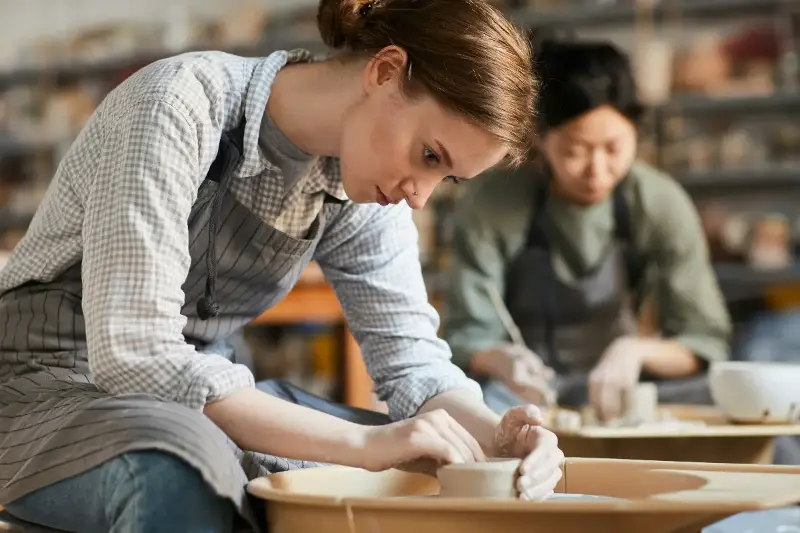
The calming effects of pottery aren’t just folklore. Studies on expressive arts therapies have shown significant improvements in emotional well-being for those who engage in tactile, hands-on activities like ceramics. Here’s why the wheel works wonders:
- Regulation of the Nervous System: The rhythmic movements and pressure applied during pottery can activate the parasympathetic nervous system—the body’s natural “calm-down” switch.
- Enhancement of Focus: The need for gentle yet steady attention pulls participants out of anxious thought loops and into a state of flow, where worries melt away.
- Embodied Mindfulness: Instead of talking about feelings, people can ‘work them out’ with their hands, translating emotions into tangible forms.
According to art therapist Dr. Cathy Malchiodi, “clay’s malleability makes it uniquely effective in helping people process and reshape their emotional experiences.”
Beyond therapy—culture, connection, and self-discovery
While many find solace in solitary sessions, the pottery wheel also connects us to global traditions and communal creativity. Pottery spans cultures, from Japanese raku to Ghanaian earthenware, each method carrying centuries of meaning. In group workshops, participants often share stories, laughter, or even silent camaraderie as they work side by side.
More than just making pots, the wheel offers:
- A contemplative space to reflect, refocus, and recharge.
- Opportunities to reconnect with ancient crafts celebrated across continents.
- A playful challenge that celebrates imperfection and patience—qualities often overlooked in our fast-paced world.
Is pottery wheel therapy right for you?
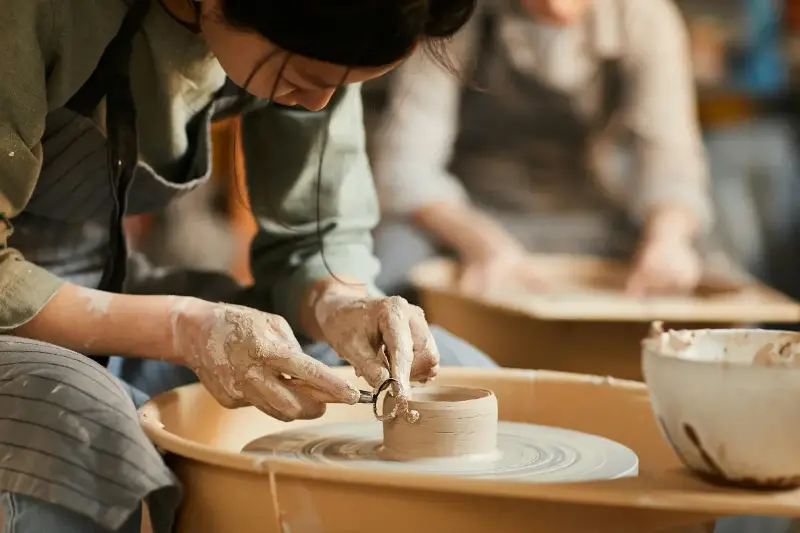
Curious if this hands-on artform could help ease your daily stress or spark new perspectives? Pottery Wheel Therapy is welcoming to all ages and backgrounds. Whether you’re looking to:
- Reduce anxiety or stress
- Reconnect with creativity long forgotten
- Process emotions in a safe, enjoyable way
…you’ll likely find the transforming power of the wheel both accessible and unexpectedly profound.
A gentle invitation to explore
There’s something elemental about shaping earth with your bare hands—its quiet wisdom speaks through each turn of the wheel. Pottery Wheel Therapy asks us to surrender, to mold not just clay but also our state of mind. As you consider ways to nurture calm and creativity, perhaps the timeless rhythm of the pottery wheel is waiting to ground you, too. What stories might your hands tell next?