


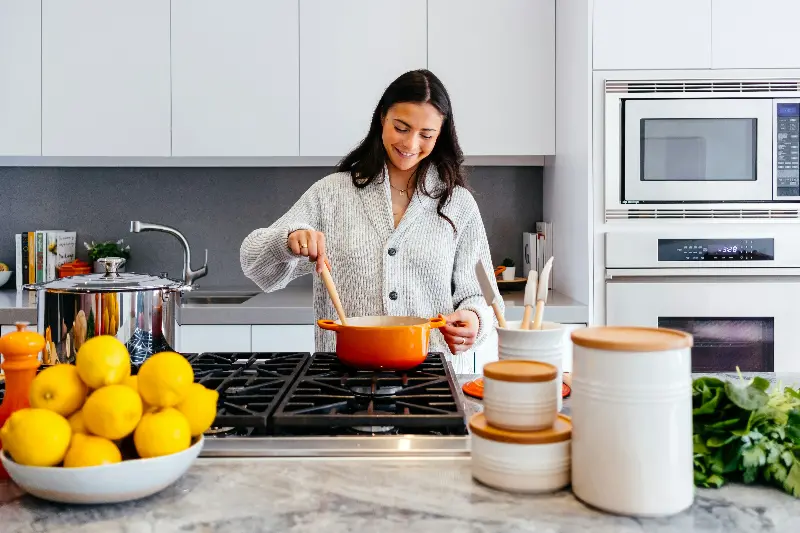
If you dream of taking your home-cooked meals from ordinary to unforgettable, you’re not alone. The joy of cooking at home is unmatched, but sometimes even a carefully followed recipe yields less-than-stellar results. Many culinary blunders go unnoticed until they ruin a dish's flavor or texture. Fortunately, uncovering these missteps is the first step in transforming your kitchen skills. Here are the top seven mistakes that quietly sabotage your meals and the easy hacks to fix them.
USING THE WRONG PAN OR POT
One of the silent saboteurs in home kitchens is using the wrong cookware. Each material serves a unique purpose:
- Nonstick: Perfect for eggs and pancakes, but poor at achieving a golden-brown sear on meat.
- Stainless Steel: Offers a superior crust for steak but is unforgiving with delicate fish.
- Cast Iron: Retains heat beautifully for roasting and slow-cooking.
A major related pitfall is overcrowding the pan. This causes food to steam rather than brown, leaving you with mushy vegetables and pale chicken. Always ensure your ingredients have ample "breathing room" to stay crisp and vibrant.
NEGLECTING TO SEASON PROPERLY
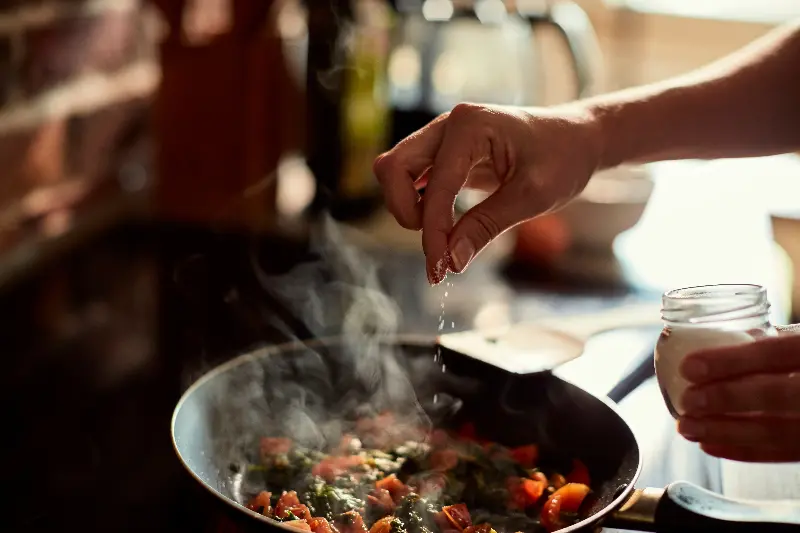
Many home cooks shy away from using enough salt. Proper seasoning is fundamental—it coaxes out natural flavors and turns bland ingredients into something crave-worthy.
- Taste as you go: Don't wait until the end to add salt.
- Pasta Water: It should be seasoned generously—many chefs say it should taste "like the sea."
- The Finishing Touch: A final squeeze of lemon or a splash of vinegar can transform heavy sauces by adding a necessary hit of acidity.
UNDERESTIMATING THE POWER OF PREP WORK
Skipping mise en place—the practice of organizing ingredients before you turn on the stove—is a classic mistake. Digging through the pantry for garlic while onions burn leads to unevenly cooked food.
Professional chefs swear by this for a reason: less chaos means more creative energy. Chop your vegetables, measure your spices, and prep your herbs ahead of time to ensure a smooth, enjoyable cooking experience.
MISMANAGING TEMPERATURE AND DONENESS
It’s easy to let something simmer too long or pull it off the heat too early. Overcooked vegetables lose color and nutrients, while undercooked meat can be unappetizing.
- Use a Thermometer: This is the only way to be 100% sure. Chicken should reach 165°F, while a medium-rare steak is best at 130°F.
- Trust Your Senses: Listen for the gentle sizzle of onions caramelizing and watch for the "vibrant" color change in blanched greens.
IGNORING INGREDIENT QUALITY
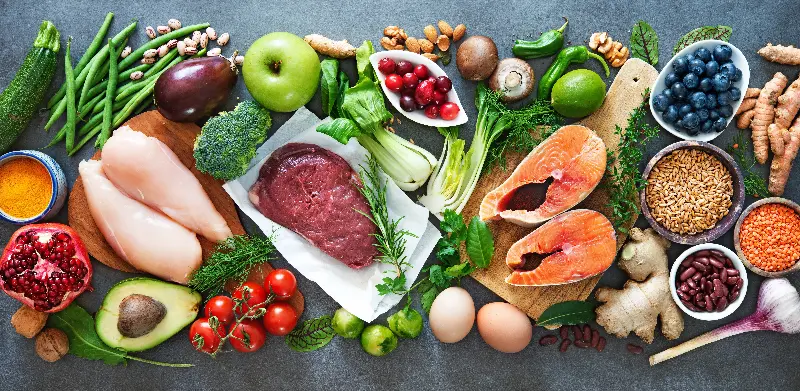
No amount of technique can mask inferior ingredients. Using fresh, high-quality produce and pantry staples is the simplest way to boost your results. While canned tomatoes are fine for a winter sauce, nothing beats a ripe, local tomato for a summer salad. Look for vibrant color, firm texture, and inviting aromas when shopping.
FAILING TO LET MEAT REST
It’s tempting to slice into a roast chicken right after cooking, but this rush sacrifices juiciness. Resting allows juices to redistribute, keeping the meat moist and tender.
- Small Cuts: Let steak or chicken rest for 5 minutes.
- Large Roasts: Aim for 15–20 minutes, loosely tented with foil.
SKIPPING THE FINAL FLOURISH
Finishing touches turn simple homemade dishes into restaurant-worthy meals. A swirl of extra virgin olive oil, a sprinkling of flaky sea salt, or a handful of fresh herbs adds color and complexity. Consider texture as well—toasted nuts or crispy shallots provide a delightful crunch that signals care and confidence.