


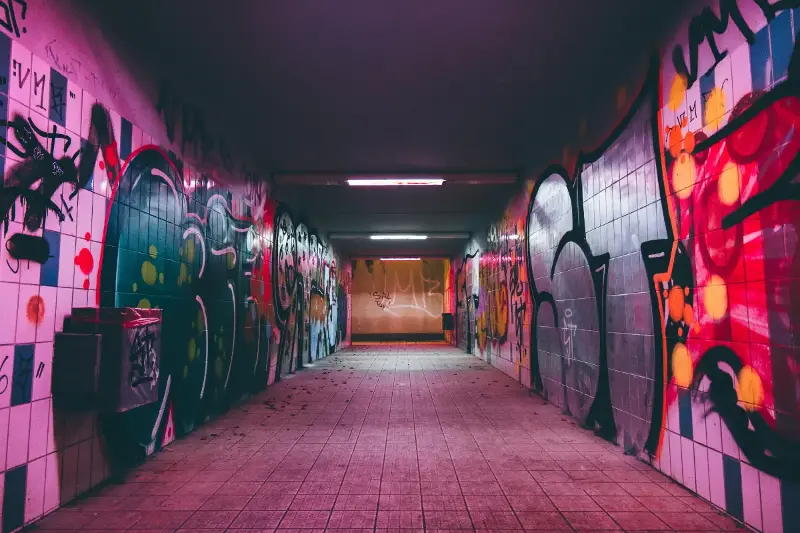
Spray cans hiss in the night, colors bloom on bare concrete, and yet, what once seemed like mere vandalism has become the beating pulse of city culture. Graffiti—once banished to alley shadows—now conquers walls from Berlin to Buenos Aires, giving urban landscapes a face, a voice, and yes, a measure of warmth.
Beyond the spray: Why cities need a bold voice
While critics once dismissed graffiti as rebellious scribbling, cities have learned to see these public murals and tags as something more—a vital expression of local identity and protest. The world’s metropolises pulse with elaborate murals containing social commentary, humor, and even political messages. What might seem chaotic at first glance is often rich with nuance. Graffiti speaks a language understood by many: inclusion, dissent, pride, and hope.
Consider these remarkable transformations:
- In São Paulo, vibrant street art transformed the previously drab Minhocão viaduct into a celebrated open-air gallery.
- Melbourne’s laneways became a global tourist draw after the city acknowledged the value of its street art scene.
- New York’s 5Pointz, before its demolition, drew international artists and became an epicenter for hip-hop and artistic innovation.
A canvas for the people: Community, belonging, and storytelling
Marking a wall is more than an act of rebellion—it's a statement that echoes the stories of those often unheard. Graffiti evolved from the underground subway tunnels of 1970s New York, where disenfranchised youth used public spaces as their canvas, lending a voice to communities overlooked by mainstream culture. Today’s legal street art festivals invite global artists to revive forgotten neighborhoods with monumental works, fostering pride and a sense of belonging.
Graffiti often bridges divides:
- It brings communities together through collaborative mural projects.
- Local histories and heroes are honored on the walls of schools, apartments, and underpasses.
- It provides emerging artists with a stage outside traditional galleries—art for everyone, not just a select few.
More than just paint: The science and sentiment of urban warmth
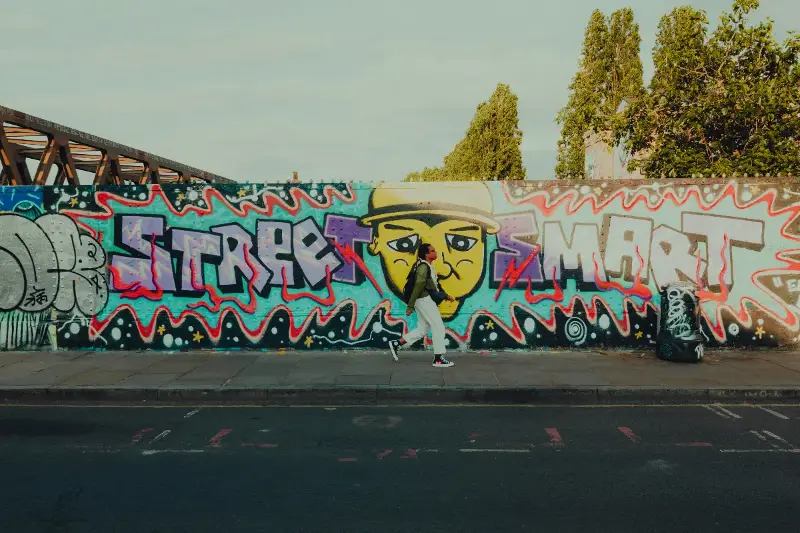
It’s not just the aesthetics. Studies show that colorful public art can reduce crime and vandalism by creating an environment where residents feel more invested. Warmth isn’t just the sun on painted concrete—it’s a sense of ownership and care. In Philadelphia, the Mural Arts Program turned vacant lots into message boards of hope, reducing neighborhood blight and boosting local economies.
Key graffiti facts to consider:
- The world's longest graffiti mural stretches over 7 kilometers in Berlin—an enduring symbol of reunification and freedom.
- Internationally praised artist Banksy uses his stencil art to spark debate on everything from consumerism to war, showing how graffiti remains culturally relevant and politically charged.
When the lines blur: The evolving debate over legality and legacy
Some call it defacement; others, democratized art. Cities now face a fascinating puzzle: regulate graffiti to preserve public spaces, or embrace it to nourish cultural expression? Many municipalities choose both, carving out legal zones for artists while preserving iconic murals. The result: a richer, livelier cityscape, reflective of the real, messy voices that shape urban life.
Where will the next wall speak?
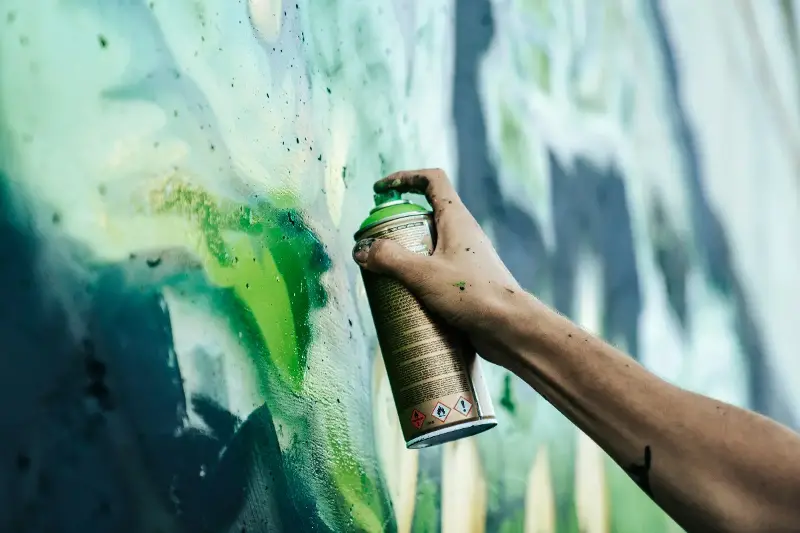
In every splash of color and hurried scrawl lies a question: who gets to tell the story of a city? From rebellious taggers to celebrated muralists, graffiti artists make their mark not only on concrete, but on the collective spirit of the places we call home. Where some see chaos, others see an invitation—to listen, to reflect, to join the ongoing dialogue scrawled boldly across the world’s walls. What might you discover if you followed the colors to their source? The answer might surprise you, or even inspire your own story.